

Tehran: The Latest Architecture and News
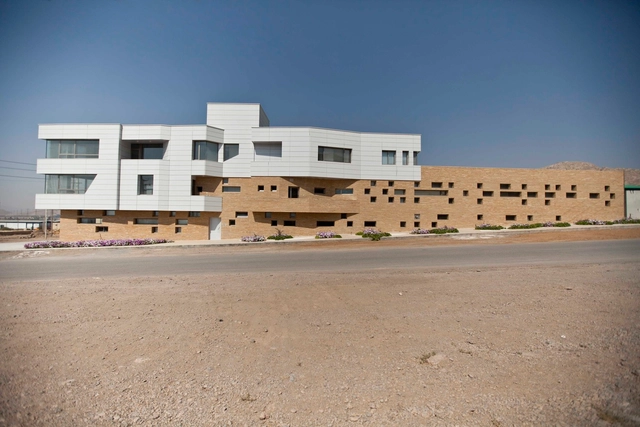
DGS-Co Office Building / Ayeneh Office


https://www.archdaily.com/285938/dgs-co-office-building-iranian-architectural-atelierJavier Gaete
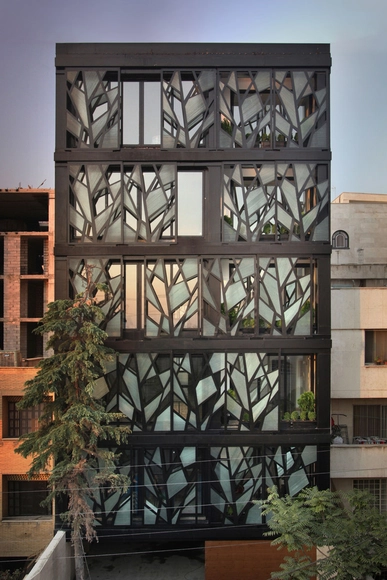
Danial / Reza Sayadian and Sara Kalantary


-
Architects: Reza Sayadian and Sara Kalantary
- Area: 1344 m²
- Year: 2012
https://www.archdaily.com/285131/danial-reza-sayadian-sara-kalantaryJonathan Alarcón
Tehran Stock Exchange Competition Entry / Hans Hollein & Partner

Designed by Hans Hollein & Partner, the Tehran Stock Exchange aims to become a civic symbol that not only accommodates the stock exchange functions but also repents the practice in its entirety. As an architectural intervention, The buildings’ architectural nature allows it to become an identifiable structure within the urban fabric. The rectangular form of the office tower follows the homogenous surroundings, but the TSE´s façade is an innovative merger of two building envelope typologies and a strong contrast to any building in the vicinity: The window wall and the ceramic brick façade. More images and architects’ description after the break.
https://www.archdaily.com/260941/tehran-stock-exchange-hans-hollein-partnerAlison Furuto
Army Residential Complex / Hootanpei

Located in a land about 80 hectares in Tehran, the design for the Army Residential Complex by Hootanpei was chosen in an architectural competition. With the contractor’s demand of 28-30 towers with 20-30 floors, the most important factor of design was minimum interference between pathways and driving ways and also suitable green places to create comfort and welfare for residents. More images and architects’ description after the break.
https://www.archdaily.com/261900/army-residential-complex-hootanpeiAlison Furuto
P.S.P Office Building / Olgooco
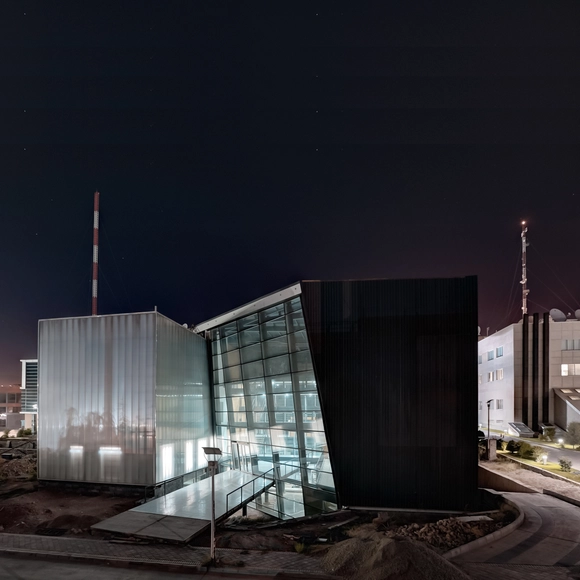

https://www.archdaily.com/261802/p-s-p-office-building-olgoo-officeJavier Gaete
Ajoodaniyeh Tower / Kamvari Architects

The proposal for the Ajoodaniyeh Tower by Kamvari Architects seeks to use traditional design within Iran as a means of addressing performance criteria within a high-rise. With the intention of analyzing unique aspects of traditional architecture specific to the region, they combine these with advanced design methods to produce a novel proposal for the site and our client. More images and architects’ description after the break.
https://www.archdaily.com/245860/ajoodaniyeh-tower-kamvari-architectsAlison Furuto
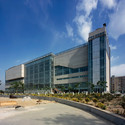
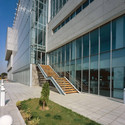
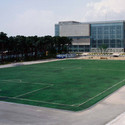
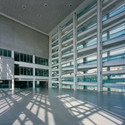
Cultural - Sport Complex For Disabled / Experimental Branch of Architecture


-
Architects: Experimental Branch of Architecture
- Area: 18000 m²
- Year: 2011
https://www.archdaily.com/235723/cultural-sport-complex-for-disabled-experimental-branch-of-architectureVictoria King
Tehran Tower / CAAT Studio

To combat the harsh reality of the extreme air pollution caused by urban sprawl in Tehran, CAAT Studio proposed building up, locating massive skyscrapers within the city to house masses of residents centrally. Demolishing unimportant old buildings will create space both for the two legs of the large tower, which is connected above ground to create a wide building expanse, and for green space that will make the urban expanse as a whole more livable. More images and architects’ description after the break.
https://www.archdaily.com/219946/tehran-tower-caat-architecture-studioAlison Furuto
Milad Complex Proposal / ContemporARchitectURban Designers Group

The young architectural studio, ContemporARchitectURban Designer’s Group, was recently awarded 4th prize in the international competition to design a huge 300,000 square meter complex in Tehran. With the Milad telecommunication tower being the tallest tower in Iran, this competition focused on the second phase of Milad complex. The project program includes commercial, office and hotel spaces near the tower. More images and architects’ description after the break.
https://www.archdaily.com/212767/milad-complex-proposal-contemporarchitecturban-designers-groupAlison Furuto
Media Complex / CAAT Studio

CAAT Studio shared with us their design for a media complex located in the main cultural zone of Tehran. Their goal is to show that the human itself, acts as a media in the project. During the day, the presence of humans can make the project alive by moving towards different parts of it such as amphitheatre on the roof and other spaces. More images and architects’ description after the break.
https://www.archdaily.com/177755/media-complex-caat-studio-architectureAlison Furuto
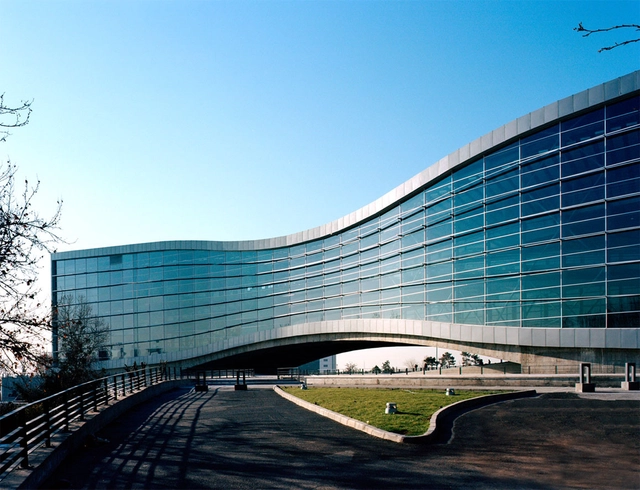
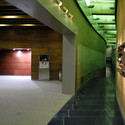
Mellat Park Cineplex / Fluid Motion Architects


-
Architects: Fluid Motion Architects
: Fluid Motion Architects - Reza Daneshmir, Catherine Spiridonoff - Area: 6000 m²
- Year: 2008
https://www.archdaily.com/115928/mellat-park-cineplex-fluid-motion-architectsAndrew Rosenberg
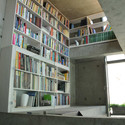
2 Offices, 2 Brothers / Arsh Design Group




-
Architects: Arsh Design Group
: Arsh Design Group / Rambod Eilkhani, Pantea Eslami, Nashid Nabian, Alireza Sherafati - Area: 510 m²
- Year: 2010
https://www.archdaily.com/99437/2-offices-2-brothers-arsh-design-groupAndrew Rosenberg
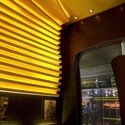
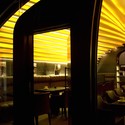
M Coffee / Hooman Balazadeh


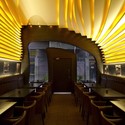

https://www.archdaily.com/99095/m-coffee-hooman-balazadehAndrew Rosenberg
Amaj Darman Project / KRDS (Kourosh Rafiey Design Studio)
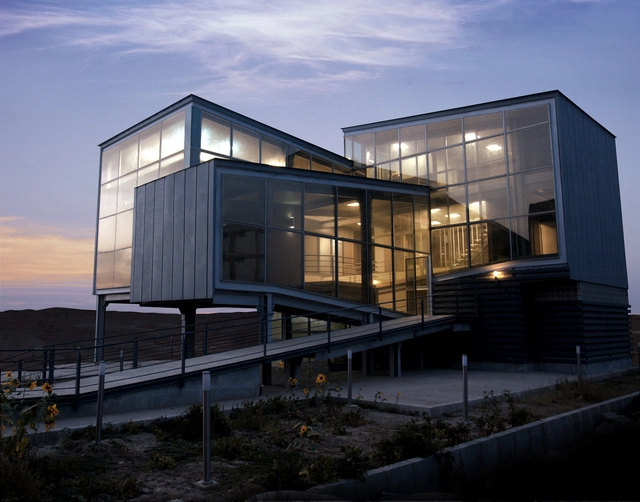
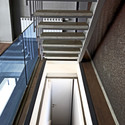
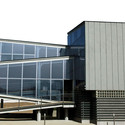

https://www.archdaily.com/96559/amaj-darman-project-kourosh-rafieyAndrew Rosenberg
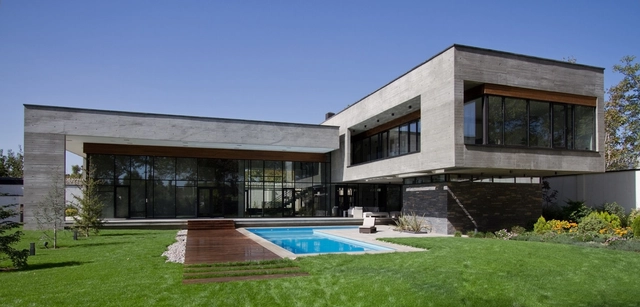
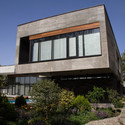
Villa Kiani / Makan Rahmanian and Kamran Heirati

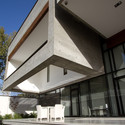
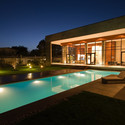

-
Architects: Makan Rahmanian and Kamran Heirati
- Area: 500 m²
- Year: 2010
https://www.archdaily.com/94717/villa-kiani-makan-rahmanian-and-kamran-heiratiKelly Minner
AA Visiting School in Tehran and Muscat results

In the past, we’ve told you about the AA Visiting School, a worldwide network organized by the Architectural Association School of Architecture in collaboration with each country they visit. They have conducted events and workshops all over the world including Beijing, Madrid, San Francisco, Santiago, Sao Paulo and Singapore among others.
Some months ago, they continued with their events in Tehran, Iran and Muscat, Oman. In recent years Iran has emerged as a cultural and economic hub within the Middle East; with its illustrious history in architecture it offers a fertile ground for research and investigation into a number of topics ranging from manufacturing to urbanism. Tehran, its capital city, has become a major laboratory for contemporary cultural production in terms of architecture and has recently undergone massive changes to its infrastructure and urban boundaries to cater for expansion.
Oman has been careful and cautions in its expansion and approach to development, with recent events in the region it is now set to profit with massive increase in tourism. With the existence of a void in architectural thinking and identity in Oman it will be incredibly interesting to see how its will approach issues relating to architecture and urbanism. You can see some photos of the workshop after the break.
https://www.archdaily.com/77736/aa-visiting-school-in-tehran-and-muscat-resultsSebastian Jordana
Commercial-Office Building / RYRA Studio
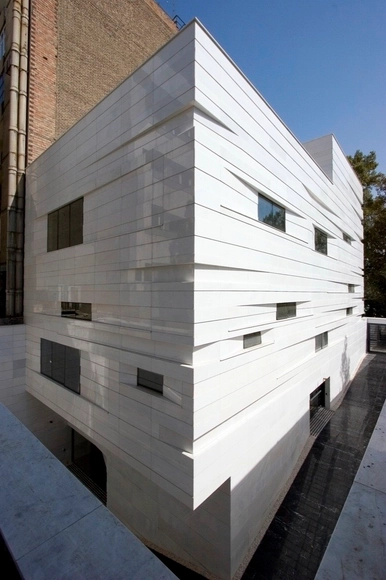
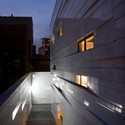
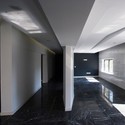
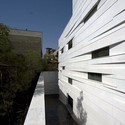

https://www.archdaily.com/65534/commercial-office-building-abbas-riahi-fard-farinaz-razavi-nikooNico Saieh
Checker Box Office Complex / Arsh Design Group
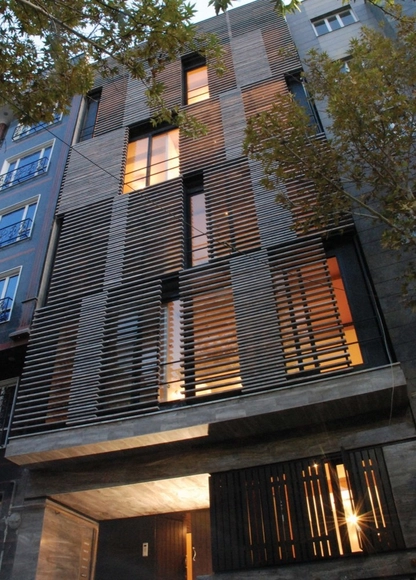

https://www.archdaily.com/59291/checker-box-office-complex-arsh-design-groupNico Saieh