This article is part of "Thresholds", a special edition printed newspaper by Cobe Notes x ArchDaily.
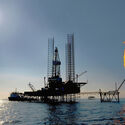
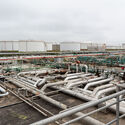
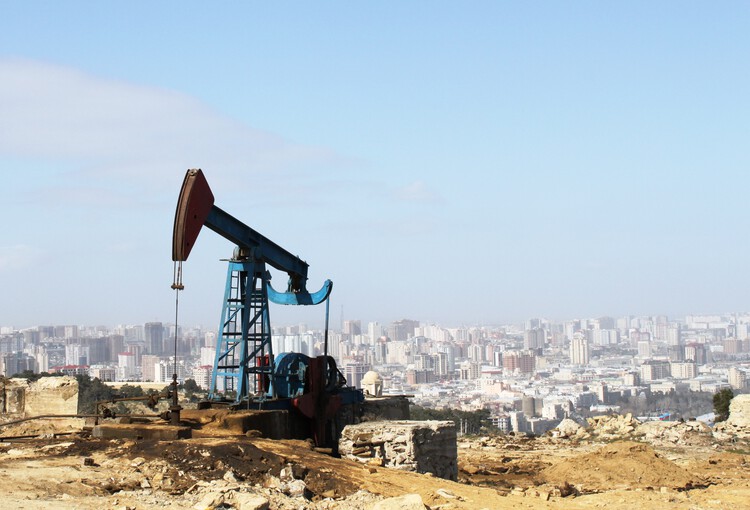
Beneath the ground lies a material that has quietly shaped the architecture of the modern world. Petroleum is rarely discussed within architectural discourse, yet the extraction, circulation, and consumption of oil have profoundly reorganized the spatial logic of territories. Pipelines, refineries, drilling platforms, ports, highways, and petrochemical complexes form a vast infrastructural landscape that sustains contemporary life, composing a dispersed architecture of energy.
Throughout the twentieth and twenty-first centuries, oil became the material foundation of industrial society. It fueled transportation, powered factories, and supported the growth of cities whose spatial organisation depended on continuous energy flows. Yet the infrastructures that enable these flows rarely become objects of architectural inquiry. Attention remains largely directed toward form, typology, or urban density, while the material systems that sustain these environments tend to remain displaced within the discipline.