1. ArchDaily
  2. SolarLab

SolarLab: The Latest Architecture and News

What Happens When Solar Is Treated as a Building Material?

 | In Collaboration

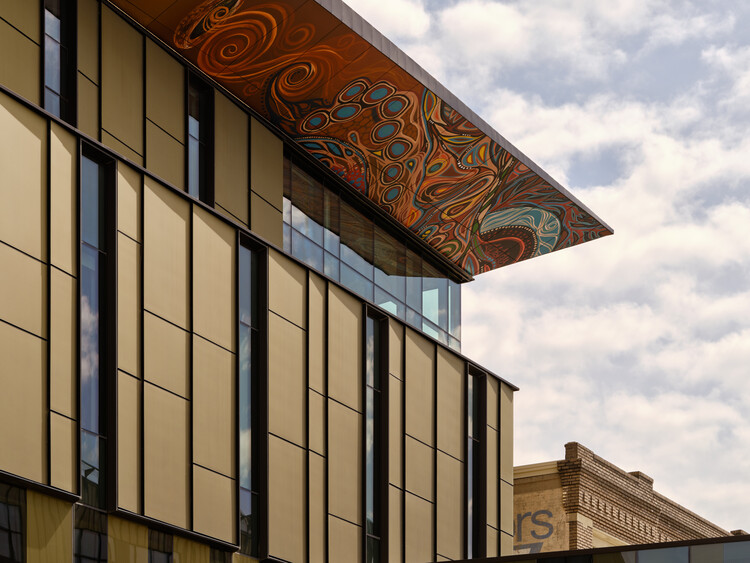
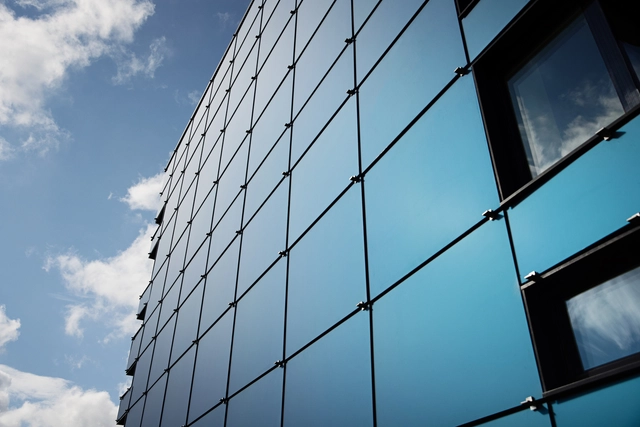
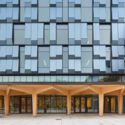
As environmental accountability becomes embedded in design culture, the building envelope is being reconsidered not just as a protective skin, but as an active energy-producing surface. Treating solar technology as a material rather than an attachment reshapes how architecture is conceived and detailed. Color, texture, rhythm, and assembly become inseparable from performance. Building-Integrated Photovoltaics (BIPV) operate within this expanded definition of materiality. By integrating solar technology into façades and rainscreens from the earliest project stages, architects can reduce redundancy, align energy goals with design intent, and rethink how envelopes are composed. Yet translating this ambition into buildable systems requires technical precision and construction intelligence.
What Happens When Solar Is Treated as a Building Material? - Imagen 1 de 4What Happens When Solar Is Treated as a Building Material? - Imagen 2 de 4What Happens When Solar Is Treated as a Building Material? - Imagen 3 de 4What Happens When Solar Is Treated as a Building Material? - Imagen 4 de 4What Happens When Solar Is Treated as a Building Material? - More Images+ 14

Renovating For the Future: Sustainable and Resilient Solar Facades

 | Sponsored Content

Renovations involve design processes that transform, refurbish and enhance architectural elements. From gentle aesthetic changes to structural additions, building renovation can improve functionality, safety, and energy efficiency. By integrating new technologies, contemporary strategies are giving new life to existing buildings, propelling already-built projects into the future.

Through their energy-efficient, durable, and bespoke solutions, SolarLab leverages architectural heritage by introducing custom energy-producing facades to existing buildings. By seamlessly combining technologies with design freedom, these solar facades adapt to each project’s style while acting as rain screens with a long, maintenance-free service life. Moreover, by producing sustainable electricity, integrating this system into refurbishment projects contributes to the building’s day-to-day operations, effectively reducing its environmental impact.