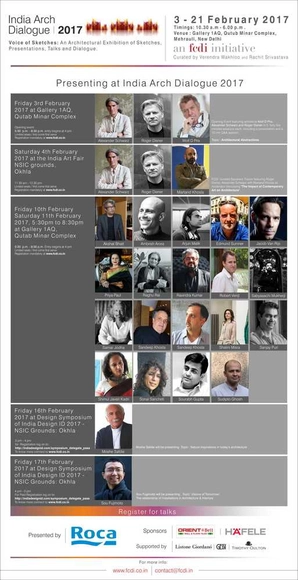
India Arch Dialogue 2017 is an initiative of the FCML Design Initiative that curates an exhibition of architectural sketches along with a series of talks and conversations with some of the best architectural and design minds from India and abroad. The program extends almost all through the month of February (between the 3rd and the 21st) at the Gallery 1AQ, Qutub Minar Complex, Mehrauli, New Delhi).
Designing and building a project is a challenge in itself. However, once the project is complete there are also challenges in expressing the project so that it can be understood by a new audience. This is especially true in digital media, where online readers don't necessarily spend the same time reading an article as in print media. Drawings and all new forms of visual representation – such as animated Gifs – play an important role in the project's understanding.
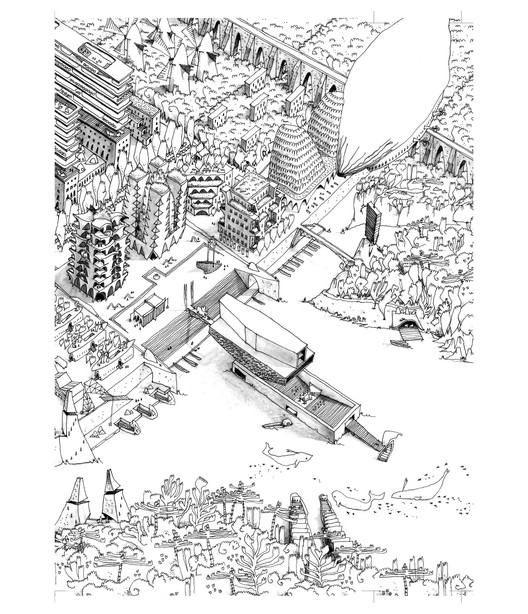
At ArchDaily we push ourselves as editors to look for the best drawings from the architects that work with us. We are constantly looking to get the best out of the projects we receive to share with the world and deliver knowledge and inspiration to millions of people. The drawings we have chosen are not only visually entertaining but they serve as a way of educating and learning fundamental architectural representations.
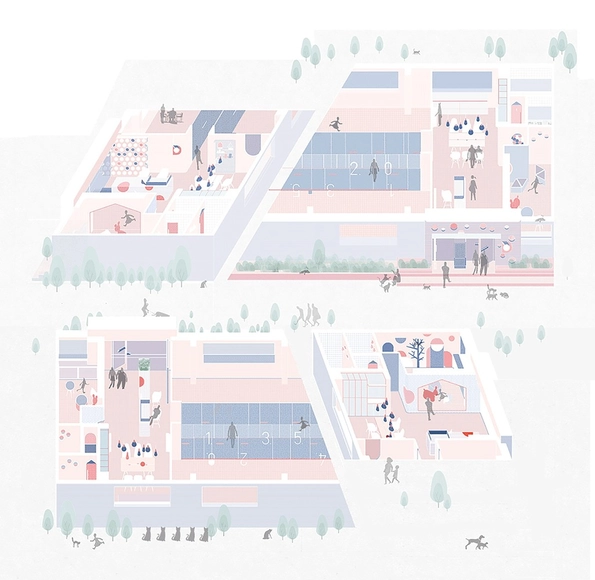
Regardless if they are digital or hand-drawn, all the architectural drawings we have selected this year have a sensitive expression, whether it be artistic, technical or conceptual, and they all aim to express and explain the project using simplicity, detail, textures, 3D and color as main tools.
This year we want to highlight a selection of 90 drawings arranged under eight categories: Architectural Drawings, Axonometrics, Context, Diagrams, Sketches, Animated Gifs, Details and Other Techniques.
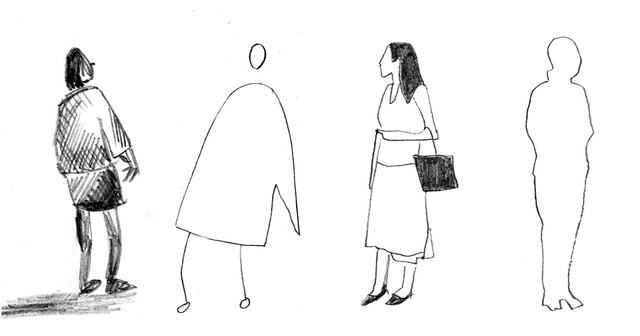
Sketches of scale figures can be seen as an architectural signature. These miniature stand-ins for human life not only bring scale and understanding to a sketch, they also offer a glimpse into the architect’s personality. Some designers automatically go for realistic, anatomically correct people, while others have more abstract interpretations of the human body. But what exactly do these predilections say about their illustrator? Read on to find out:
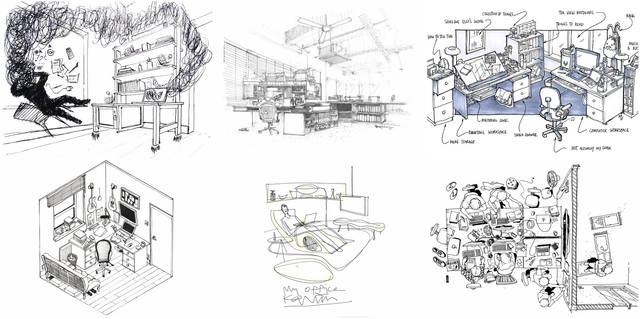
Last month we put out a call to our readers to show us where they work. It was a pleasure to receive so many submissions, each showing the particular talent and creativity--and, the incredible geographical scope--of the ArchDaily community. These are our favorites (in no particular order). Enjoy and submit your own drawing in the comments.
https://www.archdaily.com/796178/42-sketches-drawings-and-diagrams-of-desks-and-architecture-workspacesAD Editorial Team
Sketches are analog tools of representation, where the drawings' imperfections come from the artist, skewed by their way of seeing the world. Academia, especially in architecture, often calls for quick drawings to demonstrate ideas that words can’t describe, and constant practice on everyday items like napkins, the backs of notebooks or loose sheets of paper preserves ideas and makes way for the use of journals. Journals can be used to remember design processes or journeys and for learning. I have included a selection of my drawings from trips at the end of this article, in order to encourage readers to practice this method.
Expressing an idea is something anyone can do, whether it's through drawings, words or creating figures. The hands are often used as a mediator between thought and reality: "... drawing is where thought has a direct relationship with action, with your hand, with the experience of your body."
We believe good projects should be able to express and explain themselves. Architectural representation plays a fundamental role in how a project is perceived by the audience, which is why today ArchDaily is recognizing the most outstanding, original and self explanatory drawings of the year.
The selected drawings cover the diverse range of different techniques used in architectural representation today, from hand drawing images to perfectly detailed axonometrics and animated GIFs - but one thing they all have in common is the deep insights they provide into the appearance, construction or concept of the buildings they represent.
https://www.archdaily.com/779344/the-best-of-architecture-drawingsArchDaily Team
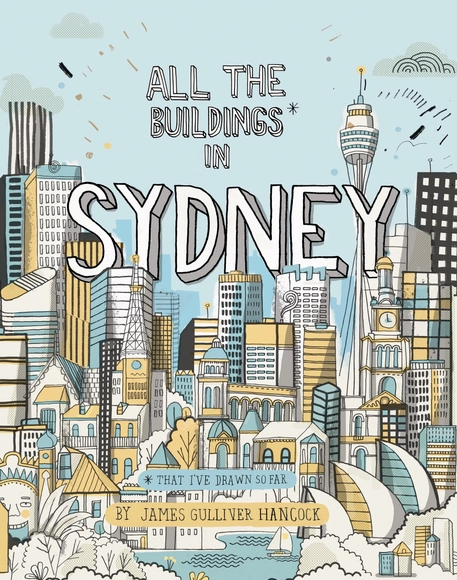
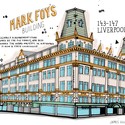
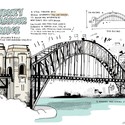
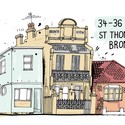
Packed full of idiosyncratically meticulous and colorful illustrations, the book provides a whimsical account of Sydney's architecture and history. From icons such as Utzon'sSydney Opera House to lesser known gems like Mark Foy's building opposite Hyde Park, to the terrace houses of inner city suburbs, All the Buildings in Sydney presents each building with care, detail, and an abundance of charm.
See more images from All the Buildings in Sydney, after the break…
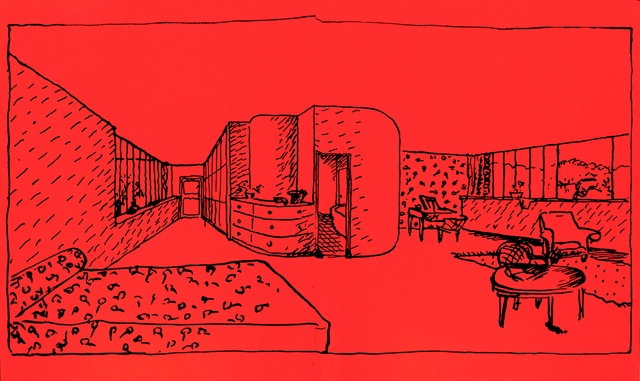
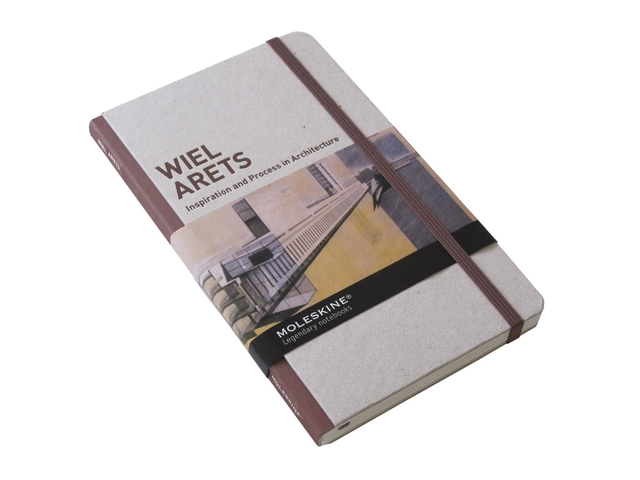
From the Publisher. This book gathers together projects and theoretical reflections immortalized through exacting, oversized perspective views, snapshots, photographic sequences and architectural ideograms in felt pen. This is how architect and theorist Wiel Arets ‘freezes' his thoughts, fixing nascent ideas onto paper. The book opens with an essay by Kenneth Frampton, while previously unpublished hand sketches and coloured pencil perspectives fill the pages.
Wiel Arets, former director of Berlage Institute and currently Dean of the Illinois Institute of Technology College of Architecture, is known for his academic progressive research and hybrid design solutions. He has taught in many universities and designed numerous important buildings, including the Academy of Art and Architecture in Maastricht and the university library of Utrecht.
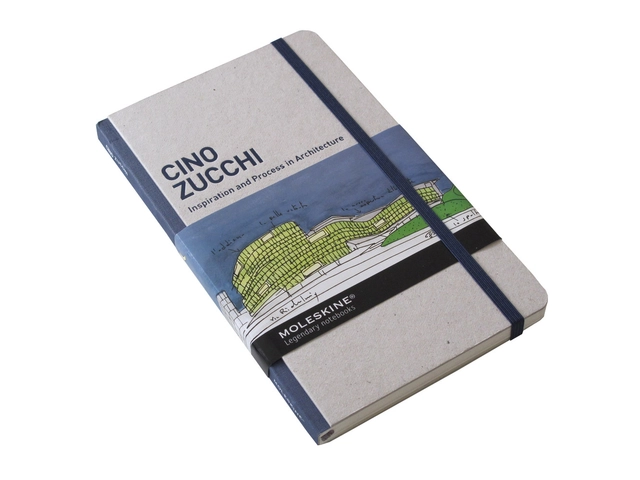
From the Publisher.This book, collecting sketches, maquettes, project drawings and notional references from architecture to science or music intermingled in graphic narratives, composes a highly autobiographical and layered manifesto. Theoretical ideas and architectural practice coexist systematically, tracing out Cino Zucchi's scientific and personal profile.
Cino Zucchi is Chair Professor of Architectural and Urban Design at the Politecnico di Milano and Visiting Professor at Harvard University. He's well known for his projects for the residential buildings in the former Junghans area of Venice and those of Nuovo Portello in Milan, and for the extension of the National Automobile Museum in Turin. Zucchi's various international awards include the Special Mention at the 13th Architecture Biennale (2012), the International Award Architecture in Stone (2009), the Piranesi Award (2001).
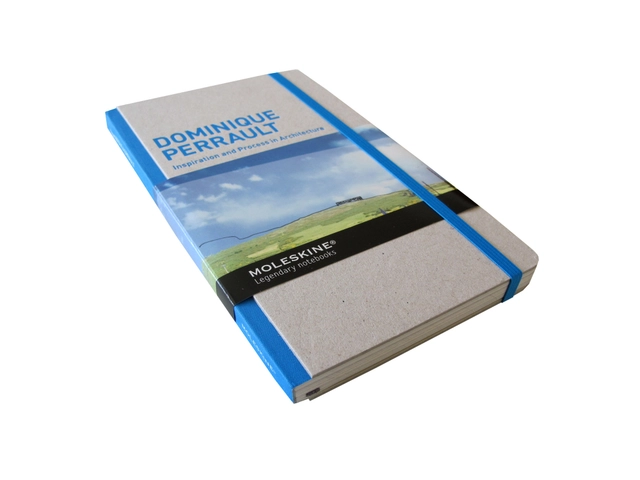
From the Publisher. A selection of materials produced by DPA Studio for two international contests for museums, showing how unfinished works can also become remarkable experiments. Sketches, maquettes, notes and diagrams narrate these endeavors.
Dominique PERRAULT, the author of the Bibliothèque Nationale de France in Paris and of the Ewha Womans University in Seoul, received many prestigious prizes and awards including: "Grande Médaille d'or d'Architecture" in 2010, "Seoul Metropolitan Architecture Award" for EWHA Womans University in Korea, "World Architecture Award" in 2002, "Mies van der Rohe prize" in 1997, "French national Grand Prize for Architecture" in 1993.
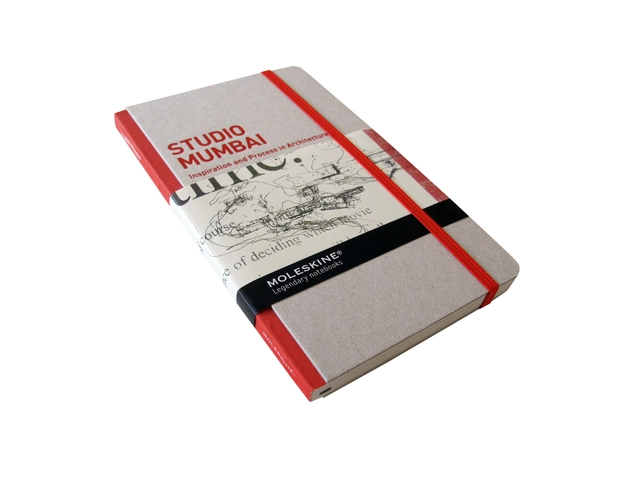
From the Publisher. This book shows the development of Jain's personal mind-process as well as the collective dialogue through which each project evolves. Dialogues unfolded through study sketches made by both Bijoy Jain and the carpenters, as well photographs taken during journeys used as study and inspiration, showcasing a critical part of their design process. Studio Mumbai consists on a group of Indian architects and craftsmen, all resident artisans of Studio Mumbai, headed by Bijoy Jain, one of India's foremost architects.
Studio Mumbai's awards and honours include the Global Award for Sustainable Architecture from the Institute Français d'Architecture (2008), a Special Mention at the 12th Architecture Biennale (2010), the BSI Swiss Architectural Award (2012).
ALL THE BUILDINGS IN NEW YORK is a blog, a book, and, above all, illustrator James Gulliver Hancock's love letter to New York City.
As his website reveals, Hancock "panics that he may not be able to draw everything in the world… at least once." Since Kindergarten, he's been obsessed with drawing in meticulous detail (or, as he tells the Atlantic Cities, with a mix of "technicality and whimsy"), a characteristic this native Australian brought with him when he moved to Brooklyn, New York.
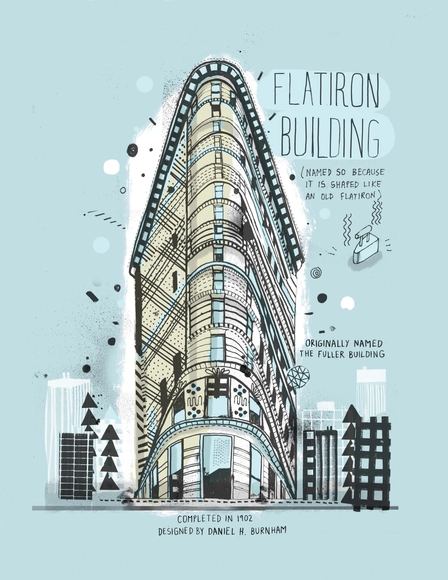
What began as a blog, All The Buildings In New York, to keep track of his many sketches of New York's architecture (particularly the brownstones), is now a book (All The Buildings in New York: That I've Drawn So Far - which includes about 500 drawings). Organized by neighborhoods, it features New York architectural icons from the past and present, including the Chrysler Building, the Flatiron, Apple's 5th Avenue store, as well as the everyday buildings that make up New York's unique cityscape.
See more images from All the Buildings in New York, after the break...