1. ArchDaily
  2. Sensations

Sensations: The Latest Architecture and News

The Bathroom, Reawakened: Contemporary Design Concepts for a Sensory Experience

 | Sponsored Content

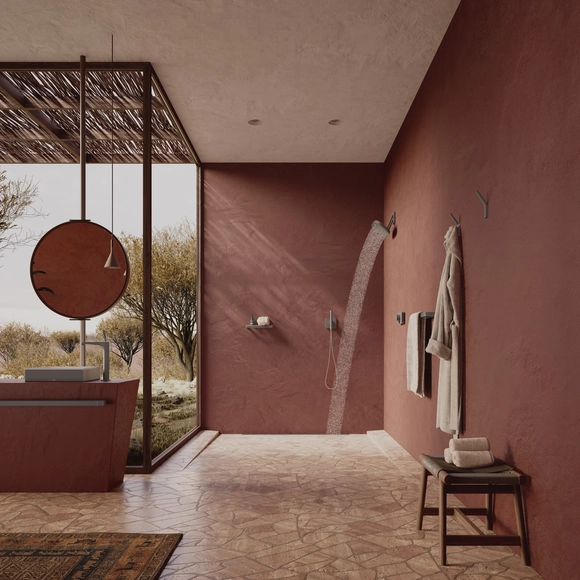
Water is a catalyst for sensory experiences: it manifests through direct contact when touched, through its presence when heard or seen reflected, and through its transformations—whether by temperature, from cold to heat, or by state, from liquid to vapor. It is a key element in designing for the senses, capable of evoking physically and emotionally perceived atmospheres. As Juhani Pallasmaa suggests, architecture does not address the eye alone but involves the whole body and sensory memory. The bathroom, in particular, concentrates much of the physical and emotional experience associated with water, opening up possibilities for creating environments that intensify that sensory connection. Consequently, the question arises: what elements or concepts should shape this space so that the shower experience escapes the ordinary?
Designing the Senses: How Does Synesthesia Shape Our Built World?

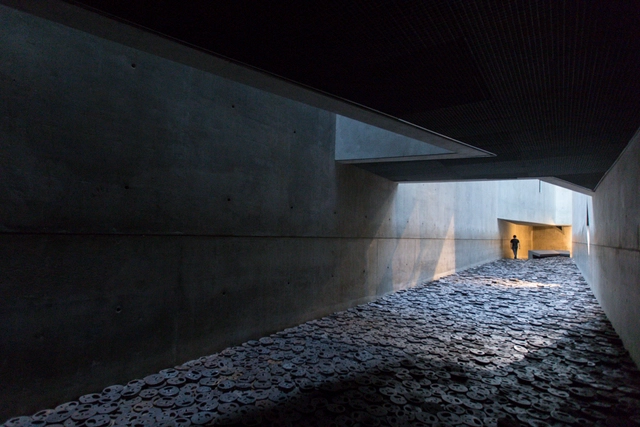
The Jewish Museum in Berlin, designed by Daniel Libeskind, employs synesthesia to evoke feelings of disorientation, loss, and memory through fragmented geometry, contrasting lighting, and material choices. Inspired by a shattered Star of David, the building guides visitors through slanted and narrow corridors, creating instability and discomfort. Light, either filtered through slits or almost entirely absent in certain areas, reinforces the oppressive atmosphere. The raw concrete, with its cold and rigid texture, intensifies this experience, while the void resonates with echoes and silence. In the Shalekhet (Fallen Leaves) space, metal plates shaped like faces emit unsettling sounds when stepped on, creating a disturbing auditory experience. The museum transcends its function as an exhibition space and becomes an immersive architectural experience, where light, sound, texture, and form combine to convey the pain and memory of the Holocaust.