Constrained by a lack of transportation and resources, vernacular architecture has started adapting the distinct strategy of utilizing local materials. By analyzing projects which have successfully incorporated these features into their design, this article gives an overview of how traditional materials, such as tiles, metal, rocks, bamboo, wooden sticks, timber, rammed earth and bricks are being transformed through vernacular architecture in China.
Whether you're looking for an upgrade or to replace broken pieces for floors or walls, tiles are always an effective and readily available option for any project that you have in mind. With their relatively low production cost, tiles are rarely reused or recycled and, if they are, it's usually for their original function.
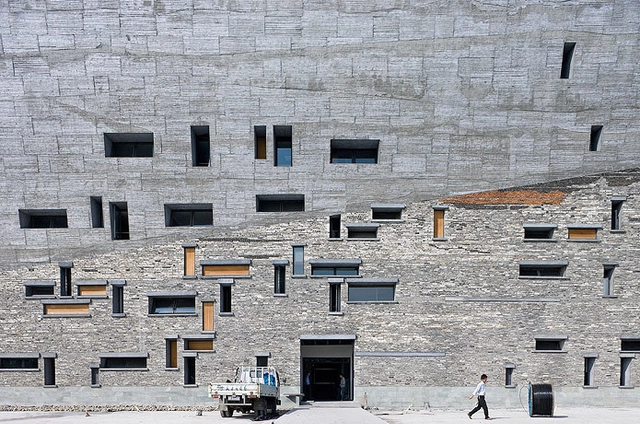
Amateur Architecture Studio, Ningbo History Museum, 2008. . Image Courtesy of Louisiana
Over the past two centuries, cities in China have multiplied and expanded on a large scale, under accelerated urbanization. Mass demolition of the old city fabric, occurring everywhere, is leaving industrial debris and fragmented cultural artifacts buried forever, under shiny new skyscrapers. As old Chinese cities are collapsing and new urban centers are outspreading, a part of the city was lost, the old demolished landscape. Wang Shu and Lu Wenyu, the first Chinese citizens to win the Pritzker Architecture Prize, responded to this past-present relation by working with recycled materials and traditional know-how. In the following, we explore some of this couple's renowned works such as Ningbo History Museum, Ningbo (2008), Xiangshan Campus of China Academy of Art, Hangzhou (2004), and Ningbo Contemporary Art Museum (2005), to examine his humanistic approach to the city.
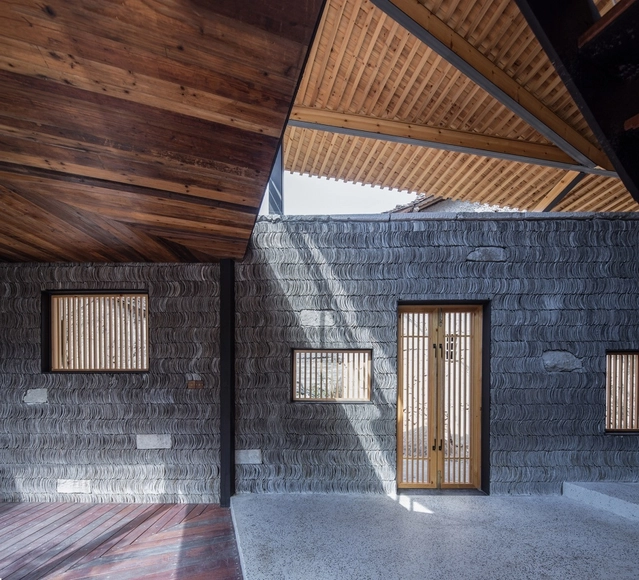

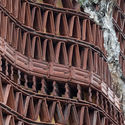


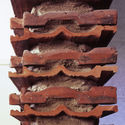
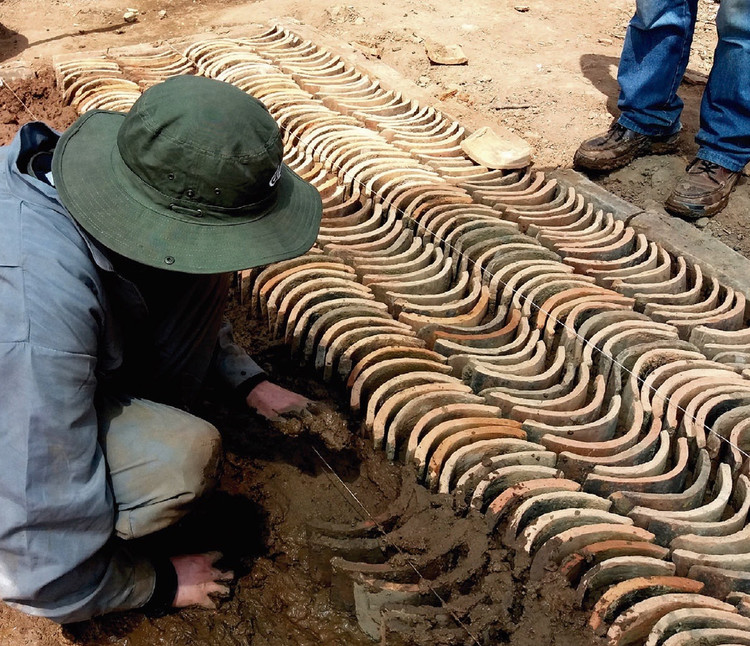
.jpg?1530540617&format=webp&width=640&height=580)
.jpg?1530540807 "Building Envrionment. Image © Yue Shen")
.jpg?1530541150 "Small stone path and wooden fence dining area. Image © Kun Zhang")
.jpg?1530540477 "Overhead dining area. Image © Bo Gao")
.jpg?1530541102 "North side backyard. Image © Yue Shen")
.jpg?1530540617)