1. ArchDaily
  2. Responsive Environments

Responsive Environments: The Latest Architecture and News

When Mobility Becomes the Ground: Architecture, Adaptation, and the Search for Continuity

Audio available

Few conditions have shaped contemporary architectural discourse as profoundly as uncertainty. Across international biennials, exhibitions, and forums, architecture increasingly imagines its relationship to the world through flexibility, reversibility, and responsiveness—qualities intended to engage with climate emergencies, political instability, and unprecedented human mobility. Buildings are designed to transform, infrastructures to evolve, and cities to accommodate conditions that appear increasingly unpredictable. This emphasis on agility has expanded the discipline's capacity to engage with environmental change, offering valuable strategies for a world in constant transformation.

Yet this evolution points to a deeper shift in how architecture mediates the human condition. Architecture has long functioned as a mechanism for existential orientation—a way for human consciousness to carve an intelligible coordinate out of an indifferent cosmos, anchoring memory and identity to a fixed point. Within much contemporary architectural discourse, uncertainty increasingly appears less as an external condition to be mitigated than as the horizon from which architectural thinking begins. Spatial experience is increasingly shaped by environments designed around the persistence of flux, where static reference points give way to conditions of continuous transformation.

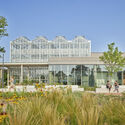
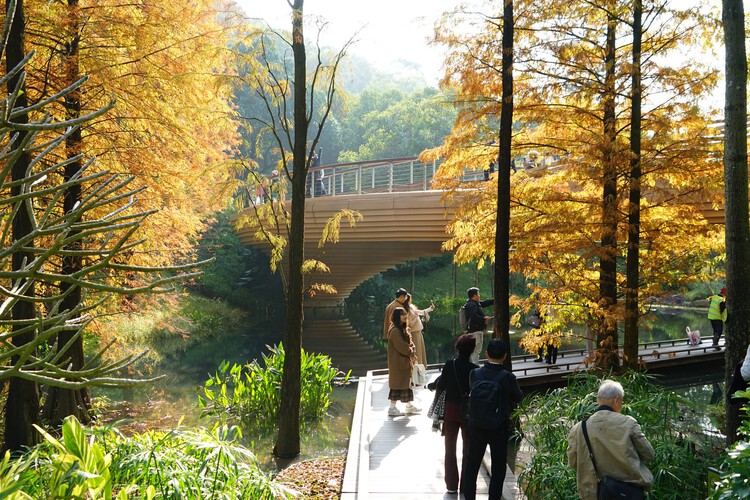
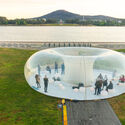
When Mobility Becomes the Ground: Architecture, Adaptation, and the Search for Continuity - Imagem 1 de 4When Mobility Becomes the Ground: Architecture, Adaptation, and the Search for Continuity - Imagem 2 de 4When Mobility Becomes the Ground: Architecture, Adaptation, and the Search for Continuity - Imagem 3 de 4When Mobility Becomes the Ground: Architecture, Adaptation, and the Search for Continuity - Imagem 4 de 4When Mobility Becomes the Ground: Architecture, Adaptation, and the Search for Continuity - More Images+ 5

When Architecture Moves: Kinetic Design and the Rituals of Space

Subscriber Access | 
Audio available

For centuries, architecture has been defined by unmoving permanence. A building is assumed to be fixed, its walls and foundation immobile in space. A growing number of architects are now challenging this assumption by incorporating movement into the very fabric and tectonic structures of buildings.

When roofs hinge, walls slide, and entire structures respond to their occupants, something remarkable happens: the architectural spaces become an active component of daily rituals. These moments of opening, closing, shifting, and translating spaces ground buildings in the present moment and demand active engagement from users. The architecture becomes less of an object or a monument and more of a choreography of participation.

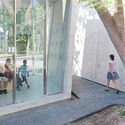
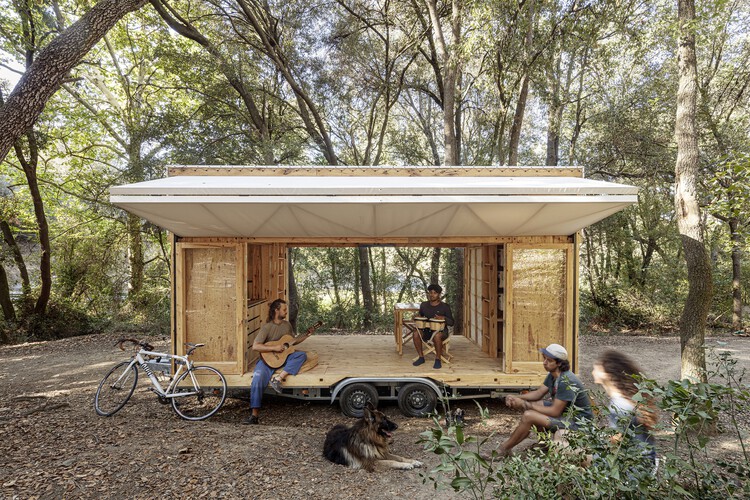
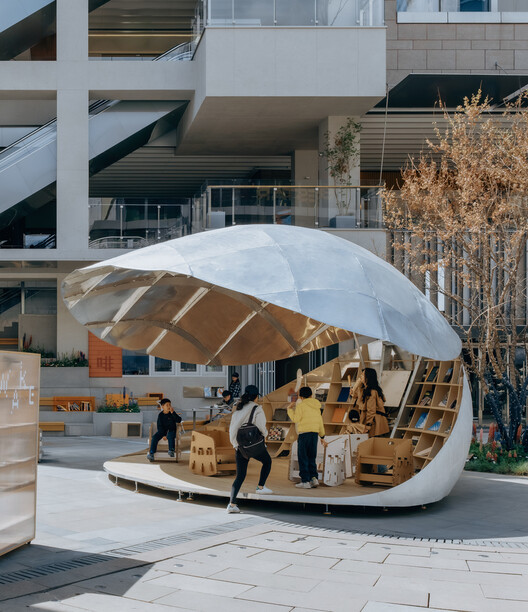
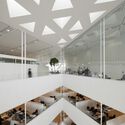
When Architecture Moves: Kinetic Design and the Rituals of Space - Image 1 of 4When Architecture Moves: Kinetic Design and the Rituals of Space - Image 2 of 4When Architecture Moves: Kinetic Design and the Rituals of Space - Image 3 of 4When Architecture Moves: Kinetic Design and the Rituals of Space - Image 4 of 4When Architecture Moves: Kinetic Design and the Rituals of Space - More Images+ 36

Architecture as a Platform: What Makes a Building Evolve?

Subscriber Access | 
Audio available

Not long ago, recent enough to feel current, architecture entered a moment in which buildings became legible as products. The framing offered discipline and a refreshed perspective to an industry that often deems novelty more precious than operational clarity. Nudging exercises of "form" towards repeatability, user experience, performance, and scalability prepared buildings to be a "product" that could now be evaluated. Architecture is more answerable to how well it works, how clearly it communicates its use, and how consistently it delivers its intended experience.

The discipline of product design refreshes the perspectives of architects designing for a changing future. Along with offering a new vocabulary and a rubric for design, the field brings in accountability: a product must perform reliably across time and context. It must hold together as a system of decisions rather than a collection of parts. Quality, therefore, is no longer measured solely by uniqueness, but by consistency and by the ability to produce a predictable experience for its occupants.

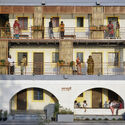
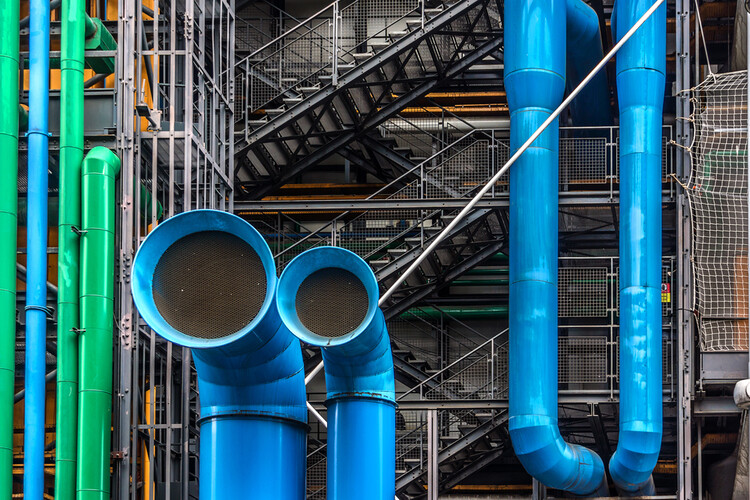
Architecture as a Platform: What Makes a Building Evolve? - Imagem 1 de 4Architecture as a Platform: What Makes a Building Evolve? - Imagem 2 de 4Architecture as a Platform: What Makes a Building Evolve? - Imagem 3 de 4Architecture as a Platform: What Makes a Building Evolve? - Imagem 4 de 4Architecture as a Platform: What Makes a Building Evolve? - More Images+ 2