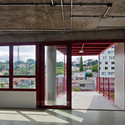
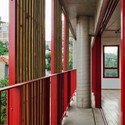
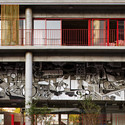
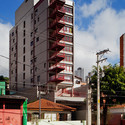
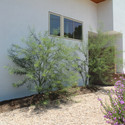
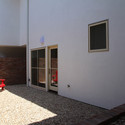
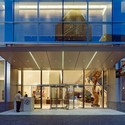
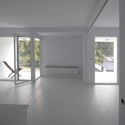
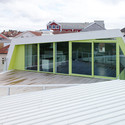
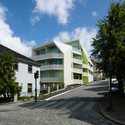
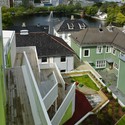
Vernacular architecture, the simplest form of addressing human needs, is seemingly forgotten in modern architecture. However, due to recent rises in energy costs, the trend has sensibly swung the other way. Architects are embracing regionalism and cultural building traditions, given that these structures have proven to be energy efficient and altogether sustainable. In this time of rapid technological advancement and urbanization, there is still much to be learned from the traditional knowledge of vernacular construction. These low-tech methods of creating housing which is perfectly adapted to its locale are brilliant, for the reason that these are the principles which are more often ignored by prevailing architects.
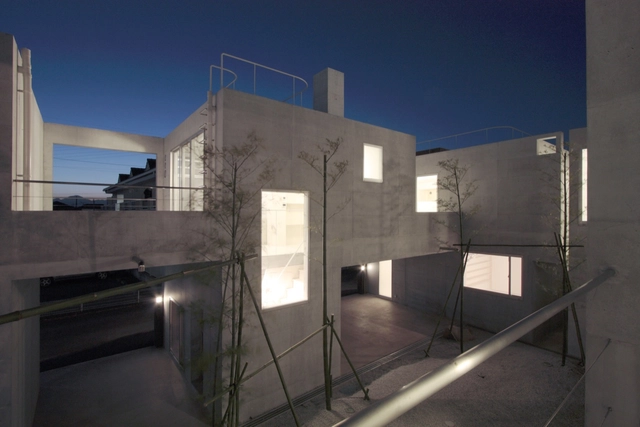
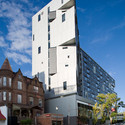
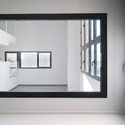
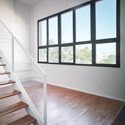
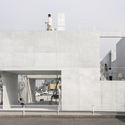
Tony Owen, namesake of Tony Owen Architects has shared with us his firm’s latest project, a pair of townhomes in the in the Sydney suburb of Newtown. Additional images of the residences and a description of their relationship to contemporary urban Japanese architecture after the break.
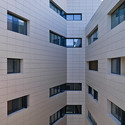
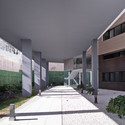
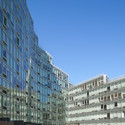
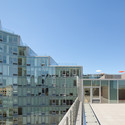
Karawitz Architecture recently announced the design for their passive co-housing project in Paris. Their principle of a self-governed independent residential initiative with 14 apartments (R+7), commercial premises, gardens (ground floor and roof area), car parks and communal areas (community house, laundry, bike shed and other areas) aims to reflect a new construction trend: private individual buyers joining together to form a cooperative to fulfil their own property and future housing project, in partnership with the SEMAVIP (Paris Site Manager) and Paris City and to share spaces and equipment.