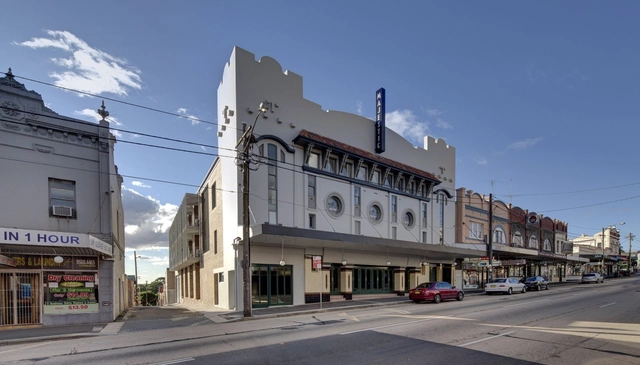
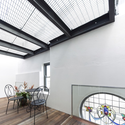
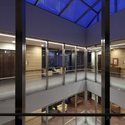
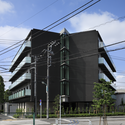
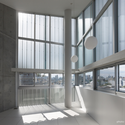
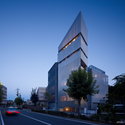
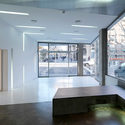
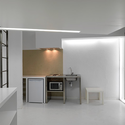
Marking the entrance to Stockholm’s inner city center, the Stockholm City Station. Designed by 3XN Architects, integrates the station, a hotel, conference center, and apartments. The main idea behind the design was to create a building that gently adjusts to the area’s existing building in scale and expression, and which reinterprets a number of local Swedish design traditions. Containing a number of public and private functions, the building will contribute positively to creating life in the surrounding neighborhood. More images and architects’ description after the break.
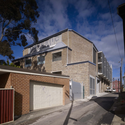
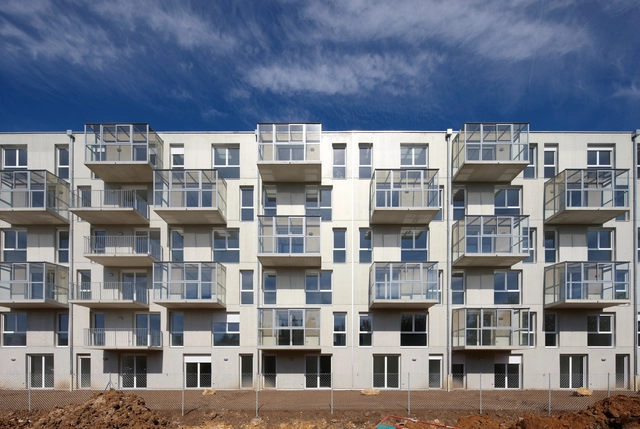
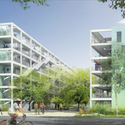
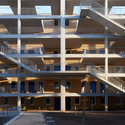
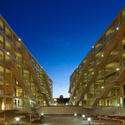
The Leeds Housing design by Kamvari Architects proposes terraced housing which meets the criteria of modern day living. The proposal refers to the context and the interesting site surrounded by canals and a waterway. This was seen as an opportunity to generate a central hub for the community which would separate them from vehicular routes and create a sanctuary for the entire community to enjoy. More images and architects’ description after the break.