
-
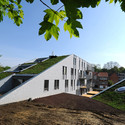
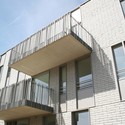
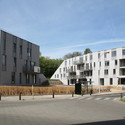
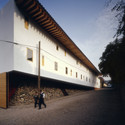
Architects: Tsubasa Iwahashi Architects
- Area: 4281 m²
- Year: 2010


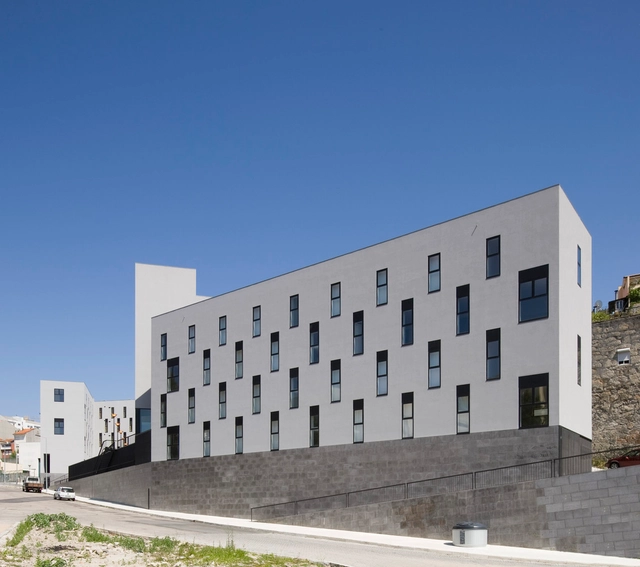

We’ve just received some news from our friends at Steven Holl Architects regarding the progress of their latest private gallery and residence. Situated in the hillside of the Kangbuk section of Seoul, Korea, the project’s geometry is an experimental reaction to a 1967 sketch for a music score by the composer Istvan Anhalt, “Symphony of Modules,” discovered in a book by John Cage titled “Notations”. This strategy, which runs parallel to a research studio on “the architectonics of music,” results in three separate pavilions connected by a sheet of water that establishes the plane of reference from above and below.
More construction photos, renderings and of course, Holl’s infamous watercolors after the break.
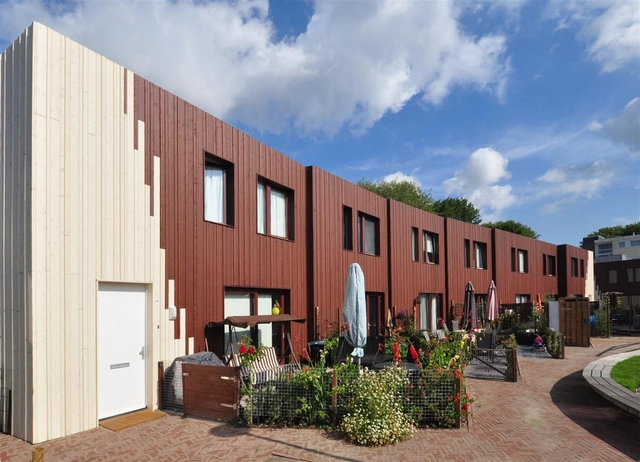
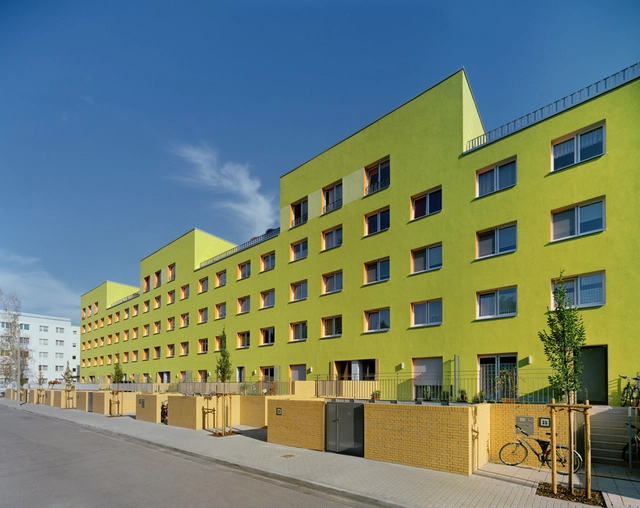

Construction is set to begin on 4of7 Architecture’s latest residences in Faqra, Mount Lebanon. Working with Accent Design Group, the team has designed holiday residences that will serve as ski retreats for those living nearby in Beirut. Situated at an altitude of 1850m, the buildings’ placement emphasizes the topography of the site.
More about the project after the break.

Architects Mohammad Jabi and Liyan Jabi shared with is their proposal for the Affordable Housing for the Future Competition in Abu Alanda, Jordan. See more images and architect’s description after the break.
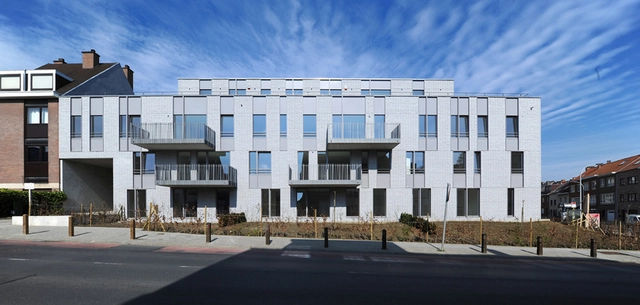

BIG has proven in the past to be a source of innovating projects. Their idea is far beyond the superficial: it´s about improving the city, as you can see on this presentation by Bjarke Ingels for 8 House.
For this project -which will open in October-, BIG has been honored by the Scandinavian Green Roof Association as the Best Green Roof in the Scandinavia for its 1.700 m2 sloping green roof at an award ceremony held at 8 House in Oerestad, Copenhagen.
More information about this award after the break.


Each year UdK Berlin organizes a small competition among the students for the concept of a Bookshop inside the School. This year’s winning proposal for the shop was designed by Dalia Butvidaite, Leonard Steidle, Johannes Drechsler and the all participating students then helped manufacturing the structure.
Cardboard as the main material was chosen because of its flexibility in shape, stability, cheapness, temporary feeling, lightness, mobility and last but not least its recyclability.