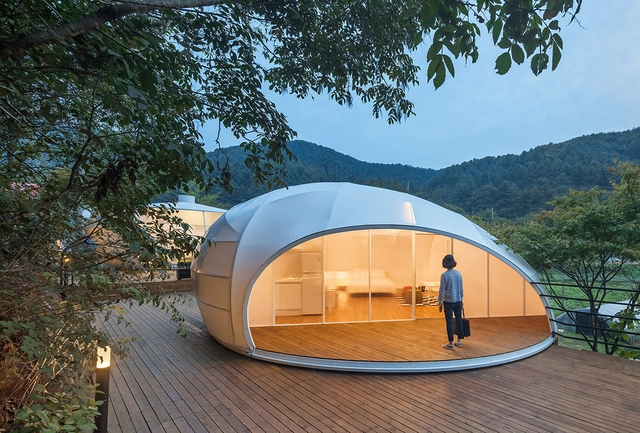
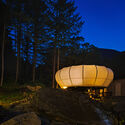
Camping, as defined in dictionaries, involves temporarily staying outdoors, setting up makeshift accommodations, and settling in natural surroundings. In architecture, tents symbolize these aspects, representing a typology that has endured across centuries and cultures, often linked with notions of impermanence and vulnerability.
In light of this common understanding, the term 'glamping' emerged in the early 2000s, blending 'camping' with 'glamour,' suggesting a fusion of camping with luxurious amenities. However, despite its recent popularization, the concept is far from original. Camping has not always been seen as the antithesis of luxury.
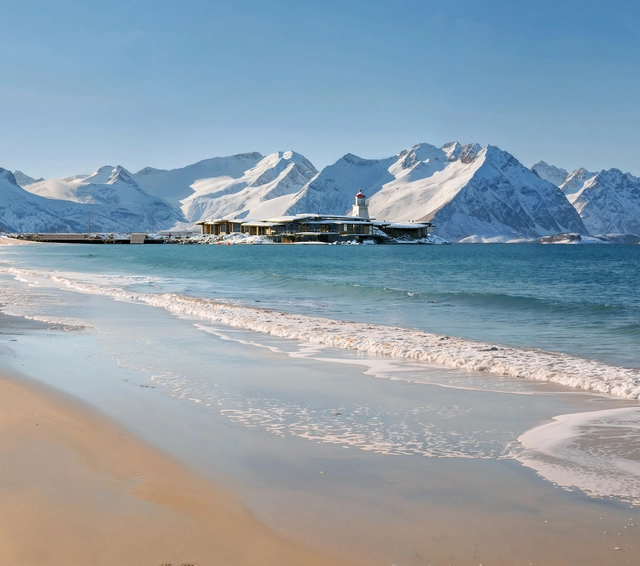
Danish architecture studio Dorte Mandrup has just released the designs for its new project in the Arctic Region. Teaming up with high-end Norwegian adventure and outdoor brand Norrøna, the studio has designed a nature hotel. Situated in Northern Norway in Senja, Norway’s second-largest island, the hotel is surrounded by dramatic landscapes featuring steep mountains, beaches, valleys, and deep fjords.
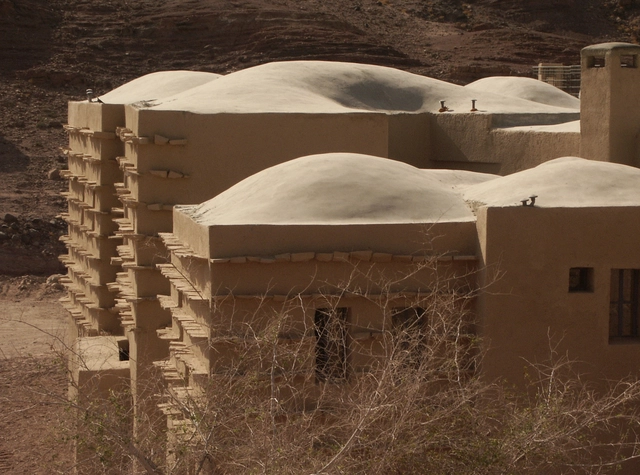
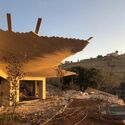
The Feynan Ecolodge project. Image Courtesy of Dongola DAS 01 | Notes on Formation and Ammar Khammash
Ammar Khammash is a Jordanian architect, designer, and artist best known for his approach that focuses on the preservation of cultural and natural heritage while crafting an architecture that engages with its surroundings. With deep admiration for nature and its ecosystems, Khammash trusts that "the site is the architect”, a statement for which he is renowned that underscores the profound influence of context on his architectural design. With over three decades of experience spanning various disciplines and across several Middle Eastern countries such as Jordan, Oman, Palestine, Egypt, Syria, and the UAE, Ammar Khammash has consistently attempted to preserve and enhance the symbiosis between human constructions and the natural environment. His contributions include the Royal Academy for Nature Conservation, the Wild Jordan Center, and the restoration of the Church of Apostles.
In 2022, he was featured in the first edition of the Dongola Architecture Series, a biannual publication that offers unique perspectives into Arab culture by highlighting prominent contemporary architects. The issue, titled “Notes on Formation: Ammar Khammash,” written by Raafat Majzoub, explores "architecture as a transdisciplinary tool of expression, and as a method of imagining and reimagining the future," encapsulating the ethos of the publication. ArchDaily had the opportunity to talk to Ammar Khammash and Sarah Chalabi, founder of Dongola Limited Editions, to delve into the architect’s perspectives on site, materiality, and culture, along with his philosophy, notions on academia, and insights into the future of the profession.
CityMakers, The Global Community of Architects Who Learn from Exemplary Cities and Their Makers, is working with Archdaily to publish a series of articles about Barcelona, Medellin, and Rotterdam. The authors are the architects, urban planners, and/or strategists behind the projects that have transformed these three cities and are studied in the "Schools of Cities" and "Documentary Courses" made by CityMakers. On this occasion, Jaume Barnada, coordinator of the award-winning Climate Shelters project in Barcelona schools and speaker at the "Schools of Cities", presents his article "Barcelona, the public place as a synonym for the adaptation of the built city."
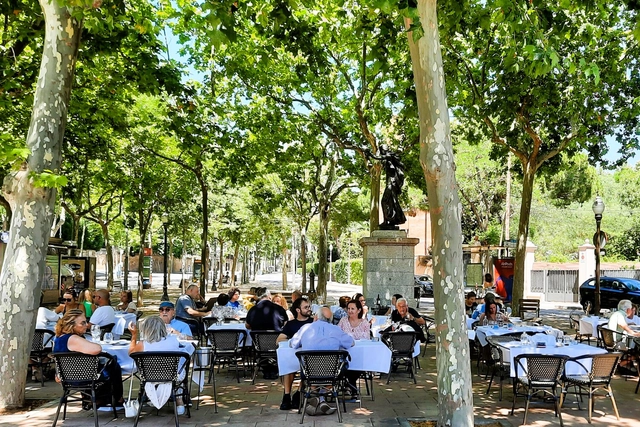
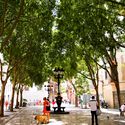
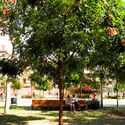
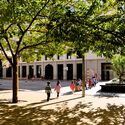
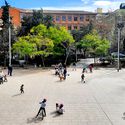
Cities are dense, built spaces in which pavements have been efficiently imposed on the natural soil. Cities like Barcelona have almost 75% of the land paved and waterproof. Without a doubt, it is an excess to reverse at a time of climate emergency, where we must reconnect with nature. Oriol Bohigas [1] told us that good urbanization had paved the squares of Mediterranean cities and that no one wanted to live in a mudhole. I'm sure he was right. Also, he taught us that the green and, consequently, the natural soil had to have dimension and especially an urban position. Squares are squares and parks are parks, and each space has a type of project. Today, concepts are too frequently confused when urbanizing public places and consequently, we find projects that blur the model.
As this bloody year draws to a close, at a moment when the message “Peace on Earth” seems altogether mute, one might well ask: What power does architecture have? How can it address violence against innocent people, whose lives have been turned upside down? How does architecture respond to staggering cruelty? What can it say? Can it raise consciousness?
https://www.archdaily.com/1011673/in-warsaw-a-student-designed-architectural-response-to-dark-timesMichael J. Crosbie
Cities are the bedrock of civilization. For millennia, they have attracted people with the promise of superior standards of living — from better economic and educational opportunities to easier access to quality public infrastructure such as housing, healthcare, and public transport. Today, however, many cities around the world are finding it challenging to live up to this promise. With urban migration accelerating at a dizzying rate – the United Nations projects that over two-thirds of the world's population will live in cities or urban centers by 2050 – existing resources and services in cities are coming under increasing pressure, rendering them dysfunctional and leading to glaring inequities.
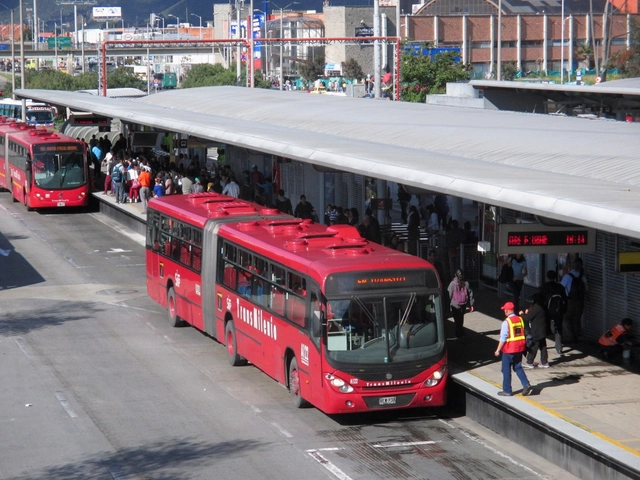
There is no singular way to define or assess liveability; every city has a unique set of characteristics, from its history, culture, geography, and demographics, to how it is governed and what urban issues plague it. Therefore, improving liveability requires concerted efforts from multiple stakeholders including people, governments, and experts, to identify critical problem areas and opportunities, and devise contextual solutions. The TV show Tale of Two Cities, where Indian architect and urbanist Dikshu C. Kukreja sits down with global leaders, brings out great insights into what some major cities in the world are doing to create more liveable environments for their inhabitants. Here we present five examples: from Bogotá, Kolkata, Hannover, Tirana, and Washington, D.C.
There are extraordinary connections between the natural world and the capacity for creativity in human beings. In his book Last Child in the Woods, journalist and author Richard Louv observes: “Nature inspires creativity in a child by demanding visualization and the full use of the senses. Given a chance, a child will bring the confusion of the world to the woods, wash it in a creek, turn it over to see what lives on the unseen side of that confusion.” He concludes that in nature, “a child finds freedom, fantasy, and privacy: a place distant from the adult world, a separate peace.” The architect Frank Harmon likewise wrote touchingly about the outdoors, woods, and water as perfect settings for cultivating a thirst for learning and discovery: “Children raised by creeks are never bored. Creek children don’t know about learning by rote, neither are they conditioned to working nine to five. Berries are their first discoveries, and birds’ nests, and watching the stars come out. Later they discover books. To creek children, learning is discovery, not instruction.”
https://www.archdaily.com/984628/an-architectural-journey-through-the-woodsMichael J. Crosbie & Suzanne Bott
Conexión by Lidia León Cabral. Image Courtesy of Dominican Republic Pavilion
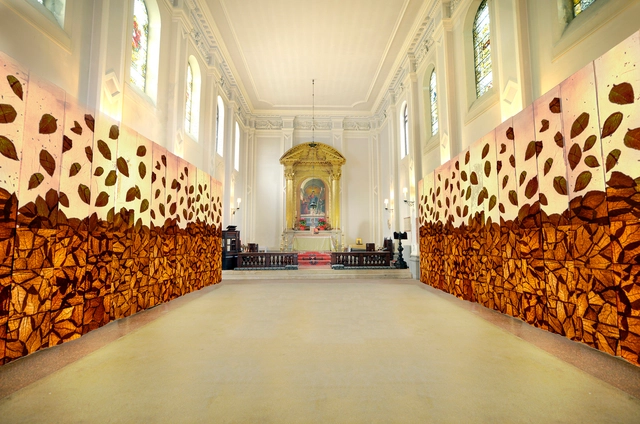
For the 17th Venice Architecture Biennale, the Dominican Republic presents the exhibition CONEXIÓN by artist and architect LiLeón (Lidia León Cabral) and art critic Roberta Semeraro. Hosted at Venice's Anglican Church, the project lies at the intersection of art and interior architecture, and is inspired by "the bond between the Dominican Republic and Mother Earth".
If you are in a place impacted by the COVID-19 pandemic, spending 20 minutes experiencing nature in a park, street, or even your backyard can significantly reduce your stress levels. Just be sure to follow federal, state, and local guidelines and maintain social distancing of 6 feet or 2 meters. But even if you cannot or are unable to go outside, taking a break by opening a window and looking at a tree or plant can also help de-stress.
https://www.archdaily.com/950536/amid-the-covid-19-pandemic-take-time-to-reconnect-with-natureJared Green
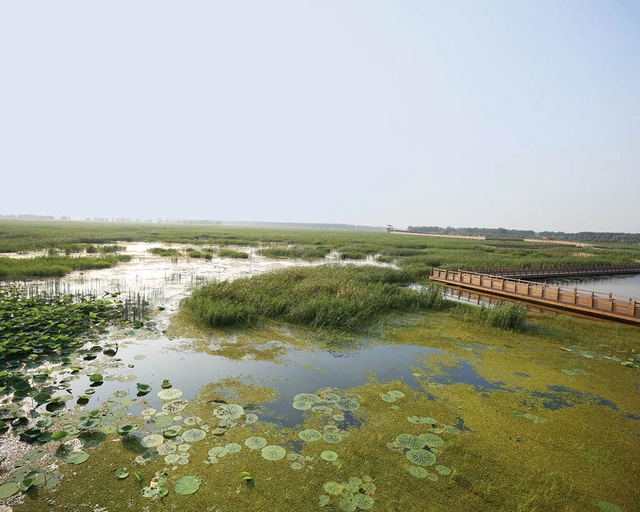
Design With Nature Now revisits Ian McHarg’s eponymous 1969 book and takes stock of current practices and projects of resilience in landscape design the world over, such as AECOM’s Weishan Lake National Wetland Park in Shandong, China. Courtesy AECOM
Moving away from its early exclusive focus on natural disasters, resilient architecture and design tackles the much tougher challenge of helping ecosystems regenerate.
Thirty years ago, as a high school student at the Cranbrook boarding school in suburban Detroit, I wrote a research-based investigative report on the environmental crisis for the student newspaper. I had been encouraged to do so by a faculty adviser, David Watson, who lived a double life as a radical environmentalist writing under the pseudonym George Bradford for the anarchist tabloid Fifth Estate. His diatribe How Deep Is Deep Ecology? questioned a recurring bit of cant from the radical environmental movement: Leaders of groups like Earth First! frequently disparaged the value of human life in favor of protecting nature.