1. ArchDaily
  2. Multifamiliar

Multifamiliar: The Latest Architecture and News

Architecture as a Product: What Makes a Building Worth Repeating?

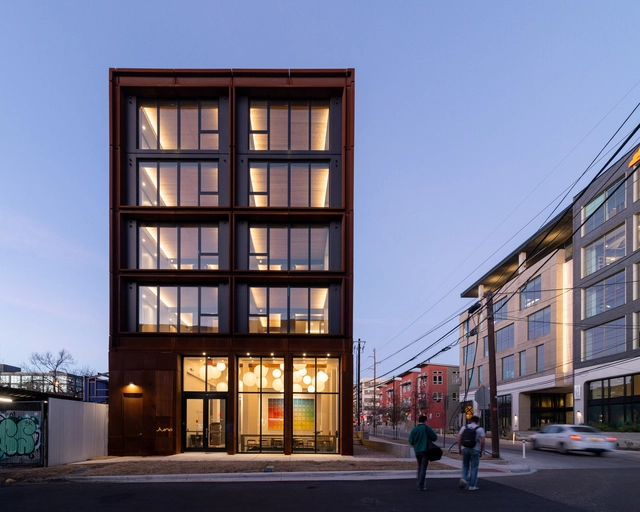
Architecture praxis has traditionally focused on customized, project-based services – a well-established model continually favored by industry professionals. While this approach yields remarkable built environments, it struggles to achieve scalability and longevity. The architectural industry has shown little interest in exploring alternative practices, processes and business models, considering that the traditional mode is equally vulnerable to market cycles as other industries are. Bespoke design solutions, the cornerstone of conventional practice, make standardizing processes and scaling services challenging. This focus also leads to fragmented workflows among firms and stakeholders. The stability and establishment of traditional practices can breed a risk-averse culture, hampering disruptive innovations within the industry.

Architecture as a Product: What Makes a Building Worth Repeating? - 1 的图像 4Architecture as a Product: What Makes a Building Worth Repeating? - 2 的图像 4Architecture as a Product: What Makes a Building Worth Repeating? - 3 的图像 4Architecture as a Product: What Makes a Building Worth Repeating? - 4 的图像 4Architecture as a Product: What Makes a Building Worth Repeating? - More Images+ 2

Exploring Multifaith Spaces with Eric Salitsky

In this webinar, Eric Salitsky will present his 2018 Stewardson Keefe LeBrun Travel Grant research, Exploring the Global Phenomenon of Multifaith Spaces. Most commonly found in airports, hospitals, and university campuses, multifaith spaces also exist in military bases, prisons, malls, stadiums, museums, and as stand-alone institutions. Salitsky traveled to over 50 of these spaces in New York, Boston, London, Manchester, Zurich, and Berlin to document the various ways that both architects and laypeople have attempted to solve the inherent issues involved in accommodating the prayer needs of various religions at once.

Is Religious Architecture Still Relevant?

Subscriber Access | 

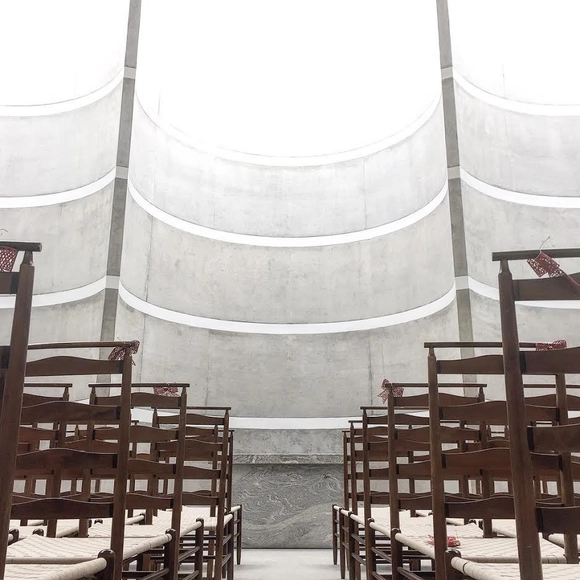
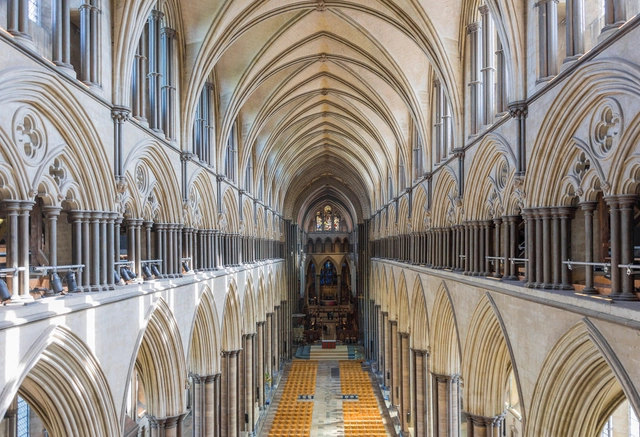
Some of the greatest architectural works throughout history have been the result of religion, driven by the need to construct spaces where humanity could be one step closer to a higher power. With more people choosing a secular lifestyle than ever before, are the effects that these buildings convey—timelessness, awe, silence and devotion, what Louis Kahn called the “immeasurable” and Le Corbusier called the “ineffable”—no longer relevant?

With the Vatican’s proposal for the 2018 Venice Biennale, described as “a sort of pilgrimage that is not only religious but also secular,” it is clear that the role of "religious" spaces is changing from the iconography of organized religion to ambiguous spaces that reflect the idea of "spirituality" as a whole.

So what does this mean? Is there still a key role for spirituality in architecture? Is it possible to create spaces for those of different faiths and those without faith at all? And what makes a space "spiritual" in the first place?