1. ArchDaily
  2. Modern Adaptation

Modern Adaptation: The Latest Architecture and News

Dispatched: Architecture of the American Post Office and the Privatization of Civic Space

Post offices stand among the most enduring monuments of civic life in the United States. Across towns and city centers, they carry the shifting architectural ambitions of the nineteenth and twentieth centuries, from Greek Revival formality to Beaux-Arts monumentality and Art Deco ornament. Architects and federal planners would give these buildings a clear public role and a powerful physical presence. Stone façades, monumental halls, and crafted interiors projected stability, trust, and permanence. The post office placed the federal government directly into the everyday landscape of American life.

Dispatched: Architecture of the American Post Office and the Privatization of Civic Space - Image 4 of 4Dispatched: Architecture of the American Post Office and the Privatization of Civic Space - Image 6 of 4Dispatched: Architecture of the American Post Office and the Privatization of Civic Space - Image 7 of 4Dispatched: Architecture of the American Post Office and the Privatization of Civic Space - Featured ImageDispatched: Architecture of the American Post Office and the Privatization of Civic Space - More Images+ 10

Frida Escobedo to Design Qatar’s New Ministry Building with Adaptive Reuse of a Modernist Landmark in Doha

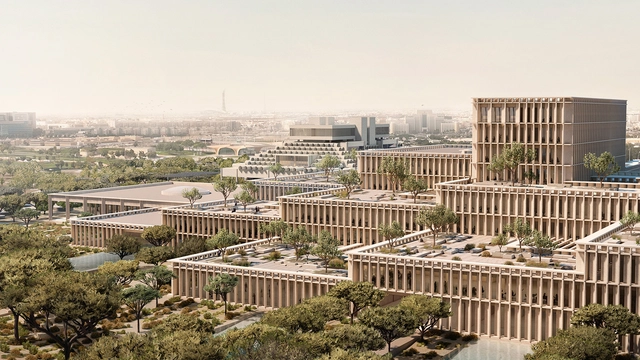
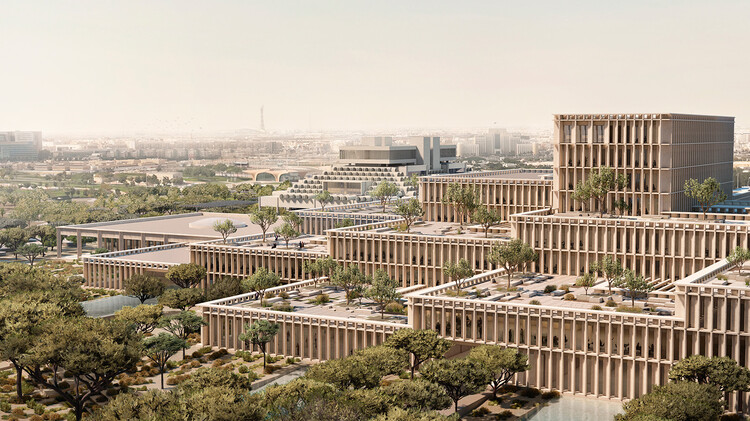
The State of Qatar announced on December 4, 2025, the selection of Frida Escobedo Studio, with Buro Happold engineers and Studio Zewde landscape designers, to design the new headquarters for the Ministry of Foreign Affairs. Intended to establish a more visible civic presence for the Qatari diplomatic service and provide public access to the Ministry complex, the project is planned for a prominent site along Doha's waterfront, transforming a significant section of the city's Corniche. Situated beside Doha Bay, the 70,000-square-meter (750,000-square-foot) project is conceived as a combination of new construction and the adaptive reuse of the historic modernist General Post Office currently on the site.

Frida Escobedo to Design Qatar’s New Ministry Building with Adaptive Reuse of a Modernist Landmark in Doha - Image 1 of 4Frida Escobedo to Design Qatar’s New Ministry Building with Adaptive Reuse of a Modernist Landmark in Doha - Image 2 of 4Frida Escobedo to Design Qatar’s New Ministry Building with Adaptive Reuse of a Modernist Landmark in Doha - Image 3 of 4Frida Escobedo to Design Qatar’s New Ministry Building with Adaptive Reuse of a Modernist Landmark in Doha - Image 4 of 4Frida Escobedo to Design Qatar’s New Ministry Building with Adaptive Reuse of a Modernist Landmark in Doha - More Images

Mid-Century Modernism and East Coast Ruralism: A Study of Adaptive Design

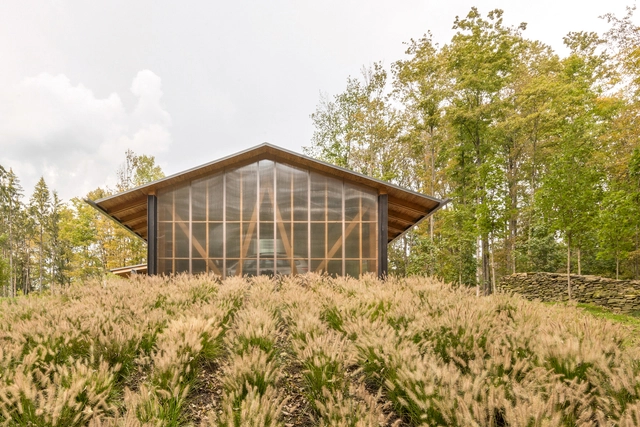
Mid-century modernism, celebrated for its simplicity, functionality, and direct connection with nature, is often associated with urban and suburban environments. However, its principles found fertile ground in the rural landscapes of the United States East Coast. The post-war architectural movement, characterized by innovative materials, clean lines, and harmony with natural surroundings, reveals its adaptability in the hands of architects and craftsmen working in rural regions of the East Coast. Although associated with metropolitan areas, its adoption in rural settings reveals a compelling story of cultural and environmental adaptation.

Mid-Century Modernism and East Coast Ruralism: A Study of Adaptive Design - Image 1 of 4Mid-Century Modernism and East Coast Ruralism: A Study of Adaptive Design - Image 2 of 4Mid-Century Modernism and East Coast Ruralism: A Study of Adaptive Design - Image 3 of 4Mid-Century Modernism and East Coast Ruralism: A Study of Adaptive Design - Image 4 of 4Mid-Century Modernism and East Coast Ruralism: A Study of Adaptive Design - More Images+ 11

Contrast or Harmony: The Aesthetic of Modern Adaptations to Historic Buildings

Subscriber Access | 

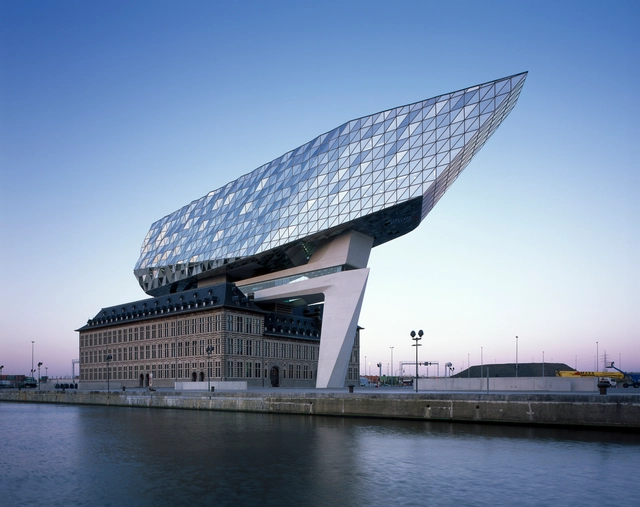
As cities grow and evolve, the question of preserving, rehabilitating, or adapting historic sites arises. The intervention in such buildings requires a delicate balance between honoring their heritage and meeting contemporary demands. Often, the most innovative and radical solutions emerge when architects attempt to renew a building while maintaining its original footprint and as many features as possible. They then create modern extensions that either harmonize or contrast with the original structure. This approach not only revitalizes the building but also celebrates the synergy between the past and present, including materials, construction technology, architectural movements, stories, and overall building quality. The layering of both old and new elements through harmony or contrast requires an intelligent and sensitive approach that gives the building a unique aesthetic and a new meaning.

Contrast or Harmony: The Aesthetic of Modern Adaptations to Historic Buildings - Image 1 of 4Contrast or Harmony: The Aesthetic of Modern Adaptations to Historic Buildings - Image 2 of 4Contrast or Harmony: The Aesthetic of Modern Adaptations to Historic Buildings - Image 3 of 4Contrast or Harmony: The Aesthetic of Modern Adaptations to Historic Buildings - Image 4 of 4Contrast or Harmony: The Aesthetic of Modern Adaptations to Historic Buildings - More Images+ 6