

In this film, presented in collaboration with +KOTE, the After Belonging Agency—Carlos Minguez Carrasco, Ignacio Galán, Alejandra Navarrese Llopis, Lluís Alexandre Casanovas Blanco, and Marina Otero Verzier—narrate a walkthrough of In Residence, one of the two core exhibitions at this year's Oslo Architecture Triennale: After Belonging – A Triennale In Residence, On Residence, and the Ways We Stay in Transit.
Migration: The Latest Architecture and News
After Belonging Agency On the Emergence of New Patterns of Living
https://www.archdaily.com/799398/after-belonging-agency-on-emergence-of-new-patterns-of-living-in-residence-2016-oslo-architecture-triennaleJames Taylor-Foster
Opportunity Space
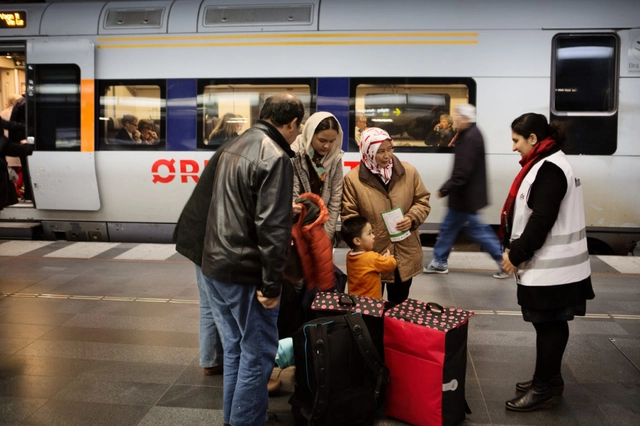
Europe’s migration crisis has intensified the need for cities to develop new tools and strategies to help people build skills, earn a living, and establish their place in society. To address this challenge, New York-based design nonprofit Van Alen Institute has launched Opportunity Space, a competition inviting multidisciplinary teams to propose a temporary mobile structure in Malmö, Sweden that will support a wide range of social programs.
The winning team will receive a $10,000 prize, a $5,000 travel budget, and up to $25,000 to implement their proposal in and around Malmö’s Enskifteshagen Park for two months in spring 2017.
https://www.archdaily.com/797635/opportunity-spaceRene Submissions
Saskia Sassen, Krister Lindstedt and Mimi Hoang on the Architecture of Migration
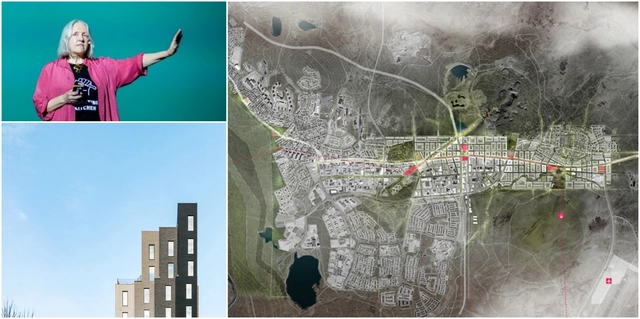
At this year's reSITE conference in Prague, speakers attended from around the globe to present differing perspectives on the challenges of migration, with topics of interest ranging from economics, to city planning to architecture. But as revealed by the following presentations, migration is a topic that requires interrogation on a number of different scales and in a number of different contexts: from the global economic focus offered by Saskia Sassen in her opening keynote lecture, to the focused challenges of designing micro-apartments shown by Mimi Hoang of nArchitects; and even to the unusual case presented by Krister Lindstedt of White Arkitekter, when a migration is undertaken not by individual people but by a whole town at once.





https://www.archdaily.com/792826/saskia-sassen-krister-lindstedt-and-mimi-hoang-on-the-architecture-of-migrationRory Stott
How Migration Will Define the Future of Urbanism and Architecture
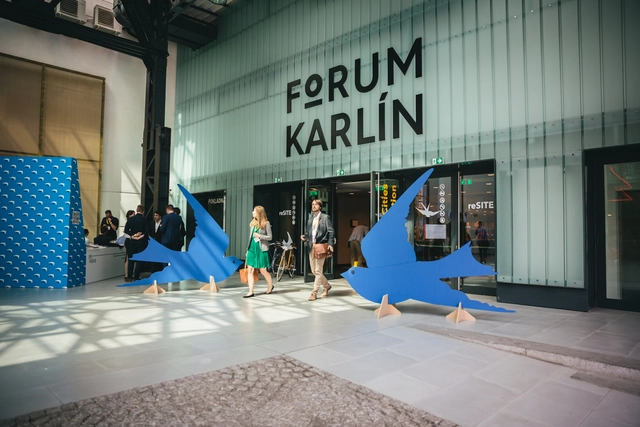
When we started talking about migration [as a conference theme], everybody said ‘don’t do it, it’s too controversial.’ We said that’s exactly why we’re going to do it.
This defiant attitude was how Martin Barry, Chairman of reSITE, opened their 2016 Conference in Prague three weeks ago. Entitled “Cities in Migration,” the conference took place against a background of an almost uncountable number of challenging political issues related to migration. In Europe, the unfolding Syrian refugee crisis has strained both political and race relations across the continent; in America, Republican Presidential candidate Donald Trump has led a populist knee-jerk reaction against both Mexicans and Muslims; and in the United Kingdom—a country only on the periphery of most attendees’ consciousness at the time—the decision in favor of “Brexit” that took place a week after the conference was largely predicated upon limiting the immigration of not only Syrians, but also of European citizens from other, less wealthy EU countries.
In architecture, such issues have been highlighted this year by Alejandro Aravena’s Venice Biennale, with architects “Reporting from the Front” in battles against, among other things, these migration-related challenges. From refugee camps to slums to housing crises in rich global cities, the message is clear: migration is a topic that architects must understand and respond to. As a result, the lessons shared during reSITE’s intensive two-day event will undoubtedly be invaluable to the architectural profession.
https://www.archdaily.com/790818/how-migration-will-define-the-future-of-urbanism-and-architectureRory Stott