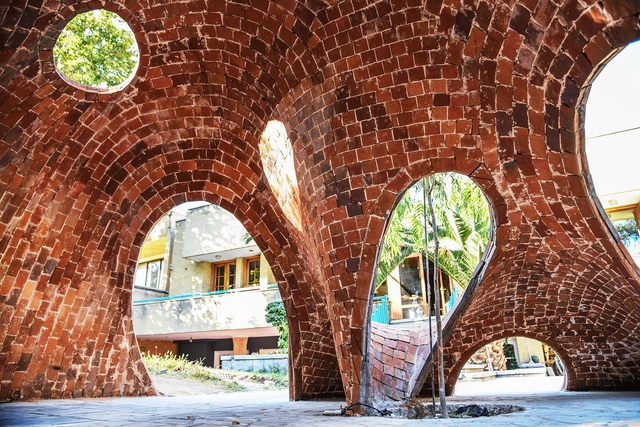
Young Architects Design and Build Iran's First Free-Form Brick Structure

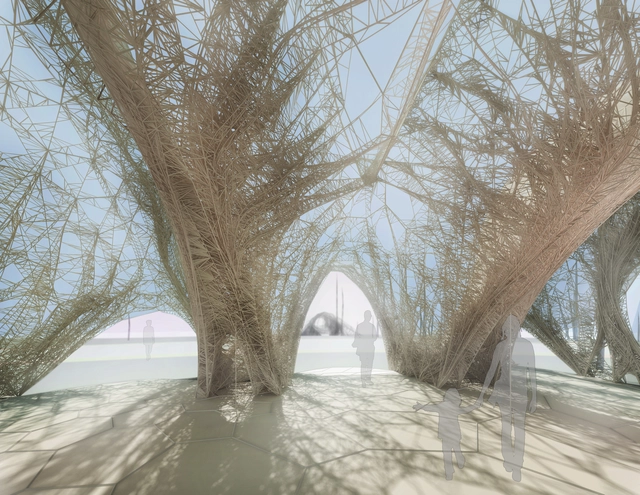
Using an array of programs available for public use, a group of young architects called ADAPt have designed and realized a unique free-form brick structure in Iran. The complexity of the structure is broken down into several layers and elements, all guided by the analysis and output of their digital toolbox. This iteration, titled "FaBRICKate" is the first in what is intended to be a series of investigations of this contemporary design method.
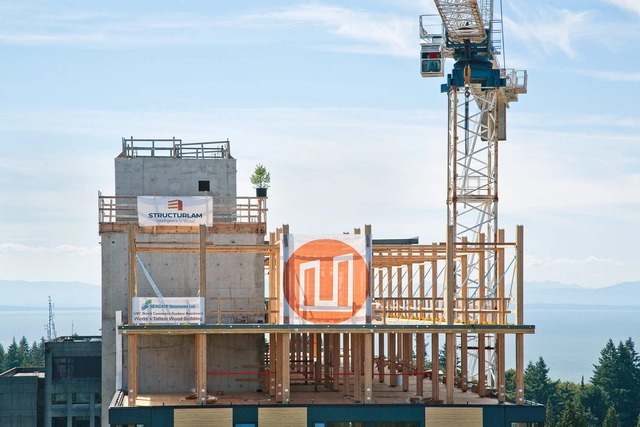
"World's Tallest Timber Tower" Tops Out in Vancouver

The world's tallest timber tower has topped out this week, standing 53 meters high in the Vancouver skyline. The 18 story building, designed by Acton Ostry Architects, began construction in November 2015 and has since opened the floodgates for a new wave of mass timber towers. The building, which has been erected at record speed, will house 404 students as the Brock Commons Student Residence at the University of British Columbia (UBC). Offsite-production and the careful coordination of trades saw it rise at a rate of two floors per week, with the official completion set for mid-2017.

This New Database Allows You to Search Through the Architectural Applications of Lesser Known Timber Species

Wood has always been one of the essential materials used in construction, and with the ongoing trend of timber-framed tall buildings, it has become more important than ever to be conscious of the impacts on the environment from the types of wood we source.

NTU Singapore Researchers Develop Flexible Concrete that Resists Cracking

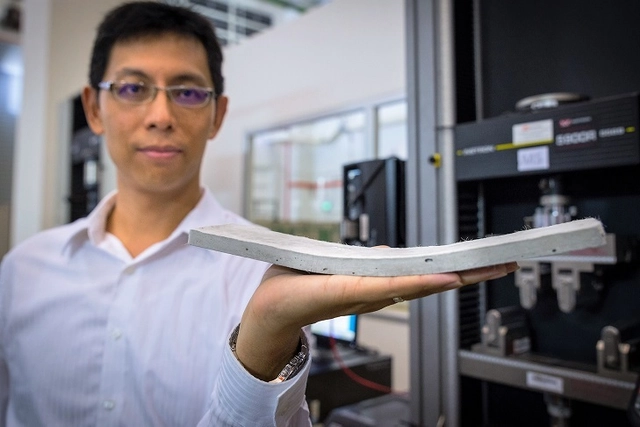
Scientists from Nanyang Technological University (NTU Singapore) have developed a bendable variety of concrete called ConFlexPave, which in addition to its increased flexibility, is both stronger and more durable than traditional concrete. Working at the NTU-JTC Industrial Infrastructure Innovation Centre (I³C), the team created the material by introducing polymer microfibers into the concrete mixture.

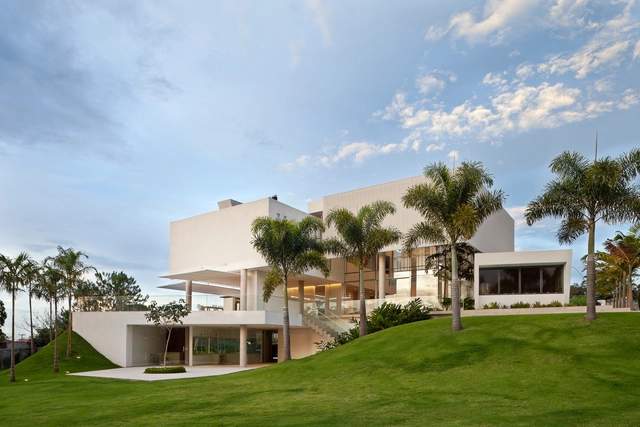
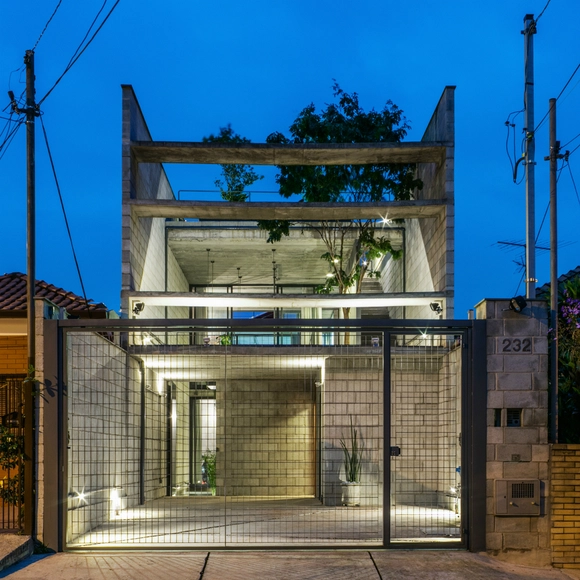
Material Focus: House in Lago Sul Qi 25 by Sérgio Parada Arquitetos Associados

This article is part of our new "Material Focus" series, which asks architects to elaborate on the thought process behind their material choices and sheds light on the steps required to get a building constructed.

New DIY System from TERRA! Allows You to Grow Your Own Furniture Into Your Landscape

You can now easily build integrated seating into your landscape project, thanks to a prefabricated grass armchair system called TERRA! The laser cut framework elements are quickly assembled, and all that's left to do is cover the mound with soil and wait for the grass to envelope it. First released over 15 years ago and taken off the market shortly after, TERRA! is now back with a revitalized and simplified design.

Repurposed Material Creates Distinct Felt Tile Patterns that Provide Sound Control

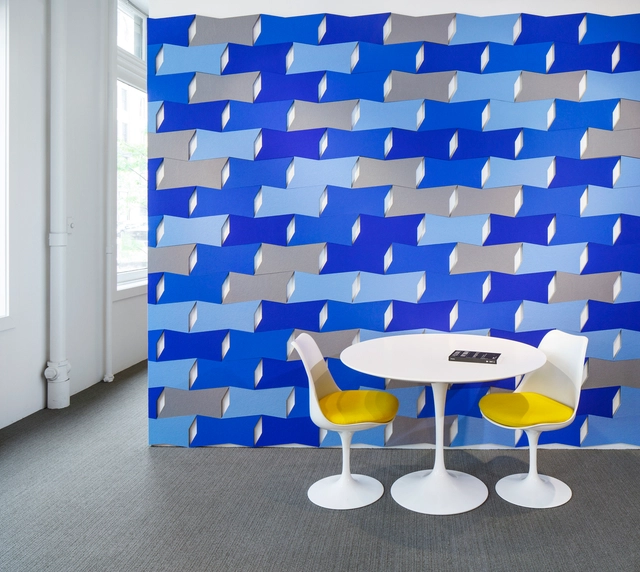
Architecture Research Office and FilzFelt have teamed up to create ARO Block, a series of modular acoustic tiles that provide sound control in a customizable, easy-to-install system. Generated from remnant material of FilzFelt’s CNC cut products, which are often times small, ARO Block not only creates distinct felt tile patterns but also prevents leftover fabric from going to waste.

SOM's Timber Tower System Successfully Passes Strength Testing

The recent trend in timber-framed architecture may just be beginning.

Video: How to Build Your Own Spiral Staircase Using a CNC Router

In this video, Ben Uyeda of HomeMade Modern demonstrates how to build a sleek, contemporary spiral staircase using just a standard schedule steel post, plywood and a CNC router (along with a healthy amount of wood and construction glue). To build the staircase, Uyeda uses the CNC to cut out 12 shapes of incremental size from a plywood sheet, which he then stacks and fits around the post to secure into place.

Watch How Bamboo Scaffolding Was Used to Build Hong Kong's Skyscrapers

In the late 20th century, restricted by an a small landmass and extreme terrain, the Hong Kong urban area grew to become one of the densest and most vertical places on the planet, with more buildings taller than 500 feet than any other city in the world. But instead of the steel or aluminum structures used as scaffolding in Europe and the Western Hemisphere, the majority of skyscrapers built in Hong Kong and much of Asia used scaffolding systems constructed out of bamboo.

AA School of Architecture Designs Adaptable Structural Plastic 3D Printing Method

The AA School of Architecture’s DRL Masters Program has developed a thesis project, entitled Growing Systems, which explores adaptable building systems using methods of robotic fabrication and generative special printing within the context of housing.

Material Focus: Casa Mipibu by Terra e Tuma Arquitetos Associados

This article is part of our new "Material Focus" series, which asks architects to elaborate on the thought process behind their material choices and sheds light on the steps required to get buildings actually built.

This is How Urban Agency Made a 150kg Concrete Model

As part of the Danish contribution to the 2016 Venice Biennale Urban Agency embarked on a challenging feat: the construction a 1:50 concrete model. The firm—based in Dublin, Copenhagen and Lyon—contributed three projects to the "Human Architectures" exhibition at this year's Danish Pavilion.

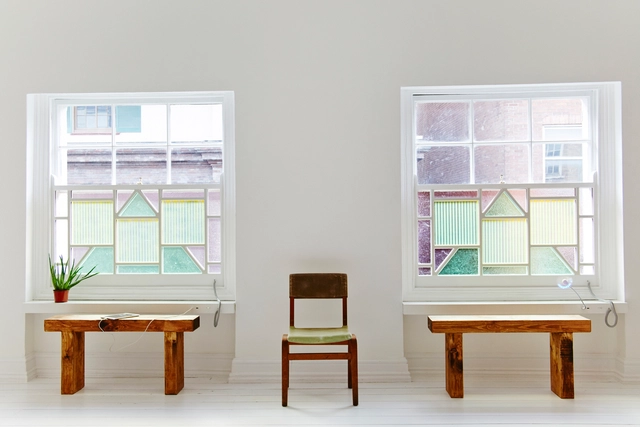
These Everyday Household Items Convert Light Into Energy

London-based design firm Caventou has designed a series of “stained glass” everyday objects that turn daylight into electricity, even indoors.

Material Focus: Enseada House by Arquitetura Nacional

This article is part of our new "Material Focus" series, which asks architects to elaborate on the thought process behind their material choices and sheds light on the steps required to get buildings actually built.

Amazing Robotically Fabricated Mesh Revolutionizes How Concrete is Formed and Reinforced

Since 2015, Gramazio Kohler Research has been in the process of developing "Mesh Mould Metal," a project that studies the unification of concrete reinforcement and formwork into a single, robotically fabricated material system. The project is based on their first phase of research, Mesh Mould, which spanned from 2012 to 2014, and developed a robotic extrusion process for a polymer mesh.

Material Focus: Salling Tower by Dorte Mandrup Arkitekter

This article is part of our new "Material Focus" series, which asks architects to elaborate on the thought process behind their material choices and sheds light on the steps required to get buildings actually built.

This Brick-Laying Robot Can Construct an Entire House in Just 2 Days

Subscriber Access | 

Thanks to a new robot named Hadrian X, we made soon be able to construct an entire brick house in just 2 days. Developed by the appropriately named Australian firm Fastbrick Robotics, the giant truck-mounted robot has the ability to lay up to 1,000 bricks an hour. Its innovation comes via the machine’s 30-meter telescopic boom, which allows the base to remain in a single position throughout the brick-laying process.