Photo: 1932 Escuela Montessori, Barcelona. Montessori, M. (1965) Dr. Montessori's Own Handbook. New York: Schocken Books. Image via @montistory101
Children's furniture is all furniture –fixed or mobile– that is designed according to the ergonomic guidelines and anatomical dimensions of children specifically. Following this definition, we can identify two types of furniture: (1) those that facilitate a relationship between the caregiver and the child, and (2) those that allow the child to use them independently.
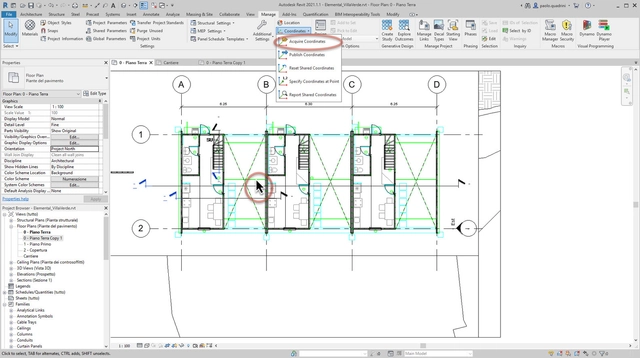
Revit is a parametric and multidisciplinary design software that can virtually create and insert any building within a BIM process. Revit is not a true modeler, but an aggregator of construction components governed by a series of specific rules. In order to avoid issues within the Revit project, it must be set up carefully. Since each project has different characteristics and requirements, there is no standard procedure when starting a new one. However, becoming familiar with various situations and their necessary steps will greatly help.
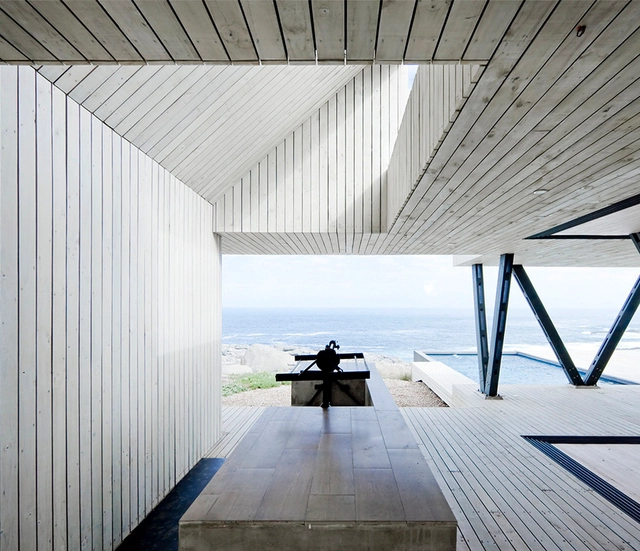
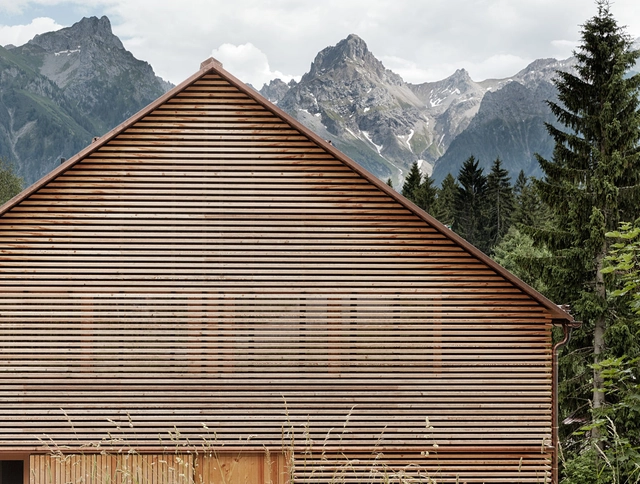
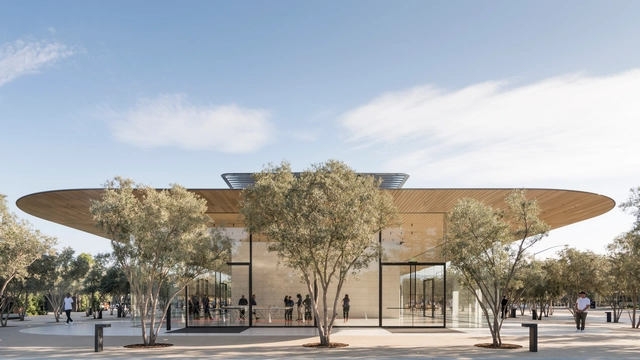
When designing the Nordic Pavilion in Venice, Sverre Fehn incorporated Nordic architectural elements in unusual ways. One of the most attention-grabbing elements of the building is its laminar roof cover of white concrete, which is broken by trees planted inside the building blocking the sun's rays and filtering the light. Depending on the angle, the roof blades allow visitors to see the colors of the sky and the canopy of the trees, bringing dynamism to the pavilion's lighting and movement. In fact, the use of parallel slats on facades, walls, and roofs is a tradition that comes from Nordic architecture and has spread throughout the world. In this article we will cover some examples that use this element, including its variety of possibilities and the best ways to amplify their effect.
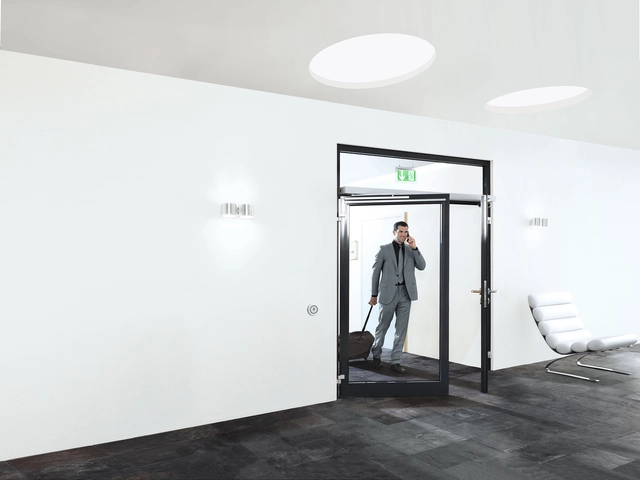
Building design today, and throughout the 20th century, has been significantly shaped by fire safety considerations. Architects today are familiar with the wide range of code requirements for a building to be compliant, from materials, to fire extinguisher locations, to fire-rated walls and doors. As buildings have become better-equipped to withstand fire emergencies, however, modern life has simultaneously increased the amount of fire hazards we live with.
One of the great difficulties we encounter with “classic” plan delineation methodologies are ramp and stair projections. It has always been difficult to avoid calculating the ramp’s slope, as well as the dimensions of the footprint and riser of the communication staircase between two floors of a building. Do they comply with current regulations in my country? Do they adapt to the project standards? Will they be accurately calculated?
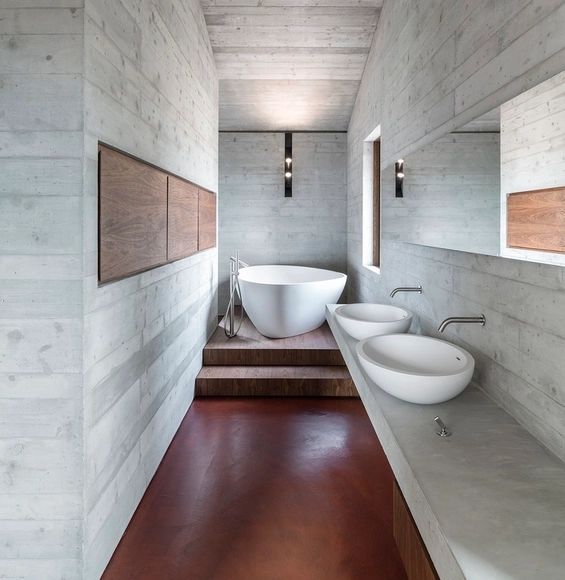
Concrete is one of the top building materials in the world and it is almost impossible not to associate it with architectural structures. However, the so-called brutalist style is becoming more and more popular in interior design, and concrete is replacing the traditional materials used in furniture and countertops, such as wood and stone.
If a person were to imagine a setting of complete relaxation, odds are the first image that comes to mind is a place surrounded by nature, be it a forest, the mountains, the sea, or a meadow. Rarely does one imagine an office or a shopping mall as a source of comfort and relaxation. Still, the majority of people spend almost 80-90 % of their time indoors, going back and forth from their houses to their workplaces.
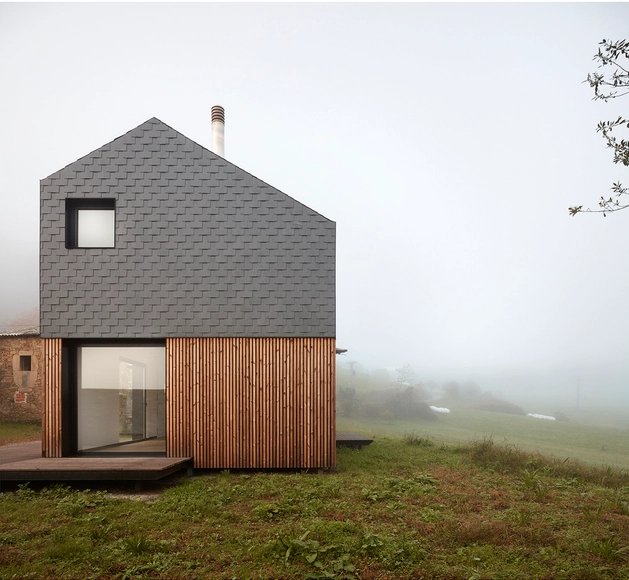
Every child has drawn a house. Perhaps a sunny day with some clouds, a leafy tree, a family with a dog, low wooden fences, or even a car. But in these drawings, they will almost certainly draw a simple rectangle with a gable or hip roof. This archetype of the house appears in virtually all cultures, and even today many architects use it for contemporary projects.
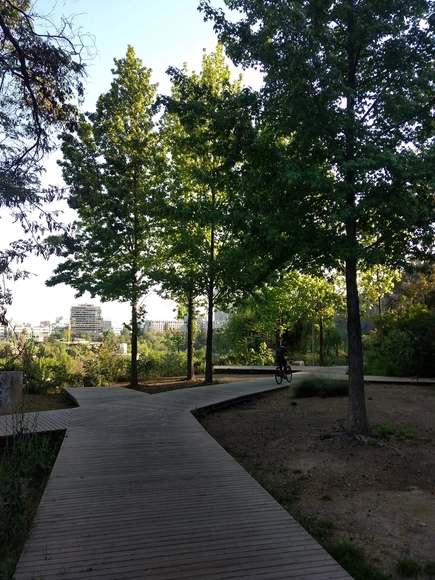
In the early modern period, Taoist monks cultivated Bonsai trees seeking to bring their beauty from the outside to the inside, considering them a link between the human and the divine. Likewise, in the 18th century, different tree-lined walks and avenues arose on the outskirts of some European cities, generating spaces for rest and socialization that were previously non-existent in cities at that time.
Now that we’re all spending much more time inside due to the pandemic, we’ve had a chance to truly understand and appreciate the significant impact that windows can have on a space. Views, sun angles, and orientation of windows are all important considerations when designing a new building - and as pleasant as it is to have a connection to the outdoors, windows can also cause issues like glare and heat gain. Of course no one wants a building with windows only on one side or to have the blinds shut constantly to be able to see their computer screen, so one versatile architectural solution is to shade windows using architectural wire mesh.
Videos
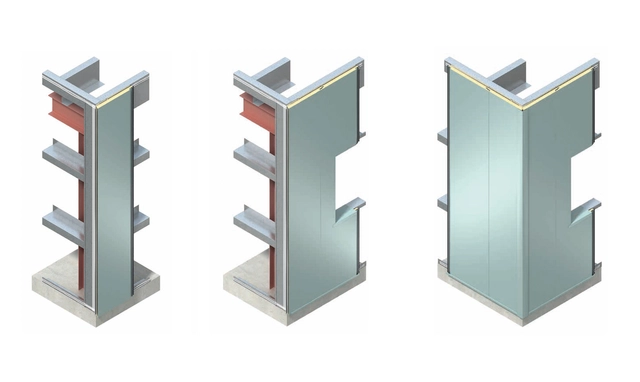
Designwall 2000/4000 / Vertical Installation. Image Courtesy of Kingspan
A building’s envelope is the first thing you notice - its defining feature, before even setting foot inside. While indisputably important, there’s much more going on than just aesthetics when designing one. There are unseen aspects and qualities that make the interior of the building safe and comfortable, which architects are constantly balancing with the visual appearance of the exterior.
If quarantine has brought something positive into the lives of many people around the world, it is the opportunity to change up our daily routines and dive into new activities that we did not have time or energy for beforehand. Learning and delving into topics that interest us or that are related to our work is one of them.
https://www.archdaily.com/936791/free-webinars-to-dive-into-software-materials-and-architectureAD Editorial Team
Cooking shows have never been more popular around the world than they are now. Whether from recipes, reality shows, or documentaries, writer Michael Pollan points out that it is not uncommon to spend more time watching than preparing our own food. This is a very curious phenomenon, as we can only imagine the tastes and smells on the other side of the screen, which the presenters often like to remind us. At the same time, when we watch something about the Middle Ages, polluted rivers, or nuclear disasters, we are relieved that there is no technology to transmit smells across the screen. In fact, when dealing with odors (more specifically the bad ones), we know how unpleasant it is to be in a space that doesn't smell good. When dealing with buildings, what are the main sources of bad smells and how can this affect our health and well-being?
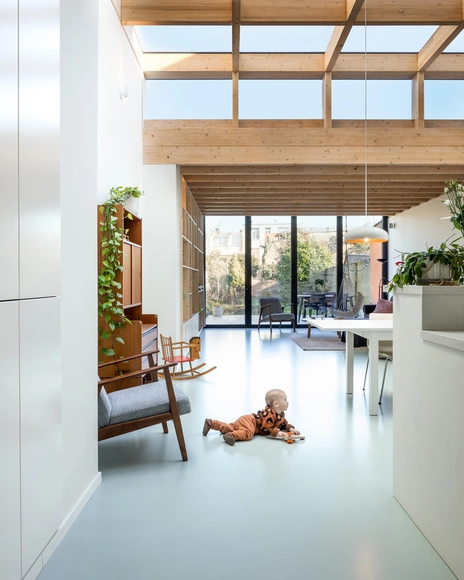
Whether by traditional windows, linear openings in the wall, or skylights, the manipulation and incorporation of natural lighting in architectural projects can render a radical change in interior spaces.
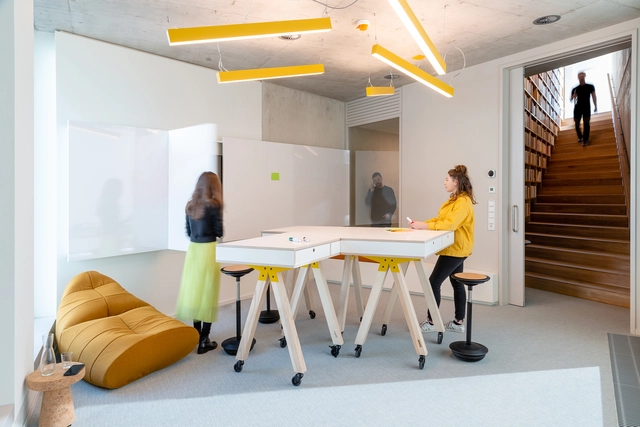
In a time where space grows more and more limited and people increasingly spend time at home, flexibility presents itself as an underutilized strategy of interior design. With flexible furniture, residents can optimize square footage and easily reshape configurations according to specific requirements and shifting needs. Below, we discuss the benefits and variations of furniture on wheels, closing with 7 example projects illustrating their creative and practical application.
https://www.archdaily.com/950641/why-should-we-design-spaces-with-furniture-on-wheelsLilly Cao
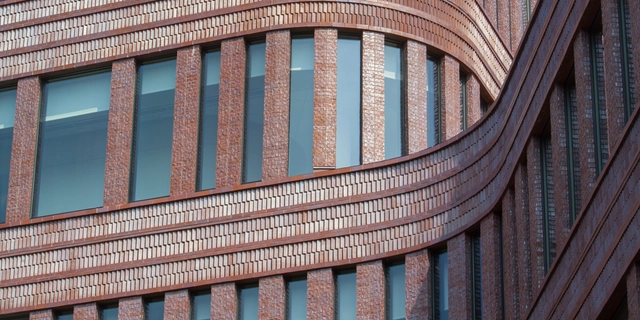
You probably see brick on a daily basis, whether it’s structuring a building, paving the road, or perhaps serving as a fireplace or chimney. But do all these applications use the same type of brick? How are the bricks supporting or being supported? What are these bricks actually made of? Brick’s versatility and ubiquitous nature mean there’s more than one answer to these questions. Even among brick’s most common applications as a building facade and/or structural wall material, there are a variety of types and construction methods employed.
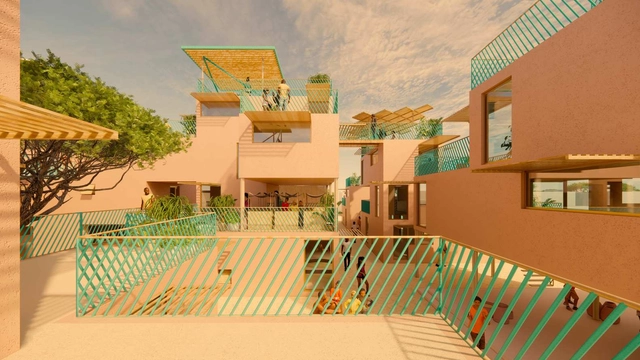
For decades, companies have relied on disposable plastic packaging to bag and contain products worldwide. Today, the staggering detrimental effects of this plastic dependence are well-known: since the 1950’s, over 9 billion tons of plastic have been produced, only 9% of which was recycled; around the world, one million plastic bottles are bought every minute and two million plastic bags are used every minute; and per the Plastic Pollution Coalition, by 2050, the oceans will contain more plastic than fish by weight. Moreover, plastic is a petroleum product, and its production only further contributes to the devastating climate effects of mass fossil fuel use.
https://www.archdaily.com/950213/is-it-possible-to-turn-plastic-waste-into-affordable-housingLilly Cao


.jpg?1602872084&format=webp&width=640&height=580)
.jpg?1605563692&format=webp&width=640&height=580)
.jpg?1603825674&format=webp&width=640&height=580)