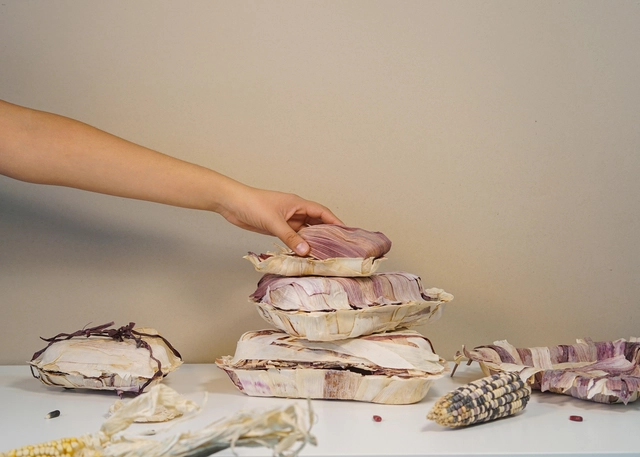
As part of the 14-day design festival that took place in Mexico City, SPACE10 presented the exhibition "Deconstructed Home", with the intention of taking it to different places in Mexico. Five designers were convened and through six intensive weeks of design research and experimentation, they identified and explored new possibilities and uses for the biomaterial of their choice.
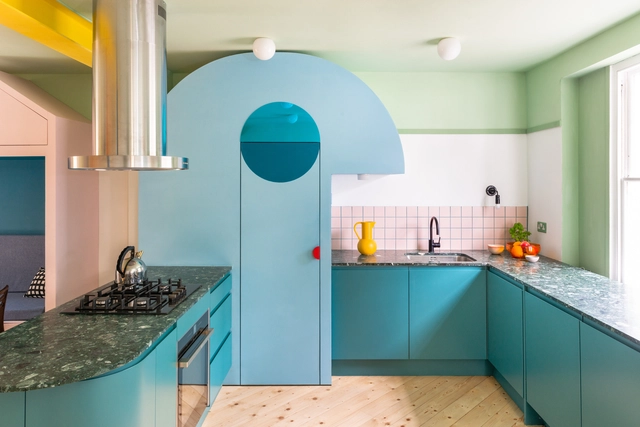
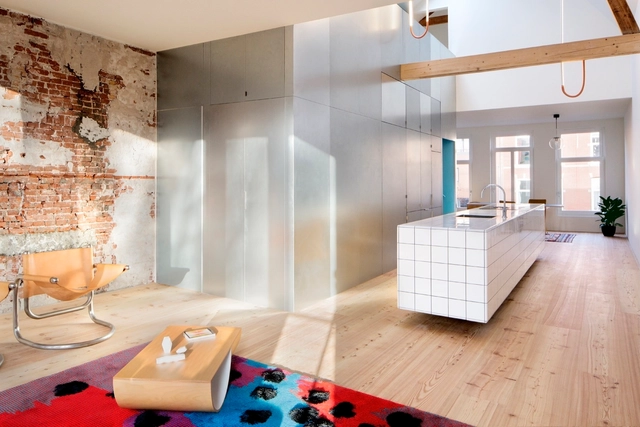
As transitory as trends may be, they always have a way of coming back. We see it all the time in fashion, with clothing pieces we thought were long gone coming back in style and reconquering the market. Interior design is no exception. Although this century has set the ideal on subtle sophistication and simplicity – with white surfaces, clean lines and slick gloss finishes –, bold retro enhancements are reviving in residential and commercial interiors. Whether in the form of vibrant colored walls, floors with intricate geometric patterns or vintage-looking furniture pieces, there seems to be a renewed appreciation for design elements inspired by trends from the second half of the 1900s, particularly from the 50s to the 80s.
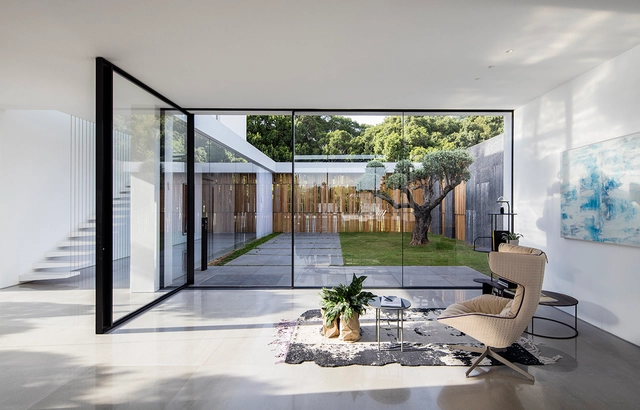
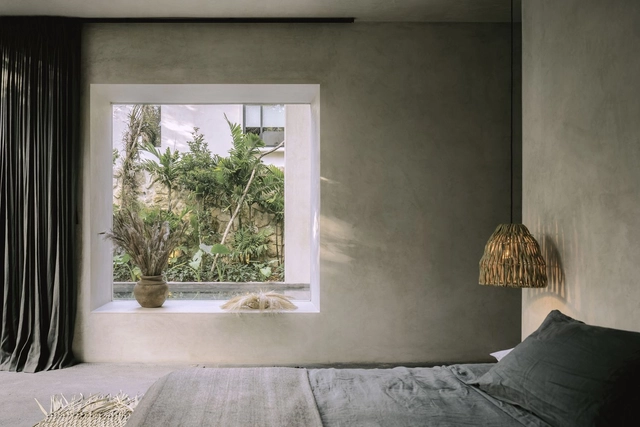
Like a beautiful painting, windows showcase interiors and frame landscapes that connect users to the outside world, directing our eyes to what really matters. But besides framing views and facilitating visual communication, windows serve multiple essential functions that make them vital components in any project. They illuminate homes with sunrays, provide natural ventilation, filter light, insulate from cold and heat, block water and ensure protection. As most design professionals would agree, glazing also plays a crucial aesthetic role; its materials, style and dimensions certainly make a significant difference in the appearance of facades and spaces.
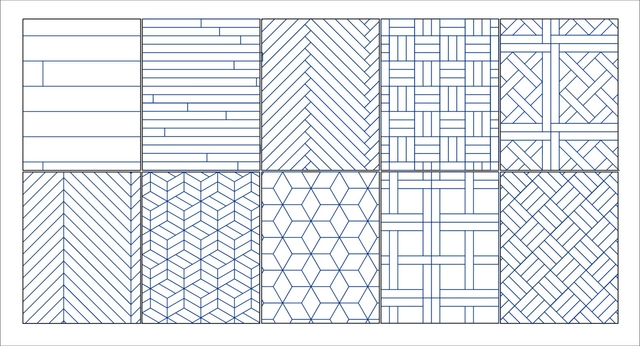
Wooden floors bring warmth, personality and style to any interior space, whether old or new. Rustic and elegant, wood also has excellent thermal properties, a pleasant temperature to the touch, and can even improve the acoustics of a space by absorbing sound waves. They are also highly durable and resistant to daily use. It is therefore no surprise that they are one of the favorite and most coveted materials for residential interiors. Wooden flooring is also very visually appealing, with a huge amount of variations possible in its design. Pieces can vary greatly depending on which part of the trunk they come from, even if they are from the same manufacturer and tree species. Colors and designs also vary according to different tree species, from light yellows to dark browns, with infinite possibilities. In addition, it is possible to create various types of patterns when laying the floor, according to the dimensions of the pieces used and the desired effect for the space. See below a selection of wooden floors in Architonic catalog.
Videos
AXOR Starck. Image Cortesia de AXOR / Hansgrohe SE
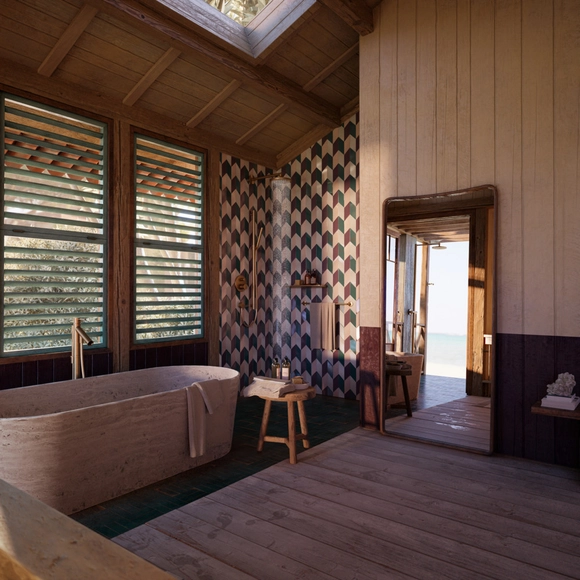
The practice of frequenting public baths was common in civilizations such as the Greeks, Persians and Byzantines, but it was the Romans who popularized their use as places of socialization and purification. These bathrooms were communal and people sat side by side in a collective latrine. The modern bathroom, more similar to what we know today, began with Sir John Harington and his invention of the first flush toilet in 1596. Another crucial advance occurred with Alexander Cummings in 1775, which included a siphon within the toilet to retain gases and odors. But it was only when houses were equipped with running water and effective drainage in the second half of the nineteenth century that the modern private bathroom emerged: a bathroom, a sink and a bath place, which can be a shower or a bathtub. The basics have remained almost unchanged since then, with a few cultural variations in different parts of the world.
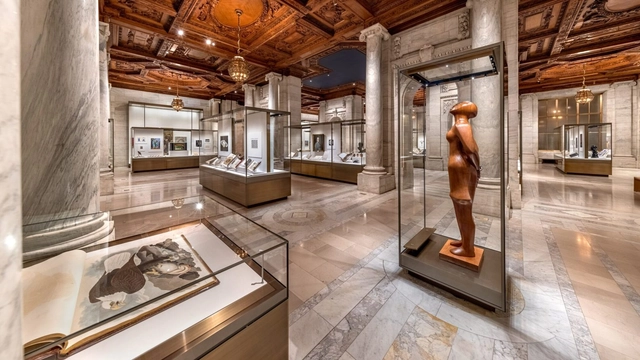
Museums play a key role in the preservation and dissemination of culture and knowledge. They can exhibit works of art, documents, photographs, historical artifacts or even plants and trees. Although today there are entirely virtual exhibition spaces, the primary functions of traditional museums are the conservation and protection of objects, which are invaluable due to their historical relevance, rarity or market value. From simple “Do not touch” signs to tape, security guards, or glass displays, each object receives a type of protection that is in accordance to its needs. These types of protection, in turn, must consider both the safety of the object, whilst also allowing for its appreciation and conservation, creating a controlled environment for the exposed object that preserves it indefinitely.
Now that the effects of climate change are visible and indisputable, consumers are more environmentally conscious than ever. In fact, as a United Nations 2021 study suggests, 85% of them reveal that sustainability plays a key role when making their purchase decisions, motivating businesses and manufacturers to respond accordingly. This explains the rising demand for electric vehicles and products made of renewable or recyclable materials. However, architecture – and especially traditional housing – seems to be several steps behind compared to other industries. Although there are numerous efforts to move towards a greener built environment, the way most buildings are made today continues to be outdated, creating tremendous amounts of waste and significantly contributing to the global carbon footprint.
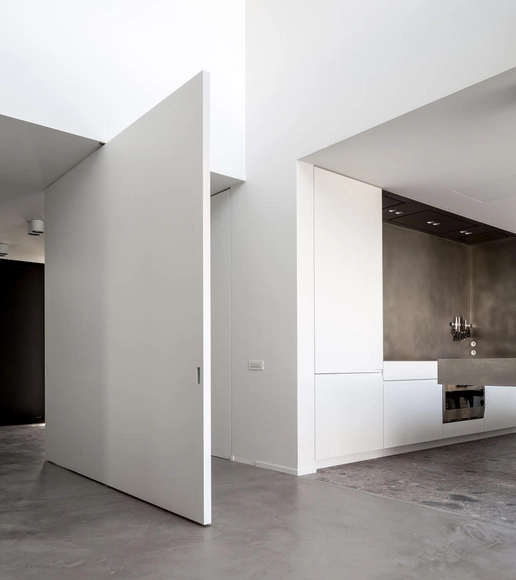
Big White Pivot Door / FritsJurgens. Image Courtesy of FritsJurgens
Interior doors serve multiple purposes in homes, such as providing security and privacy, separating spaces and buffering noise. But besides these obvious functions, they can also set the tone and enhance a room’s aesthetics with their beauty, becoming powerful design features by themselves. They certainly should not be taken lightly when designing any interior space. Considering this impact, architects must take every factor into account when choosing a door, including color, material, style and swinging motion. Dimensions are also important, but tend to be standard as they are limited by the size of the door frame. Usually, they don’t exceed 80 inches (or 203 cm) in height and range from 24 to 36 inches (70 to 90 cm) in width. Recently, however, this has taken a turn in modern design.
Windows are the elements that connect us to the outside world. It is from them that views are framed, privacy, lighting and natural ventilation are defined. Nowadays in the construction market we find different types of openings. Find out how to choose the type that best fits your project needs here.
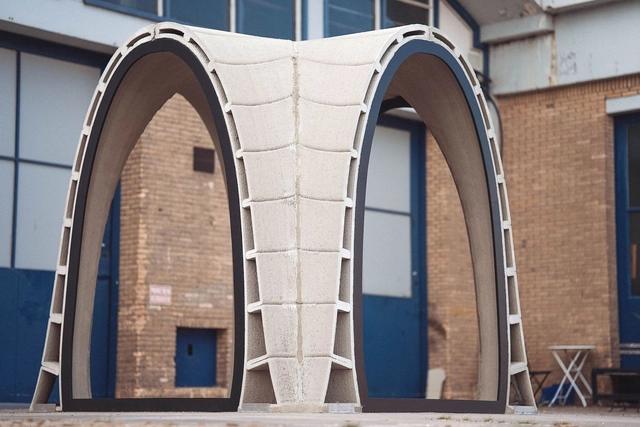
When browsing the 3D printing tag on ArchDaily, it is clear that this technology has developed at an incredibly fast pace. If in the early years we observed the concept as a distant possibility for the future or with small-scale examples, in recent years we have observed entire printed buildings and increasingly complex volumes being produced. Developed by reading a computer file, the fabrication is carried out through additive manufacturing with concrete - or other construction materials - and presents numerous difficulties in providing an efficient process that enables the constructive technique to become widespread. The pavilion printed by the Huizenprinters consortium, for example, illustrates this process well.
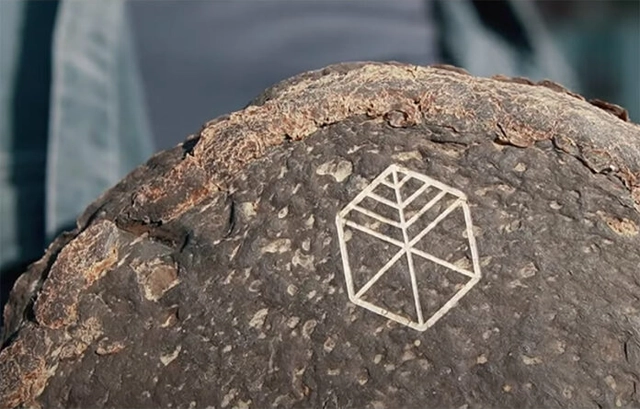
Forests cover about a third of the planet and play a fundamental role for life on Earth. According to Peter Wohlleben, author of the book “The Secret Life of Trees”, through fungal weaves, specimens of a forest can communicate with each other, exchange nutrients, help out the weakest plants, and organize survival strategies, which is essential for the healthy growth of individuals. The preservation of existing forests and the creation of new ones are essential for biodiversity and natural recovery, but also to meet the demand for wood. According to a report by the WWF (World Wide Fund for Nature), it is estimated that the amount of wood harvested in the world will triple by the year 2050, with the increase in population and income in developing countries. In addition, it is estimated that there will be an increased use of wood to manufacture biofuels, pharmaceuticals, plastics, cosmetics, consumer electronics and textiles. Searching for wood substitutes can be a smart path towards a sustainable future, especially if the alternatives are made using waste generated by other industries. Pyrus, for example, is an oil-free wood material produced sustainably with bacterial cellulose waste repurposed from the kombucha industry.
Without a doubt, pivot doors are more in style than ever. Rotating on a vertical axis with nearly invisible components, these swinging doors are characterized by their clean lines, contemporary aesthetic and endless design possibilities – features that make them ideal for a wide array of applications, especially as grand design statements. They particularly stand out, however, for their beautiful and elegant movement that allows smooth transitions between spaces, setting them apart from regular hinged doors. To ensure that this characteristic motion is achieved, two steps are indispensable: selecting high-quality hardware and installing it properly.
Contemporary challenges and developments in technology inevitably trigger changes in the way we design and build our cities. SUMMARY, one of ArchDaily's Best New Practices of 2021, is a Portuguese architecture studio focused on the development of prefabricated and modular building systems. Striking a balance between pragmatism and experimentalism, the firm develops prefabricated solutions in order to respond to a driving challenge of contemporary architecture—to speed up and simplify the construction process. Founded in 2015 by the architect Samuel Gonçalves, a graduate of the School of Architecture of the University of Porto, the studio has presented at prominent events such as the 2016 Venice Biennale. We talked with Samuel about the firm's practical experience in prefabrication and modulation, as well as their experiments and forays into research.
Since the early 2000s, it has been widely reported that the construction industry accounts for nearly 40% of the planet’s CO2 emissions. The role of interiors in that percentage has been historically underestimated, with common statistics suggesting that a project’s furniture, fixtures and equipment are only responsible for about 7 to 10% of its overall carbon footprint. However, new research notably indicates the contrary: in a building’s average life span, the carbon footprint of its interiors will equal – if not exceed – that of the structure and envelope. Interior design, to the surprise of many, has actually been doing great harm.
BUGA Pavilhão de Fibra / ICD/ITKE Universidade de Stuttgart. Image Cortesia de ICD/ITKE University of Stuttgart
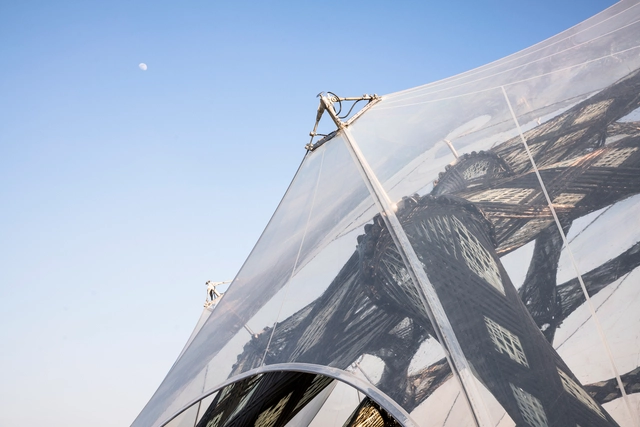
Let us return to the first architecture class on structures and the classification of structural efforts. In most structures, whether natural or man-made, compression forces are the primary actors. These are efforts undertaken with equal and opposing loads, applied in the interior of the structure, which tend towards the shortening of the piece in one direction - or compressing it, as the name indicates. It is not difficult to find examples of this: for example, a stone wall or a wooden log can resist the weight of a covering through internal compression efforts that are inherent to each material. Tension efforts, on the other hand, tend to lengthen components in the direction of the applied force of action. Steel, for example, is a material with good tensile strength. It is used in reinforced concrete precisely in the parts where the piece is in traction. But it is also possible for a structure to only have tensile parts, as is the case of membrane, tensioned, or tension structures, which consist of surfaces pulled by the action of cables or ropes in which the masts absorb compression efforts.
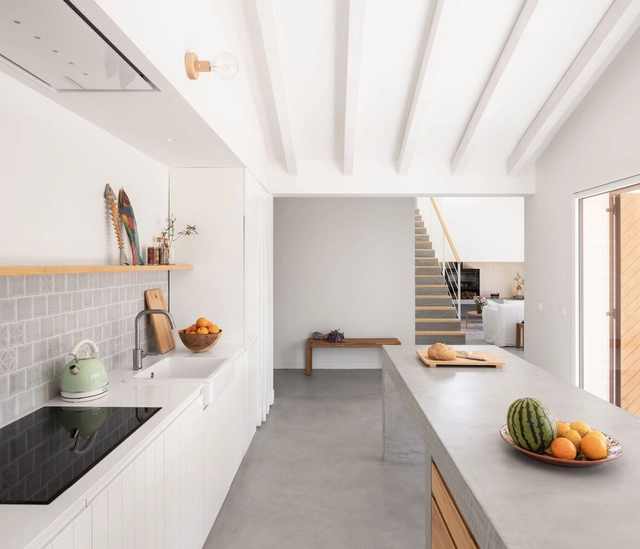
Kitchens as we know them today have functionality as their main feature and for that their space was historically organized from an industrial logic. The development of home appliances and the precise definition of the layout guarantee a functional floor plan and the optimization of work in the kitchen. As part of this layout we find the worktops, horizontal half-height surfaces that have multiple uses and, therefore, many possible configurations.
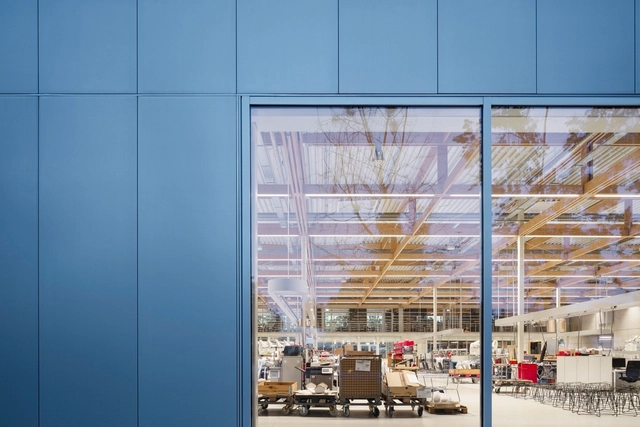
Metal façades give buildings an air of sophistication and modernity. They also bring a cleanness to the façade, due to their precise fabrication and well-resolved connections between other materials and building elements. There are currently multiple product options available for coatings, offering extensive colour options, including metallics, with different levels of durability (natural aging and corrosion). One of the main issues when approaching metal façades is the risk of corrosion, which can create points of weakness in the material and interfere with the aesthetics of the building. So, with this in mind, what do architects need to focus on to ensure that building envelopes age gracefully, while maintaining aesthetics and performance over time?
Islands are an essential part of any larger kitchen layout, increasing counter space, storage space, and eating space as well as offering a visual focal point for the kitchen area. Serving a variety of functions, they can be designed in a variety of different ways, with some incorporating stools or chairs, sinks, drawers, or even dishwashers and microwaves. To determine which elements to include and how to arrange them, designers must determine the main purpose or focus of the island. Will it primarily serve as a breakfast bar, a space to entertain guests, an extension of the kitchen, or as something else? And with this function in mind, how should it enhance the kitchen workflow vis-à-vis the rest of the area? These considerations, combined with basic accessibility requirements, necessitate that the design of the island be carefully thought out. Below, we enumerate some of the essential factors of kitchen island design.
https://www.archdaily.com/937416/how-to-design-functional-and-multipurpose-kitchen-islandsLilly Cao