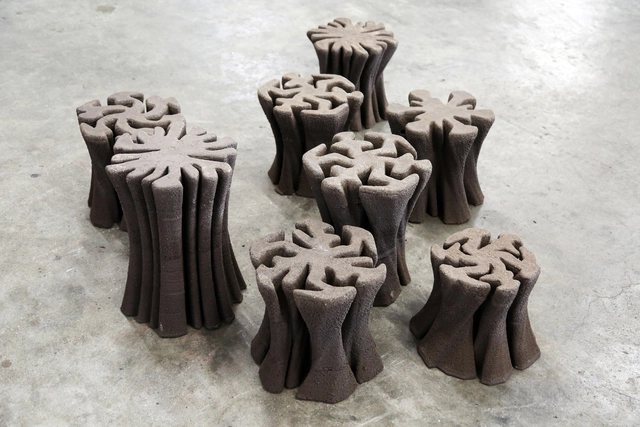
As humanity becomes aware of its impact on the environment, it has also sought ways to reverse some of the harm caused to fauna and flora, especially in cities. Our way of living, consumption and construction has caused severe damage to nature. In fact, according to a study from the Weizmann Institute of Science, we are at a point of inflection where the mass of all man-made materials is equal to the planet's biomass, and it should double by 2040. But not necessarily everything we build should have a negative impact. "The Tidal Stool" project is an example of this - part of a comprehensive revitalization project in Kuk Po Village in Shau Tau Kok in Hong Kong, which brings together two different ecologies, the anthropocentric and natural environment.
Choosing a career as soon as we leave high school can be somewhat challenging and even tormenting. Although it has been said that in the future it will be common to change careers or have various overlapping jobs, the fear of making the "wrong" choice causes many soon-to-be graduates to lose sleep. Having a good overview of what each profession entails is important to understand whether or not it is a good fit, especially in creative areas or newer and more dynamic professions. Architecture, for example, is a career that is well known for covering several areas - from mathematics to art history - but also for requiring many hours of dedication, critical thinking and mastery of computational tools. To give prospective students a taste of the experience of being an architect or an architecture student, Design Immersion Days (DID) is a four-week immersive summer program for future high school graduates to experience the world of design and architecture.
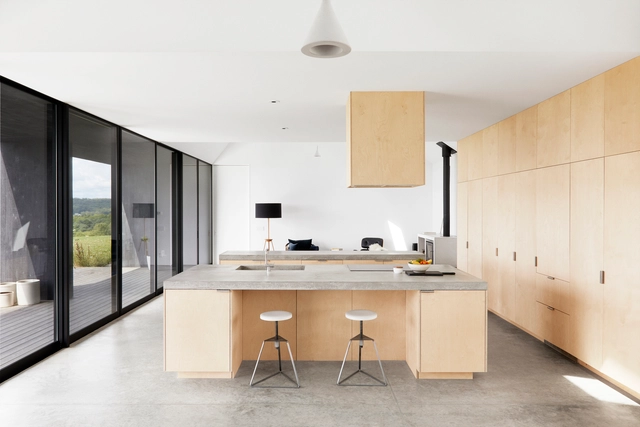
In addition to their aesthetic appeal, the use of raw materials can save resources by bypassing the use of additional coatings and processes. This type of solution was most commonly used in utility buildings, such as infrastructure, factories, and warehouses. Exposed concrete floors, for example, were primarily found in industrial spaces, parking lots, and gas stations. However, they are increasingly being used in structures of different programs due to their appearance, durability, resistance, and vast possibilities for finishes. But what are the main factors to be aware of when using a concrete floor for a project?
https://www.archdaily.com/933296/polished-concrete-floors-18-projects-that-combine-aesthetics-durability-and-ease-of-executionEduardo Souza e Matheus Pereira
Most of us use stairways every day, but few times do we stop to contemplate their design or put much thought into their function. With their steps, treads and railing, they are easily one of the most fundamental architectural elements in any home. Apart from providing a safe, simple and easy access from one floor to another, it is through staircases that architects create unique spatial forms and strong visuals. From afar, one can observe people moving up and down repeatedly; from within, the user is treated to new angles and ways to perceive a space. Therefore, good staircases are more than just means of vertical circulation. Through their might and scale, they can become the protagonist of a space – a design focal point that rises to the level of art. In this article, we present their versatile characteristics and material qualities through a selection of inspiring examples, all of which can be found in Architonic's 'Staircases' section.
Upon becoming a sovereign country, free from British Rule, the people of India found themselves faced with questions they had never needed to answer before. Coming from different cultures and origins, the citizens began to wonder what post-independence India would stand for. The nation-builders now had the choice to carve out their own future, along with the responsibility to reclaim its identity - but what was India's identity? Was it the temples and huts of the indigenous folk, the lofty palaces of the Mughal era, or the debris of British rule? There began a search for a contemporary Indian sensibility that would carry the collective histories of citizens towards a future of hope.
Charles Darwin's theory of natural selection sought to explain the origin and survival of species on the planet. In short, it points out that the fittest organism survives and can reproduce itself, perpetuating useful variations for each species in a given place. Adaptation is, therefore, a characteristic that favors the survival of individuals in a context. In the construction world, we could draw some parallels. Could adaptation be an important quality to increase the useful life and efficiency of a building over time, considering the changes and demands of society, as well as technologies and lifestyles?
Whether in a compact studio in Hong Kong or in a Michelin-starred restaurant, kitchen design requires special attention in order to make the act of preparing food a pleasant experience; with adequate space for all necessary functions and without the need for useless movements. The theory of the “golden triangle” or “kitchen work triangle” was conceived 100 years ago but remains valid and helpful in the definition of layouts and the organization of functions. Basically, the three main elements of the kitchen should be located at each end of the triangle: the sink, the refrigerator and the stove, with their respective functions in cleaning, storage and cooking. According to its principles, each side of the triangle must be between 1.20 and 2.70 meters long, and the perimeter should not be less than 3.96 meters or more than 8 meters.
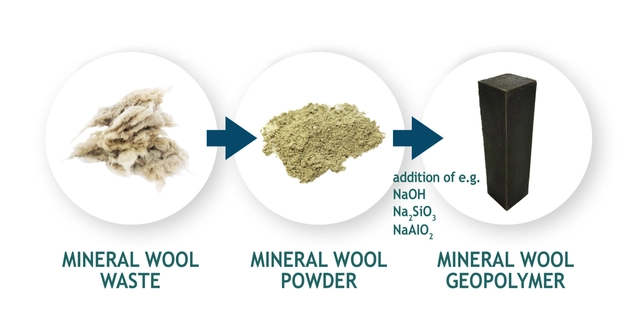
When approaching the process of recycling building materials, there are a number of obstacles to achieving a comprehensive and effective result. First, careless demolition can make the process very complex, as products with different recycling products are often mixed. In addition, not all materials can be efficiently recycled or processed, as many still need expensive or overly complex processes. But the construction industry, being a huge contributor to waste production and greenhouse gas emissions, has also developed multiple new technologies to improve its practices. This is the case of the WOOL2LOOP project, which seeks to solve one of the biggest challenges in applying a circular approach to construction and demolition waste.
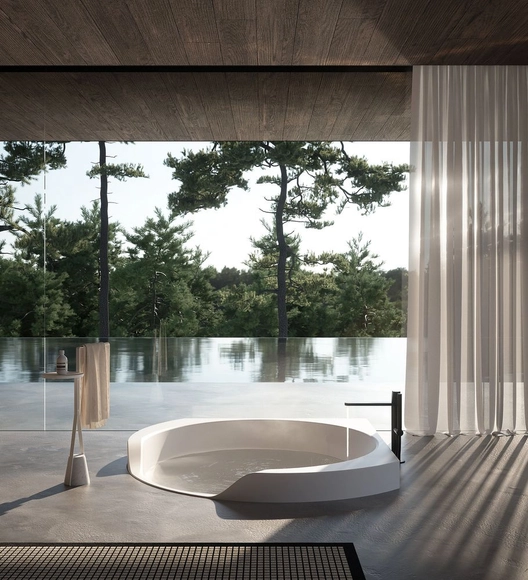
Throughout the years, bathrooms have been viewed as purely functional spaces strictly programmed for hygiene and privacy. Becoming smaller and more practical, the utilitarian, space-saving shower stall has often been considered the norm, pushing the bathtub into obsolescence or as an additional luxury for those with extra space (and money). Recently, however, as lifestyle changes driven by the pandemic have placed wellness as a top priority, the notion of the bathroom as a sanctuary has really taken hold. Contemporary bathrooms have thus been reimagined, shifting towards open spaces of relaxation, comfort and recuperation. And tubs – with their inherent meditative nature – have returned to the spotlight.
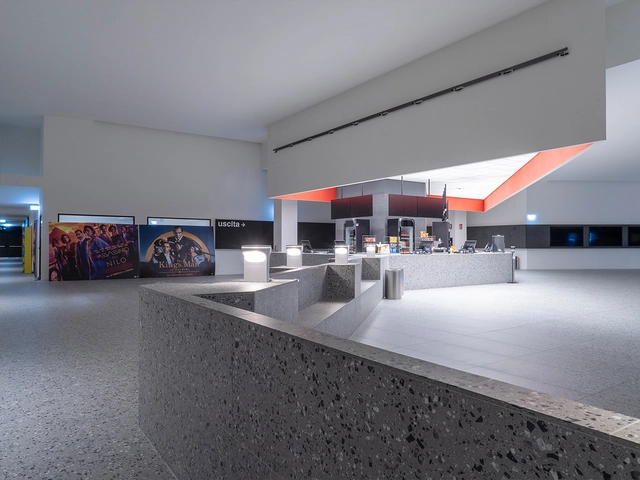
Arcadia Cinema / DW9. Image Courtesy of Iris Ceramica Group
In the context of the pandemic, where several businesses were forced to close temporarily, movie theaters across the world were among the most affected. Fast forward more than two years later, and the lingering effects of COVID-19 are still present, marking a turning point in the traditional cinema experience. But even as attendance is still not close to pre-pandemic levels, certain segments of moviegoers are enjoying the benefits of the giant screen, comfortable seats, massive speaker systems and theater snacks.
Have you ever heard of neuroarchitecture? What would spaces look like if architects designed buildings based on the emotions, healing and happiness of the user? Hospitals that help with patient recovery, schools that encourage creativity, work environments that make you more focused…
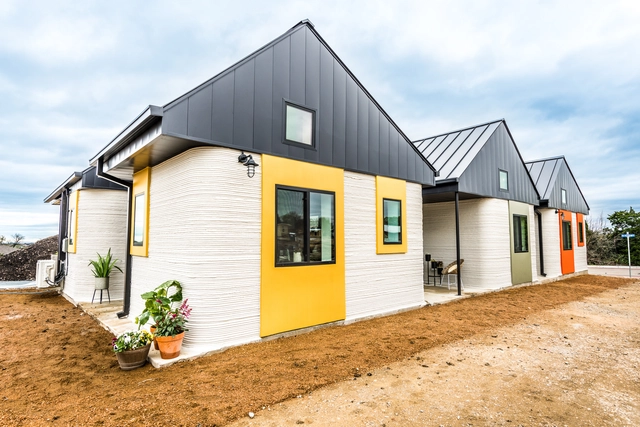
In recent years, the construction industry has faced unprecedented challenges. A lack of skilled workers is driving up costs of labor, there is a global housing shortage, and the effects of climate change around the world are clearer than ever. Therefore, questioning traditional construction methods and pushing the limits of innovation has become a top priority, forcing the industry to implement new technologies as they get on board the digital transformation era. There is one innovation, however, that looks particularly promising: 3D construction printing. Although relatively recent, the technology has already been successfully tested in numerous structures, houses and apartment buildings, reshaping residential construction as we know it. Hence, 3D printing could very well be a viable alternative for more efficient, sustainable and cost-effective mass housing solutions in the near future, positively impacting people’s lives and contributing to greener, healthier cities.
Looking ahead to the future of our built environment, a one-size-fits-all approach simply won’t do. Issues like rising sea levels, temperatures, and water scarcity in urban communities need localized solutions that take into account questions of sustainability, culture, and public health. Having investigated vernacular infrastructure across indigenous communities for her book Lo-TEK. Design by Radical Indigenism, designer Julia Watson is an expert in local, nature-based technologies that are inherently adaptable and resilient. We talk to her about the future of our cities, building materials, and her latest project for Our Time on Earth – a five year, world-touring exhibition that just opened at London's Barbican Centre to investigate how radical, collaborative ideas for the way we live can get us to a much improved place by 2040.
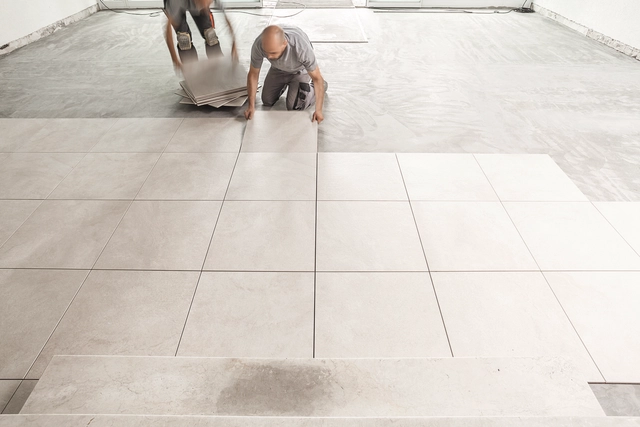
Flooring can either make or break a space. With the proper design, it can enhance a room’s design, mark a good first impression and positively impact user experience. However, because floors must withstand damaging conditions such as exposure to moisture and heat, constant foot traffic and heavy furniture movement, it is only natural for them to degrade over time. As a result, renovating floors is crucial to maintain interiors in a good state, especially those with a lot of use.
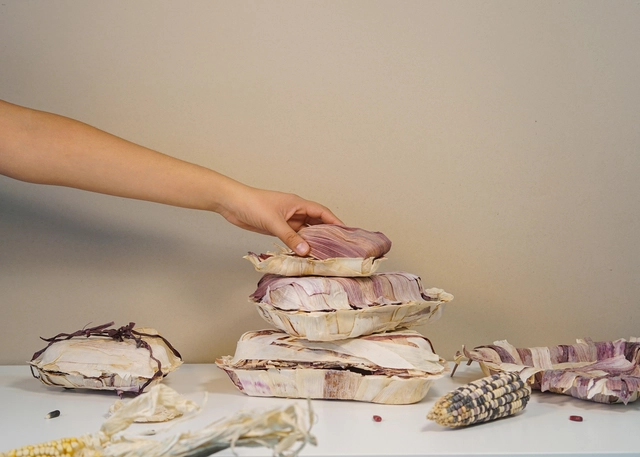
As part of the 14-day design festival that took place in Mexico City, SPACE10 presented the exhibition "Deconstructed Home", with the intention of taking it to different places in Mexico. Five designers were convened and through six intensive weeks of design research and experimentation, they identified and explored new possibilities and uses for the biomaterial of their choice.
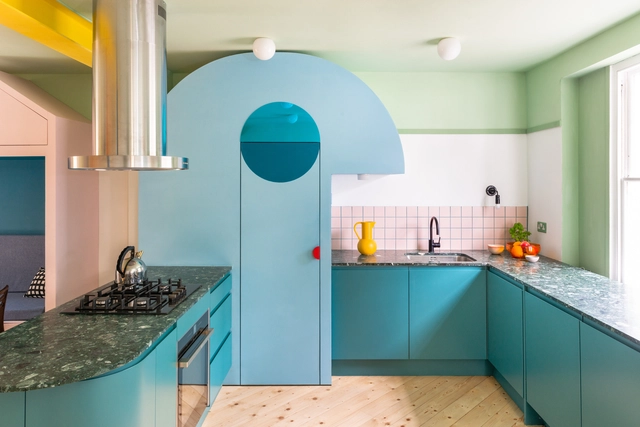
As transitory as trends may be, they always have a way of coming back. We see it all the time in fashion, with clothing pieces we thought were long gone coming back in style and reconquering the market. Interior design is no exception. Although this century has set the ideal on subtle sophistication and simplicity – with white surfaces, clean lines and slick gloss finishes –, bold retro enhancements are reviving in residential and commercial interiors. Whether in the form of vibrant colored walls, floors with intricate geometric patterns or vintage-looking furniture pieces, there seems to be a renewed appreciation for design elements inspired by trends from the second half of the 1900s, particularly from the 50s to the 80s.
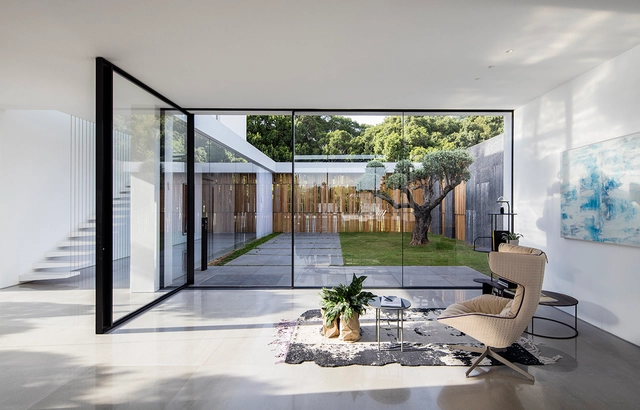
Like a beautiful painting, windows showcase interiors and frame landscapes that connect users to the outside world, directing our eyes to what really matters. But besides framing views and facilitating visual communication, windows serve multiple essential functions that make them vital components in any project. They illuminate homes with sunrays, provide natural ventilation, filter light, insulate from cold and heat, block water and ensure protection. As most design professionals would agree, glazing also plays a crucial aesthetic role; its materials, style and dimensions certainly make a significant difference in the appearance of facades and spaces.



.jpg?1654265144&format=webp&width=640&height=580)