The Dance of Surfaces: Uneven Floors and Human Balance

Subscriber Access | 

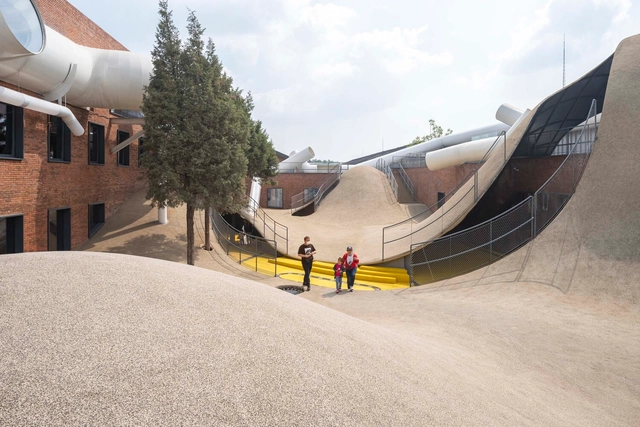
"The flat floor is an invention of architects. It suits machines, not humans." Inspired by the Viennese Secessionists and Austrian artists Egon Schiele and Gustav Klimt, as well as bold Gaudinian forms, the author of this phrase, Friedensreich Hundertwasser (1928-2000), was a prolific painter, sculptor and architect. His works are marked by the dualities between discipline and indiscipline, the predictable and the unexpected, rational and irrational. In his creative adventure, Hundertwasser was not just an enemy of the straight line. He despised architectural rationalism, claiming fluid forms and striking colors.
What is Steel Slag Concrete?

Subscriber Access | 

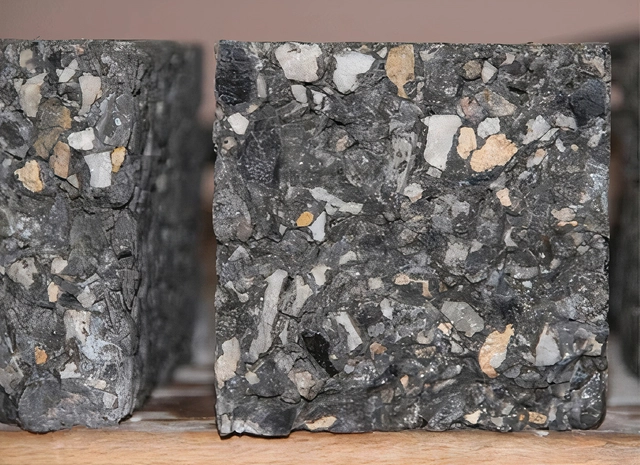
The construction industry is one of the largest in the world, and cement and concrete are literally the building blocks of its success. Evolving from prehistoric caves to today’s towering skyscrapers, concrete structures have and will continue to be vital components of modern civilization, providing long-lasting, reliable support for buildings, roads, bridges, tunnels and dams. So much so that concrete is the most consumed material on Earth, second only to water, while the steel used to reinforce it is by far the most commonly used metal. But this doesn’t come without high environmental costs: concrete accounts for 8% of global CO2 emissions, much of which come from the extraction and transportation of aggregate materials such as sand, gravel and crushed stone.

White Atmospheres: Creating Calm Spaces with Fabric Partitions

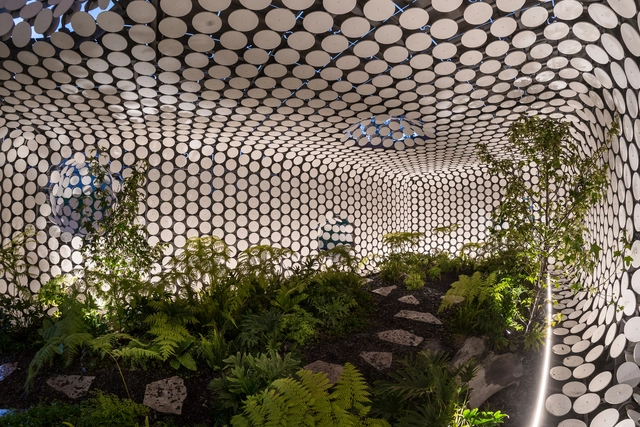
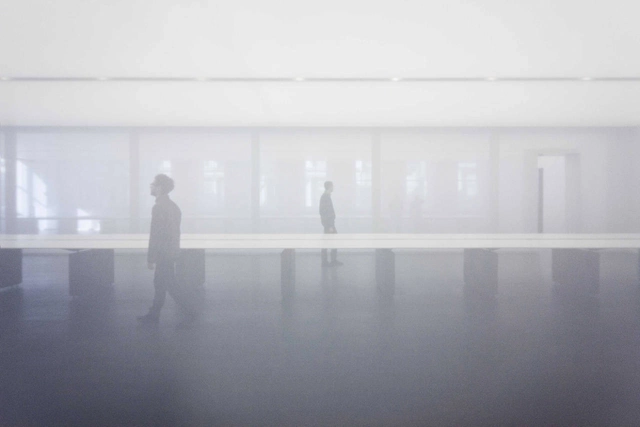
In the heyday of high modernism, architects such as Le Corbusier and Mies van der Rohe extolled the aesthetic value of whiteness, which they viewed as connoting purity and simplicity. Mies van der Rohe’s Farnsworth House, for example, paired the stripped-down whiteness of its structural skeleton with expansive floor-to-ceiling windows, using the enveloping natural light to further elevate the already heavenly aspirations of the space. Today, some contemporary architects and designers have evolved the sublime aesthetics of white high modern architecture by using translucent fabric partitions, complementing the purity of the white walls with the fabrics’ ethereal play of light and shadow. Below, we discuss different design strategies for working with white fabrics in this way, and include two examples of projects that have used translucent fabrics in soothing but innovative ways.

Edible Cement: Innovative Material That Uses Food Waste in Civil Construction

Subscriber Access | 

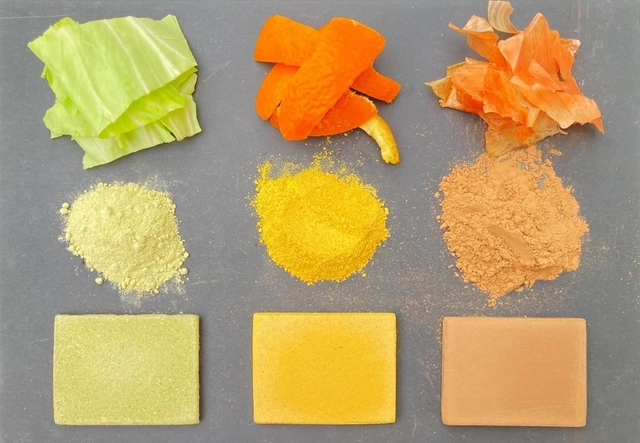
Add cabbage leaves, orange peels, onions, bananas and a few slices of pumpkin to get... cement. That's right, researchers from the University of Tokyo in Japan have developed a technique through which it is possible to produce cement from food waste. Besides being used in construction, the innovative initiative is edible as well. You can make boiled cement into a delicious meal by adjusting flavors, adding seasonings, and breaking it into pieces.

Spanish Architects Create Moisture-Absorbing Mortar from Construction Waste

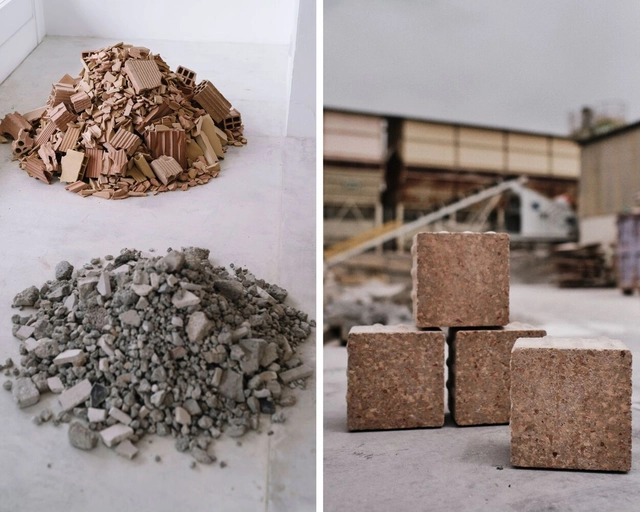
Cities are filled with waste materials and the need to reuse existing resources has become key in fighting the increase in waste production. More than a third of all the waste generated in the EU comes from construction and demolition, containing different materials such as glass, concrete, bricks and ceramics. But how to manage this staggering amount of waste production from construction? According to the Spanish Law on Waste and Contaminating Soils, concrete and ceramic waste with no considerable processing can both be reused in construction . By combining reused material waste with technology, architectural design can create innovative solutions that contribute to minimizing environmental impact.

10 Innovative Cabins That Experiment With Their Materials

Subscriber Access | 

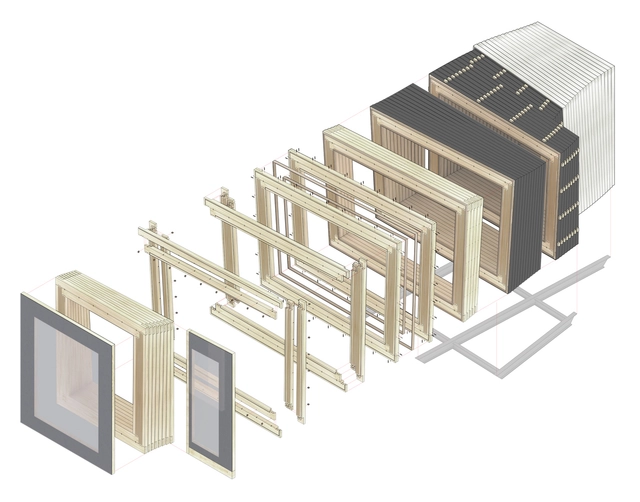
While the traditional image of the cabin is one of a rustic wooden home located far away from any trace of society, architects have been experimenting with these conventions alongside newer material and technological considerations to push the boundaries of the ‘cabin’ today. Whether it is by reimagining the aesthetics of the cabin, utilizing advanced fabrication techniques to modernize the rustic, or even reconfiguring the log cabin for the city setting, architects and designers have utterly transformed traditional cabin architecture for a more contemporary existence. Below, we consider 10 innovative cabins that achieve this transformation through experiments with different materials and construction technologies. While each explore different strategies and functions, many share similarities in their use of prefabrication systems, their dedication to sustainability, and their close attention to and optimization of specific material properties.

Local Inspiration for Contemporary Design: Hilton Singapore Orchard

 | Sponsored Content

Focused on bringing spaces back to life, Avalon Collective takes a pre-existing building and transforms it into a contemporary hotel that relates to the locality and origin of Orchard Road, while capturing its modern retail context. Through a consistent design language and spirit that incorporates history and regeneration, the new Hilton Singapore Orchard has been selected among the five winners of the 2022 Best of Globe Winner.

Refurbishment: Reviving Historic Copenhagen with Modern Design

 | Sponsored Content

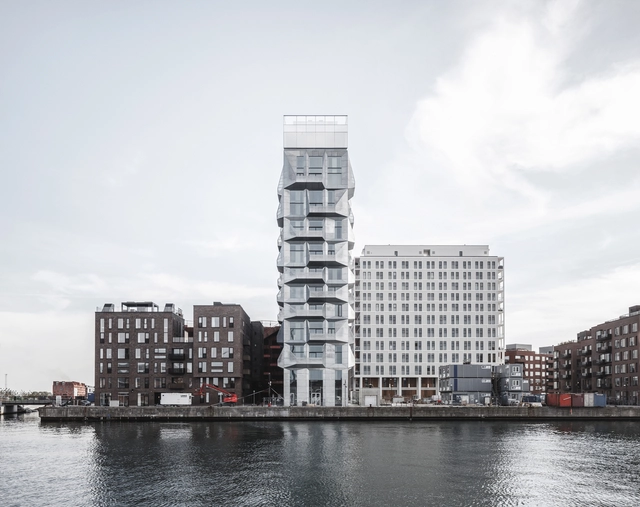
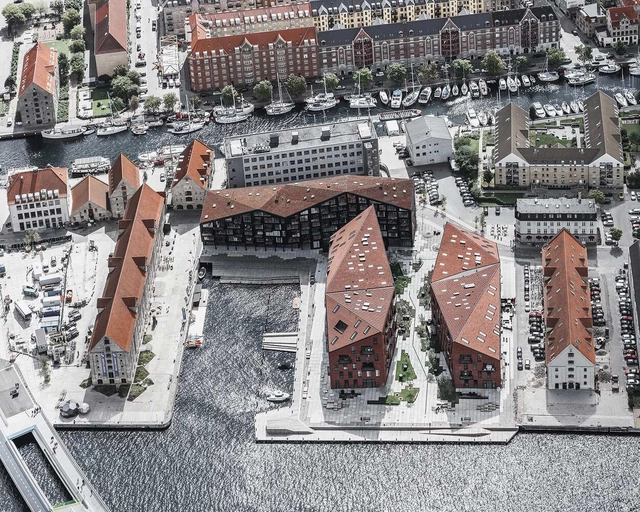
Historically home to vikings, kings and queens, Copenhagen is a vibrant city that mingles contemporary architecture with traditional waterways, narrow cobblestone streets, old timbered houses and ancient castles. Filled with history, its buildings embody a historic legacy that traces the memory of all the characters, epoques and events in which the city has passed through. How to keep all this history alive? By refurbishing traditional buildings within modern design, Copenhagen respectfully enjoys its historical architecture while adapting to current trends.

Are You Sitting Comfortably? Tips for Choosing a Work Chair

Subscriber Access | 

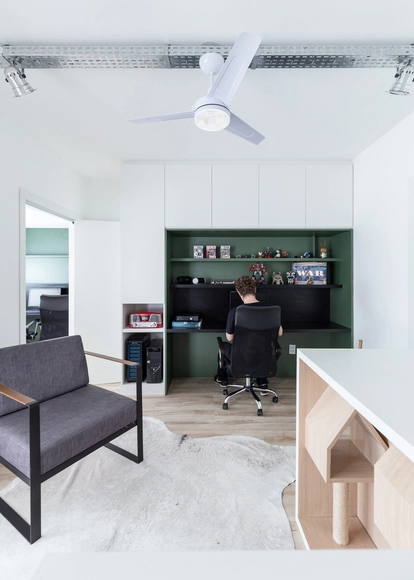
Are you sitting comfortably right now? OK, I'll wait a few seconds so that you can adjust your posture and we can continue the text. As much as we all know that our backs should be upright, shoulders back and glutes against the back of the chair, as soon as we stop paying attention, we tend to let our body slide down the chair until our spine takes the shape of a big question mark. This can lead to various posture and circulation problems, chronic pain, and increased fatigue after a long day, week, month, or years of work. But know that you're not alone, and it's not (necessarily) your fault. What elements make a chair comfortable? How can they help you maintain a proper posture for longer? Is it possible to have design and comfort in the same product? In this article we will try to answer these questions and show some examples from the Architonic catalog.

Adding Fresh Hanging Gardens to Residential Architecture

Subscriber Access | 

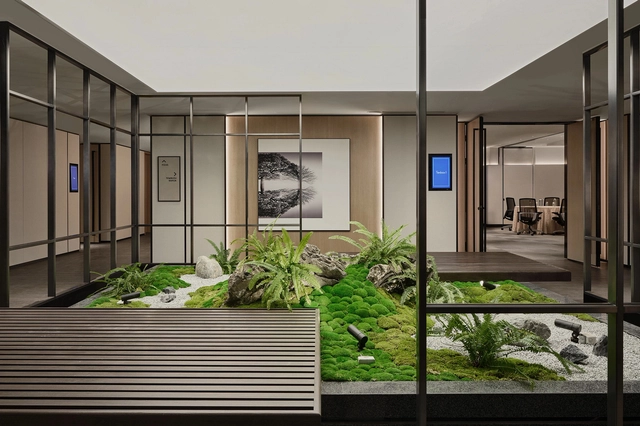
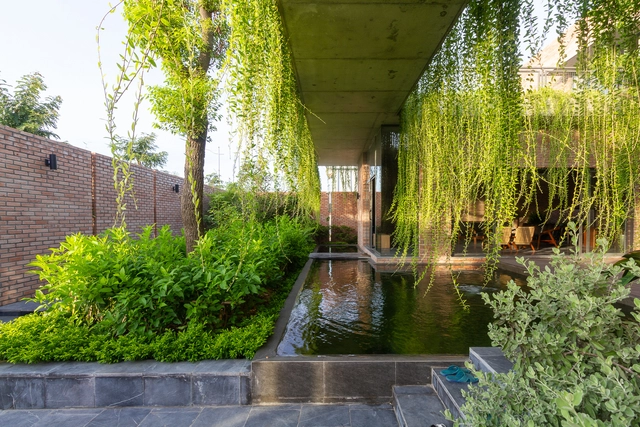
If ancient Hellenic sources are to be believed, hanging gardens have existed at least since antiquity when the famous Hanging Gardens of Babylon were described by writers such as Herodotus and Philo of Byzantium. Today, vertical gardens have proliferated alongside the interest in indoor plants and gardens, especially in suitable climates. This trend in architecture reflects a simultaneous uptick in interest toward sustainability and a more pastoral, back-to-nature lifestyle. In the projects listed below, several of the architects mention moving forward from an industrial past—with its concomitant environmental effects—toward a better future, or at least a secluded, fresh, and natural outpost amidst the chaos of modern city life. Indoor gardens, and the visual allure of hanging plants and climbing vines, provide the setting for such a life. These vertical designs simultaneously conserve space and embed the plants within the atmosphere of the house, ensuring the space feels as much like a garden as it does a comfortable home.

Is Roman Concrete Self-Healing? Research Reveals the Reason for Its Long-Lasting Durability

Subscriber Access | 

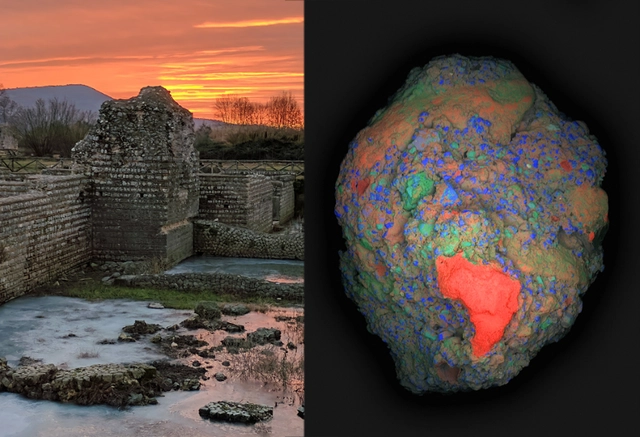
Roman aqueducts built more than 2,000 years ago are still in operation. The Pantheon in Rome remains the largest dome made of unreinforced concrete in the world, with a diameter of 43.3 meters. At the same time, it is not unusual to see structures less than a decade old collapsing. Understanding why Roman structures remain standing has been the subject of studies by many researchers around the world. Why, even in hostile environments such as coastlines or seismic zones, do these structures remain intact? Is there some miraculous material or method that has been lost in history? An international group of researchers led by the Massachusetts Institute of Technology (MIT) has shed light on these questions, discovering that these structures had a previously overlooked capacity for self-healing, and the potentially huge environmental impact it can have, to create more durable concrete structures in the future.

Clean Angles: Designing Façades with Miter Seam Corners

 | Sponsored Content

A metal façade introduces a visually appealing architectural element on top of a built insulation system, such as a vapor barrier, insulation board, and structural supports. Known for their versatility, durability and elegant, clean finishes, metal claddings can be used for both roofing and walls to deliver a long-lasting and eye-catching finished product made from natural materials such as aluminum, copper, zinc and steel. Regardless of which system is used to fix the panels (concealed clip system or exposed fastener system), a façade can be made from a variety of profiles and colors for unlimited design options.

Low-Tech Solutions for Complex Demands: An Interview with Architect Henry Glogau

Subscriber Access | 

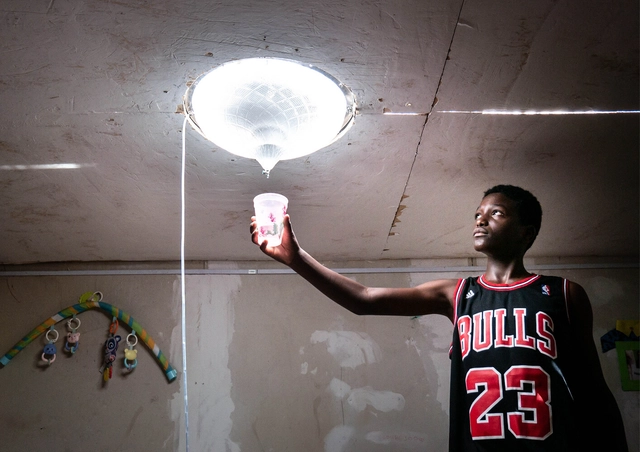
In October, the ArchDaily team spoke with Henry Glogau during his stay in London, where he was working on a number of projects. At only 26 years old, his resume includes an impressive amount of international awards, which he has received for the relevance of his work to issues both so basic and urgent for humanity: access to potable water, sanitation and quality of life. Born in New Zealand, Henry moved to Copenhagen in 2018 to study at the Royal Danish Academy and for the past two years has been working at the 3XN GXN office as an architect in their innovation unit, alongside a multidisciplinary team. Below, read the conversation we had about some of his projects, his beliefs about the role of architecture, and his views on our responsibility to the planet.

Could Salt Be a Material of the Future? Innovating with Crystallized Salt Panels

Subscriber Access | 

Sodium chloride, most commonly known as salt, is everywhere. Ancient in its uses and abundant in nature, it preserves local ecosystems, de-ices roads, is vital in a variety of industrial processes, and is likely sitting on your kitchen table as a seasoning for your meals. Today, it is attributed relatively little value –considering it used to be as worthy as gold–, and unlike other nature-derived alternatives such as algae or mycelium, there doesn’t seem to be enough research and interest around all of its physical, mechanical or aesthetic properties. And yet it is a material with infinite, extraordinary potential. Apart from its life-supporting qualities, salt is affordable, easily available, antibacterial, resistant to fire, can store humidity and heat, and is great at reflecting and diffusing light.

Valuing Memory While Adapting to Contemporary Needs: Sede Insole Energia by Mobio Arquitetura

 | Sponsored Content

There are many challenges when working with renovations: adapting spaces that were not necessarily designed for a particular program, adding new uses for rooms and modernizing the building in order to make it compatible with contemporary demands. This was the case of Mobio Arquitetura's project for the headquarters of a solar energy fintech company, which sought to value the memory of the historic building while adding a new layer of contemporary and technological infrastructure designed for the comfort, usability and productive coexistence of the new occupants. The office has been selected among the five winners of the 2022 Shaw Contract Design Awards "Best of Globe".

How to Use Color to Accentuate Architectural Designs

Subscriber Access | 

When organizing the elements, materials and colors of an architectural layout, architects can successfully guide users through a room and its different spaces, therefore creating an easy and seamless trajectory for those inhabiting it. By exploring innovative strategies to create new ways of arranging a space, architecture can use color to boost certain aspects of a project’s scheme. The use of color in architectural design combines different factors beyond aesthetic preferences by also affecting the user’s emotions and behavior. Before launching into the color selection, the design process entails certain decision making, such as which architectural elements to highlight, if there is a zonification or division of spaces within the use of colors, the creation of focal points, and the consideration of how each color is associated with a determined mood.

The Circular Potential of Fiber Cement Cladding

 | Sponsored Content

Sustainable cities demand sustainable solutions, which imply the development of a new mindset for the reformulation of conventional creation processes. Within the fight against climate change, the circular economy concept is known as a key factor for the sustainable solutions of the future. Part of this concept is known as circular design, which aims to transform the traditional paradigm of ‘using and throwing away’ into a commitment to reusing existing materials.

Housing in Copenhagen: A Commitment to Equality and Community Living

 | Sponsored Content

When we google 'housing in Copenhagen', the first thing that pops up are the most common questions asked by users: how much does it cost to live in Copenhagen? Is it difficult to find housing in Copenhagen? It's true, living here is significantly more expensive than the European average, especially in its most central district: Indre By. Although the housing prices are adapted to the salaries of its citizens –and the quality of life index is consistent with this high cost–, it's still complex for a foreigner to settle permanently in the city.