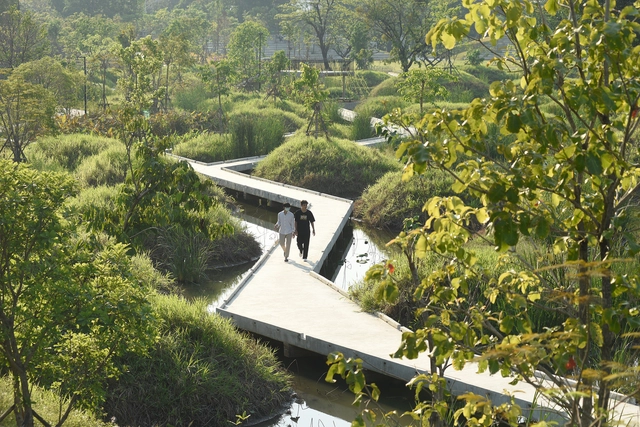
In an age where humanity's detrimental impact on the environment has become increasingly evident, the concept of rewilding is emerging as a powerful approach to conservation and ecological restoration. In line with growing attention on landscape architecture in recent years, the idea of removing human intervention from our natural surroundings in order to restore a stable equilibrium seems to offer a low-effort, ethereal way to right fundamental climate wrongs. But is a lack of meddling in nature really all there is to rewilding, and how does this relate to architecture and design? We look at key concepts, applications, and examples to find out.
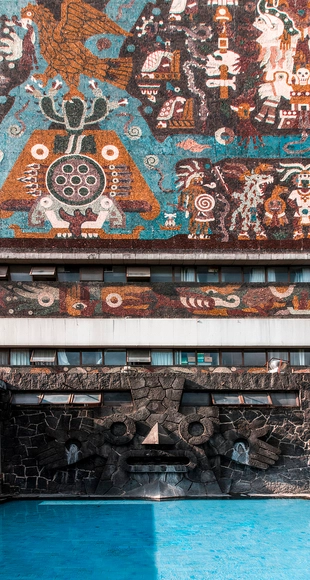
From the pre-Columbian period of the Americas –during which cultures such as the Olmec, Maya, Purepecha, and Mexica (Aztec) thrived– to the modern era where architecture has been influenced by social movements and even natural disasters, Mexican architecture showcases a valuable architectural expression, with its own unique voice and distinctive characteristics. Nobel Literature Laureate Octavio Paz argued that architecture is an incorruptible witness to history. Likewise, the materials used to shape it have acted as protagonists of that history, enduring in many cases over time and evolving thanks to the generations of architects who have contributed to it, from different perspectives.
https://www.archdaily.com/1005554/materials-that-define-the-contemporary-mexican-architectural-aestheticEnrique Tovar
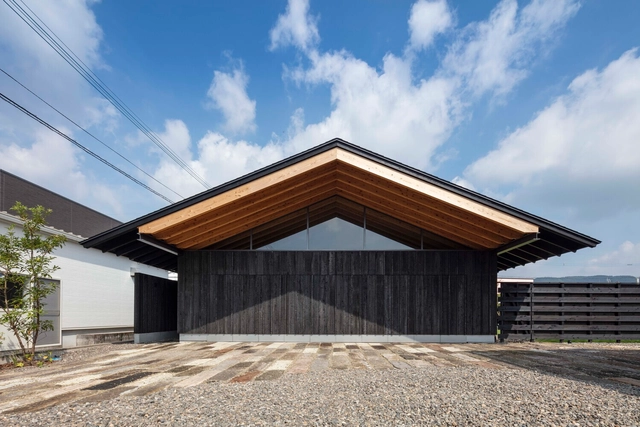
Ancestral, vernacular, minimalist and harmonious. For many, these words have come to define the architecture of Japan, a country that has long served as a source of cultural and technological inspiration for countless societies worldwide. Popular Japanese techniques have reached even the most remote corners of the globe, gaining traction across various fields that range from technical craftsmanship to digital innovation. Within the realm of architecture, the appropriation and reinvention of various materials and construction systems –such as the use of carbonized wood in facades– has been an enduring theme.
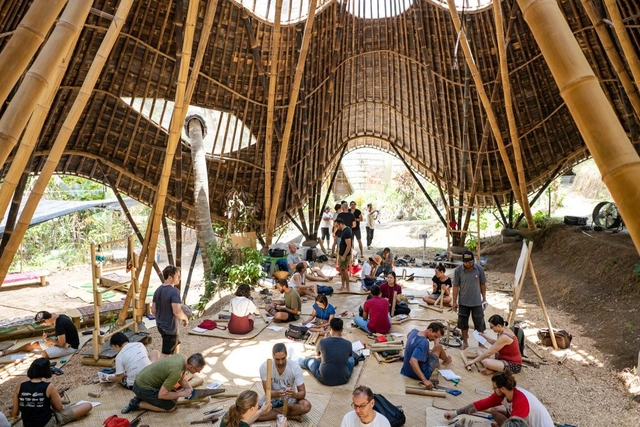
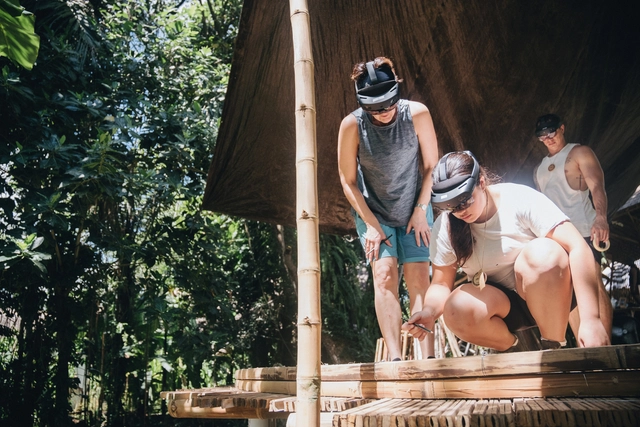
As the world increasingly recognizes the importance of adopting sustainable construction practices, bamboo’s versatility, strength, and renewable qualities are generating significant momentum in the transition toward a circular material economy. From initial idea to completion, this article will provide you with valuable insights to begin your bamboo building project, from the perspective of Bamboo U.
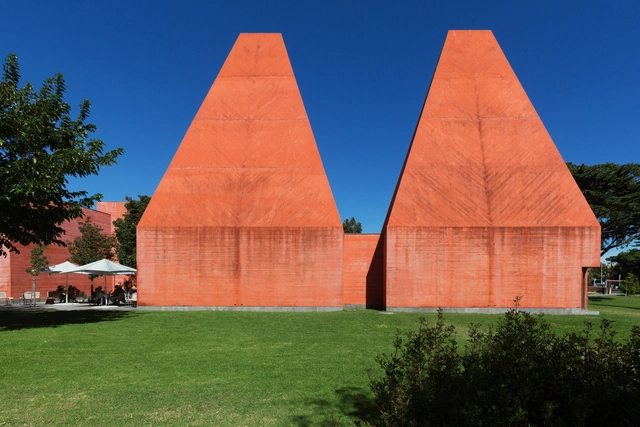
There is no material more diverse and timeless than brick - which can be seen as a staple in both ancient and modern architecture. In many cases, stripping away the drywall of a historical building can reveal beautiful brick walls, which bring a great deal of texture, warmth, and character into a living space. Whether left raw or painted, the look lends itself to a range of styles from rustic to industrial.
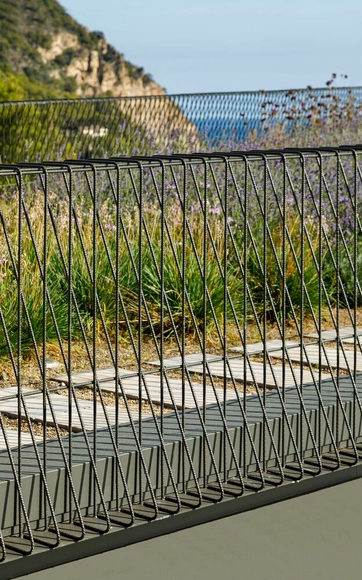
Concrete has enormous resistance to compressive stress, but it is a fragile material in terms of tension, which occurs when forces are applied in opposite directions of a structure, tending to separate the parts. This is why the incorporation of steel into concrete –which provides high levels of strength when stretched– has made so-called reinforced concrete the world's most widely used construction method. In other words, reinforced concrete combines the intrinsic advantages of its two components (concrete and steel reinforcement) to produce an extremely robust, versatile, and practical material. These steel reinforcements, in addition to reinforcing concrete, can also be used in art installations, facades, and even interiors.
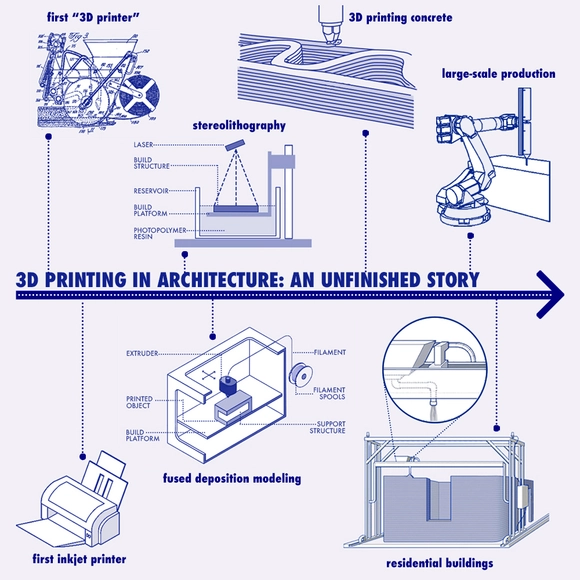
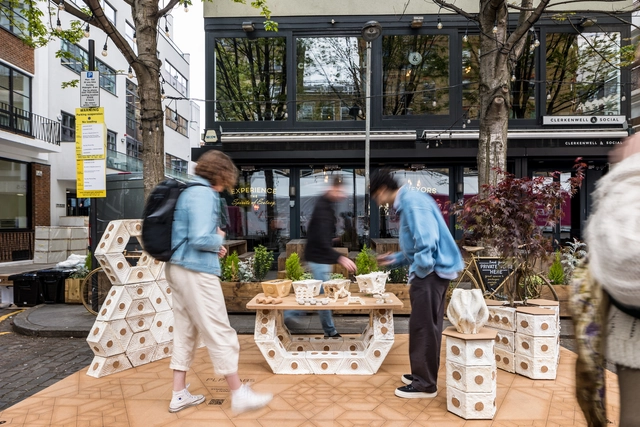
For many years, often spoken in tones of anticipation and excitement, we have heard that 3D printing will revolutionize the architecture industry as we know it. But if we stop for a moment, reflect on the present and look back at the past, it becomes evident that the technology has long been reshaping the field, continuously undergoing profound transformations and ushering in new eras of design, construction and spatial creativity. Operating as a layer-by-layer additive manufacturing process, 3D printing uses digital models to create customized three-dimensional objects with a remarkable level of precision and efficiency, saving time, generating zero waste, reducing labor costs and opening avenues for rapid prototyping and iterative design. It enables architects to explore creative opportunities and regain autonomy by designing complex, non-standardized elements within an industrial and mass-customized process.
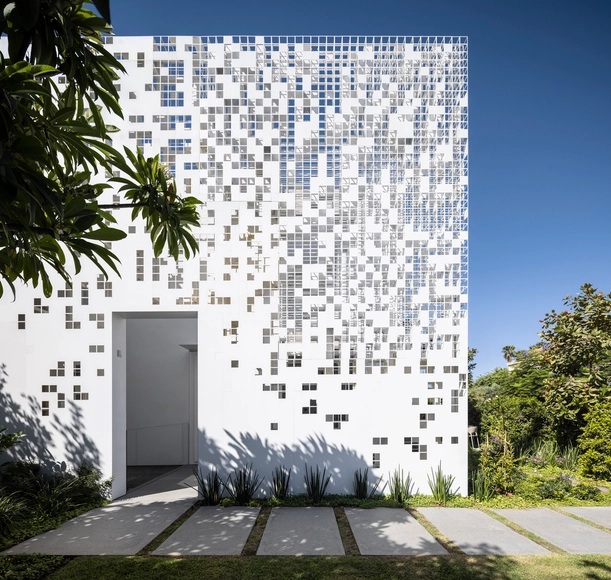
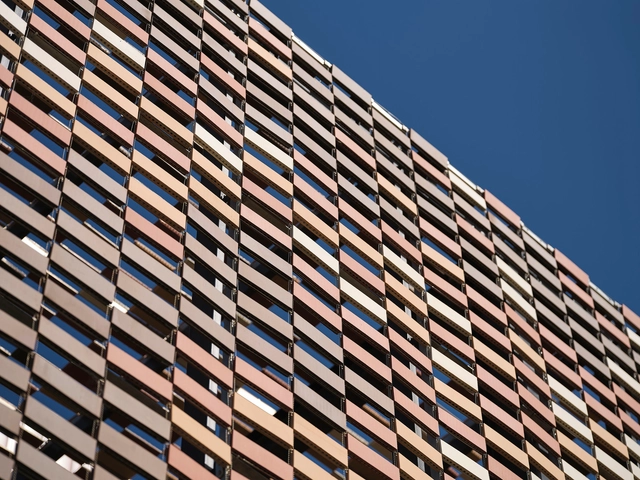
Architects and designers are often looking for ways to make building facades and interior surfaces stand out from the crowd. But sometimes just the smallest change can have the biggest impact once you step back and see the whole picture. By employing an illusionary pattern such as dithering pixels or halftone dots, or by making subtle but intentional changes to the position or orientation of materials, flat surfaces can be transformed into curved, moving forms.
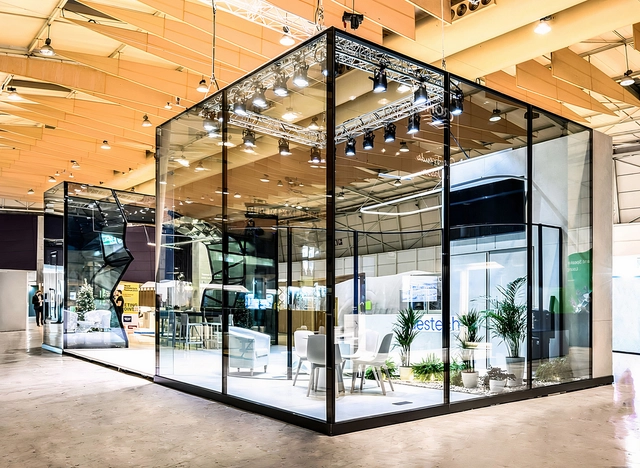
In the past, glazed surfaces tended to be small and almost opaque; but this began to change throughout the years due to the growing trend of increasingly larger glass panes in construction. Accompanied by thinner frames, they dilute the boundaries between the inside and the outside, and have become ubiquitous in modern buildings. In fact, it is increasingly rare to find a contemporary work of architecture that does not include the remarkable presence of glass: this material is present in the most diverse architectural scales, and its transparency provides harmonious integration with the surroundings and generous natural light for buildings. Traditional systems with frames are still predominant, but frameless glass facades are gaining ground in specific architectural projects, as they create perfect connections between the glass and the structure of the building, resulting in a singular aesthetic with soft and harmonious transitions. By eliminating heavy frames, a project's aesthetics can be enhanced while also improving the quality of life inside.
Materiality is a determining factor in shaping the character and experience of a building. Playing with the aesthetic and tactile qualities of materials, the design process encompasses their analysis, selection, and arrangement to create purposeful and sensory-rich spaces. Alongside textures and patterns, exploring materiality also involves the study of color possibilities. The versatile role of color in architectural materials extends beyond mere aesthetics, as it can broaden design opportunities and influence emotional responses, functionality, cultural relevance, and environmental performance.
In the face of a climate emergency, various fields are under pressure to reformulate their operations and actions, and architecture is no exception. After all, the built environment and the construction industry are responsible for a considerable percentage of carbon gas emissions into the atmosphere. Rethinking and restructuring the construction chain - from design to execution - is the order of the day for construction professionals.
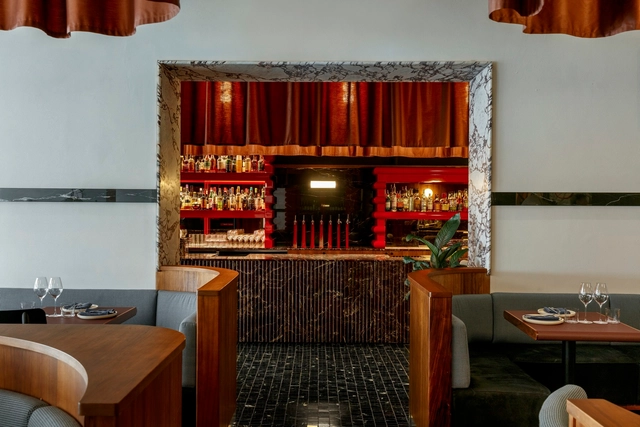
In the competitive world of restaurants – particularly at a time when influencers are gaining more and more control over the sphere of fine dining –, creating a memorable meal experience is crucial for attracting and retaining customers. While factors like food quality and service certainly play pivotal roles in making diners return to their eatery of choice, the impact that restaurant interiors can have on an establishment's longevity should not be overlooked. Among the various elements contributing to a memorable ambiance, color takes center stage. We delve into the significance of striking the right tone in restaurant design through 20 projects from our ArchDaily database.
With its unique blend of form, function, and sustainability, bamboo architecture stands out due to its complex geometries, tridimensional spatiality, and heavy reliance on craftsmanship. For many years, physical models have been central to materializing architects' visions and conveying intricate designs to the skilled craftspeople responsible for construction. Now, we are in the midst of a paradigm shift. The digital revolution is bringing computer-aided and parametric design tools to the forefront, unlocking bamboo's potential in ways never before imagined. This evolution presents exciting possibilities and new challenges for builders and craftsmen alike.
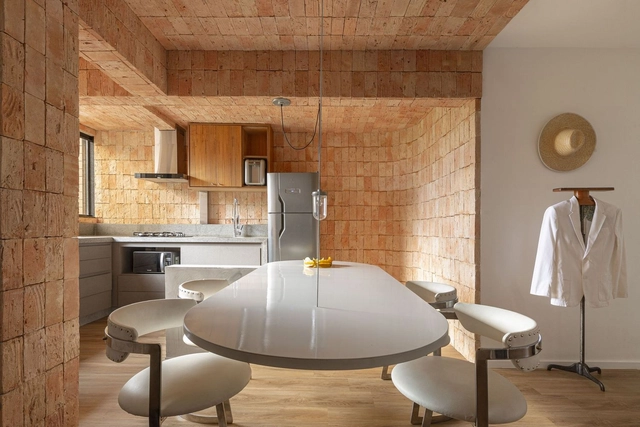
There are many building materials that have experienced minimal changes since their initial inception in the field of architecture. However, this does not imply that they are outdated, but rather that their qualities and simplicity make them highly versatile materials also demonstrate the resilience and durability of materials that withstand the test of time. An example of this is brick, a timeless material that has been able to adapt over the years, serving functions such as walls, cladding, and flooring, among others. Under this premise, Louis Khan referred to the expressive possibilities of brick, stating, "Even a brick wants to be something. It aspires."
https://www.archdaily.com/1003807/algorithm-based-architecture-flexible-bricks-to-wrap-architectural-spacesEnrique Tovar
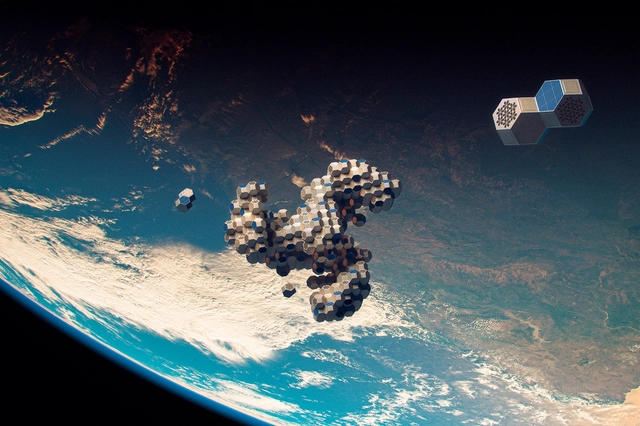
Architecture is likely to exist in any place or physical space inhabited by human beings. Moreover, our inherent curiosity and exploratory spirit constitute an integral aspect of our humanity. Fueled by our inventive capacity, drives us to venture into future scenarios that we can explore as individuals and as a society. Consequently, the possibility of a future in space has sparked the imagination of scientists and designers, resulting in conceptual and science fiction designs where human beings inhabit space.
https://www.archdaily.com/1001762/architecture-for-inhabiting-space-tessellated-reconfigurable-structures-for-adaptive-environmentsEnrique Tovar
The geological period we currently inhabit is known as the Anthropocene, defined by the substantial human impact on Earth's ecosystems and geology. In contrast, the Symbiocene, a term coined by Australian philosopher and environmentalist Glenn Albrecht, presents a vision of the future characterized by a positive and symbiotic relationship between humans and the natural world. In the Symbiocene era, humans actively collaborate with nature, acknowledging their interdependence with Earth's ecosystems and striving to regenerate and restore the natural environment, thus creating a more harmonious and sustainable world.
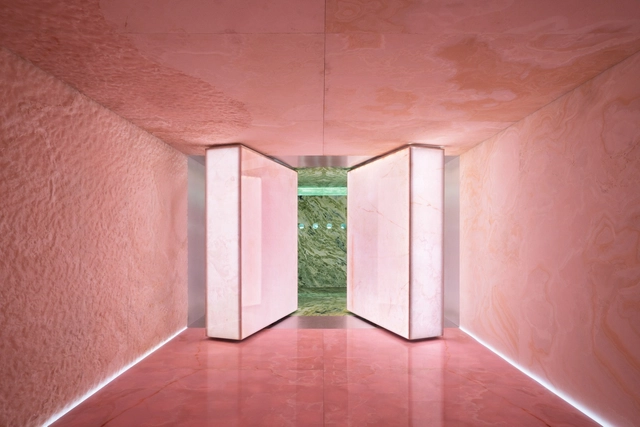
Rock salt is a chemical sedimentary rock that forms through the evaporation of water, as minerals dissolve and settle down. When excavated directly from the earth, it maintains a cube-shaped crystalline form. With its diverse textures, compositions and structures, this natural element has captivated human interest for centuries. Depending on the region and environmental conditions, salt rock has been found in diverse applications in architecture, such as a construction material that uses blocks of salt to build structures, bricks, or tiles. Often translucent, these bricks allow diffused light to enter interior spaces, creating a unique atmosphere and aesthetic appeal.
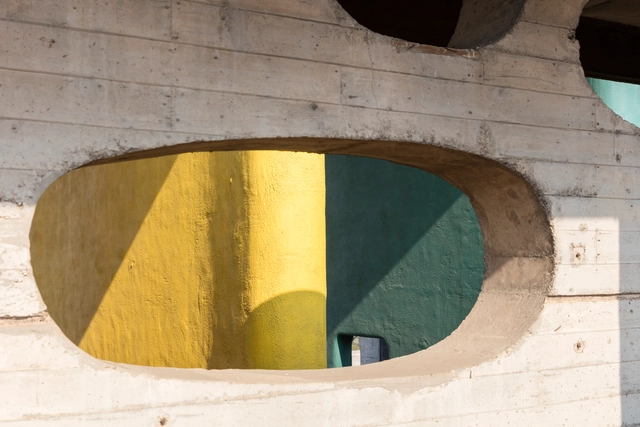
The work of the French-Swiss architect Charles-Édouard Jeanneret is, among many other adjectives, comprehensive. Le Corbusier explored a wide range of scales in his work, from furniture design to urban planning for entire cities. His diverse portfolio also encompassed painting, varied projects, and writing books. One thing that isn't talked about as much, however, was the color theory he developed and applied to several of his architectural designs and artistic endeavors. Deeply rooted in his belief that color plays a significant role in evoking emotions and creating spatial illusions, Le Corbusier's color theory was described in his book "PolyChromie Architecturale" (polychrome architecture), published in 1931. There, he introduced his concept and a carefully curated range of colors that were intended to be used in specific architectural contexts.