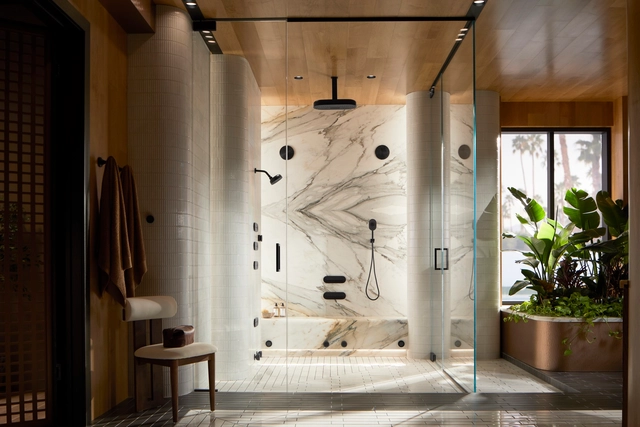
Anthem+™ - Shower environment. Image Courtesy of Kohler
Incorporating technology into architecture has transformed the way we design and experience environments across various scales, spanning from urban development to interior settings. Today, the concept of "smart spaces" embodies the fusion of innovation and design to enhance well-being and quality of life in our daily activities. This is achieved through seamless technological integration, encompassing a range of functions and systems via software, digital tools, and everyday devices like smartphones. As a result, activities like showering are experiencing significant advancements, evolving into a digital multi-sensory experience that offer personalized control over environmental factors, enhancing relaxation and well-being. These innovations enhance the interaction between technology, design, and users, fostering new ways to engage with spaces and subtly enriching our routine activities.
https://www.archdaily.com/1023948/creating-a-multi-sensory-digital-shower-experience-for-well-being-relaxation-and-controlEnrique Tovar
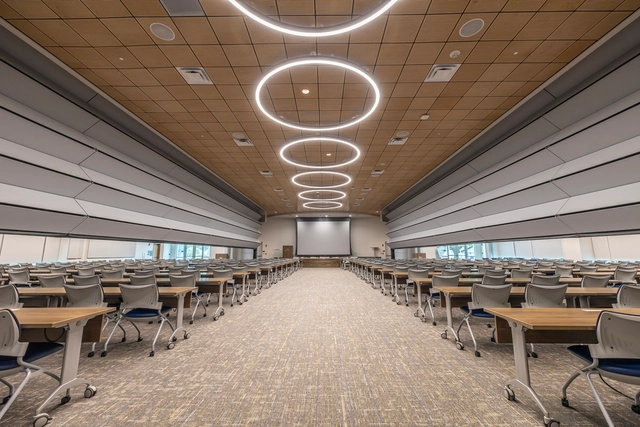
Today, our use of space—and by extension, our built environment—embraces a variety of functions, dimensions, and configurations. However, one key trait stands out: flexibility and multi-purpose design. This marks a shift from the traditional model, where spaces were rigidly defined by function, with distinct areas for working, resting, or socializing, each separated by fixed, solid walls. A key example of this shift is Skyfold's vertically folding retractable walls. With over 10,000 installations, Skyfold's operable walls redefine spatial boundaries and enhances versatility, enabling dynamic adjustments that quickly respond to evolving needs. Their widespread adoption underscores their effectiveness in addressing the challenges of modern interiors and architectural design.
https://www.archdaily.com/1023429/achieving-precision-in-flexible-design-the-path-to-10000-vertically-folding-skyfold-wallsEnrique Tovar
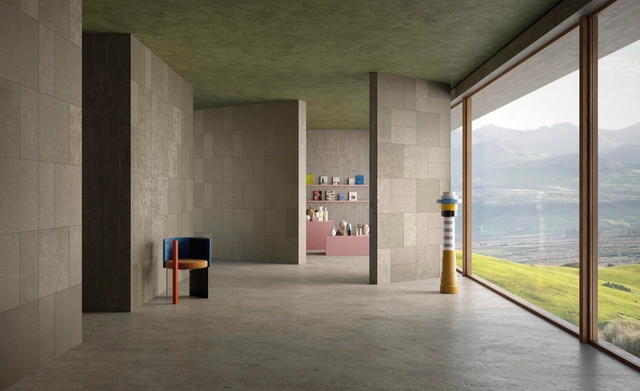
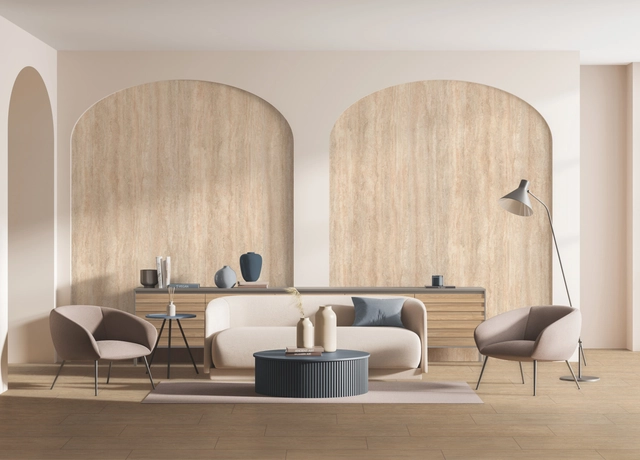
A surface does more than simply cover a space—it transforms it, infusing personality, rhythm, and soul. It evolves from being a mere backdrop to becoming an active element that shapes the atmosphere through the interplay of material, form, and light. The balance of the touch, the thickness, incisions, tones, and luminous reflections can transform surfaces into sensory experiences. Textures can evoke stability or lightness, grooves introduce dynamism, colors define moods, and light sculpts depth and movement. Ceramic, with its aesthetic and functional versatility, is particularly well-suited to this role, offering architects a broad palette of creative possibilities.
For some, the perfection of nature reveals the signature of a divine force, something that defies rational explanations. The result of millions of years of adaptation and evolution, natural structures and organisms operate with an efficiency that is hard not to admire. Every form seems to have a precise purpose, showcasing ingenuity where functionality and beauty harmoniously coexist. From leaves to the smallest organisms, nature follows an impeccable logic of economy and precision, eliminating waste. It demonstrates that simplicity is often the purest expression of sophistication. Trees, for instance, grow to maximize strength and stability while minimizing resource use. This structural efficiency is achieved by aligning fibers along paths of maximum tension and shaping trunks and branches to optimally distribute loads. It's a testament to the fact that nature, above all, is a masterful engineer.
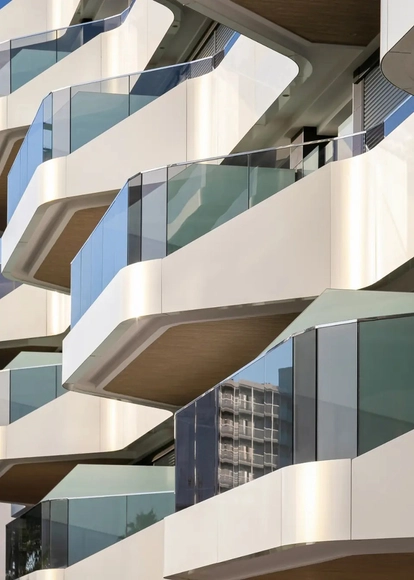
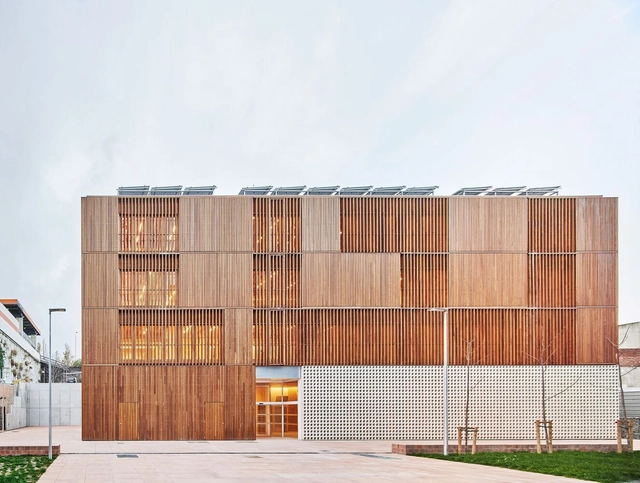
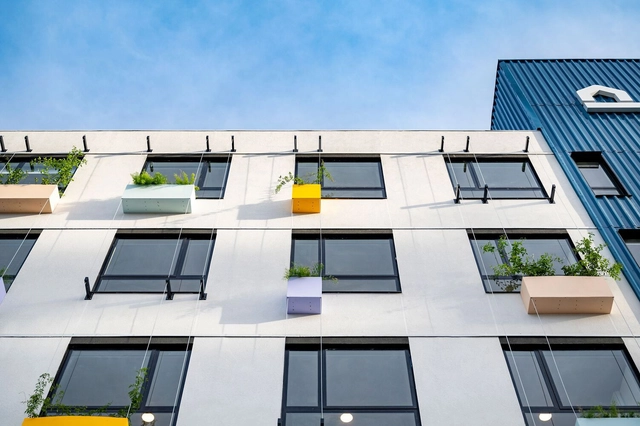
Fundamentally, facade design must blend protection, performance, and visual impact, turning it into a defining architectural feature. The evolution of facades reflects advancements in materials, technology, and design flexibility. In earlier times, facades used simple materials like brick, stone, and wood, offering structural support while showcasing regional styles. Over time, new materials like iron and steel were introduced, allowing for taller buildings with expansive glass facades that marked the beginning of modernism in urban centers. The 20th century brought reinforced concrete and aluminum to building perimeters, enabling lighter and more varied designs. Recent advances in high-performance materials, like composite panels and bio-based claddings, offer architects new aesthetic and energy-efficient options. STACBOND exemplifies this innovation, enabling creative, sustainable design solutions.
Although there is more of a balance between women and men in architecture today, the landscape was quite different a few decades ago. Pioneering women architects have been resistant in a profession dominated by men, and have faced skepticism in challenging contexts, such as construction sites itself. Zaha Hadid commented on the difficulty of inclusion in what she called the "boys club", listing the difficulties in coming to agreements or creating partnerships. Lina Bo Bardi, in turn, used her strong personality to overcome the sexism of her time. Even though these difficulties, women have always found a way to stand out and bring priceless contributions to the profession.
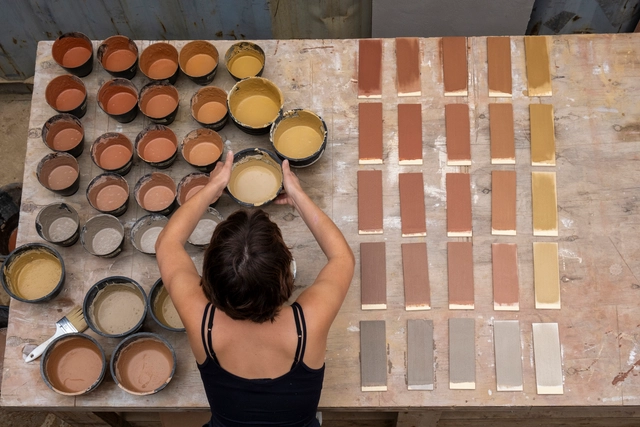
Who would think that a freshly painted wall, so smooth and glossy, could hide such a serious problem? Paint is one of the finishing touches that brings beauty and protection to both indoor and outdoor spaces. But beneath this layer of color, there’s an invisible coat that, silently, accumulates in our ecosystems and even in our bodies. Recent research from Switzerland identifies construction paint as one of the largest sources of microplastic pollution in oceans, rivers, and other environments. These microplastics, less than 5 mm in size, enter ecosystems through weathering, accumulating in marine and terrestrial animal bodies — and ultimately, in humans. Although the long-term effects on human health are still under study, evidence so far indicates that continuous exposure may contribute to various physical and metabolic health issues. Yet, sustainable alternatives are emerging, offering a way to create healthier spaces while minimizing environmental impact.
Art has long been perceived as elitist, an image solidified by its deep ties to power and wealth. In ancient times, works of art were status symbols reserved for rulers and religious figures, while the Renaissance marked a period in which wealthy patrons like the Medici family promoted art as a tool of social and political prestige. In the 17th century, with the rise of art academies, strict standards were established for what was considered "high culture," further distancing art from the masses.
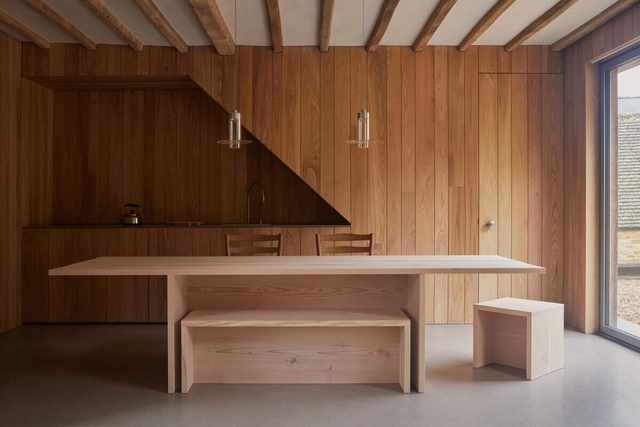
John Pawson is a renowned British architect and designer, widely recognized for his minimalist approach, which values simplicity, proportion, and material authenticity. In his work, he explores space and light with depth, refining each element to its essence to create environments that promote tranquility and focus. His portfolio spans private homes, galleries, churches, and monasteries, each exemplifying his dedication to material purity and spatial harmony. By balancing clean lines, natural textures, and understated details, Pawson establishes a modern elegance and timeless quality that make him a pioneer of architectural minimalism.
Traditionally, architecture's role has been to create a barrier between inhabitants and the elements, providing protection and security. Even with material and technological advances over time, this function remains fundamental. We still rely on our building envelopes to keep us dry, safe, and comfortable, allowing us to live our daily lives with ease. Nowadays, high-performance building envelopes expand this protective function by using advanced materials and technology, transforming into essential elements of sustainable and resilient design. They not only protect interiors from external factors—such as heat, humidity, and pollutants—but also contribute directly to the building's energy efficiency, durability, and aesthetics. Consisting of facades, solar shading systems, and windows, these envelopes define the building's character and play an essential role in its overall performance.
New York City is a place of constant transformation. Since the late 18th century, when it became one of the world's largest ports, it has established itself as a hub of innovation, commerce, and cultural diversity, attracting immigrants from all over. The rapid industrialization of the 19th century spurred a proliferation of factories, warehouses, and working-class neighborhoods, like Brooklyn and the Lower East Side, which shaped the city's urban and economic growth.
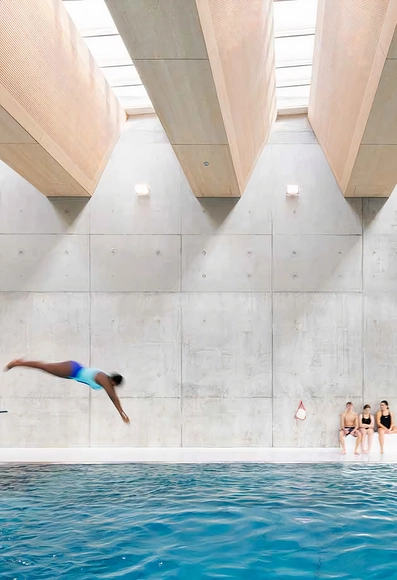
Water and daylight? At first glance, they seem like distant concepts: one is tangible, while the other, —though intangible—, manifests itself through its effects and perceptible qualities. Both are powerful and recurring resources in architectural design, often employed only for compositional purposes. However, in the context of indoor pools, this combination is frequently functionally oriented, prioritizing 'protection' from external stimuli. This one-dimensional approach can restrict the dynamic interaction between water and natural light, leading to aesthetic, functional, and operational challenges.
https://www.archdaily.com/1022632/heres-how-to-level-up-indoor-pools-with-daylight-solutionsEnrique Tovar
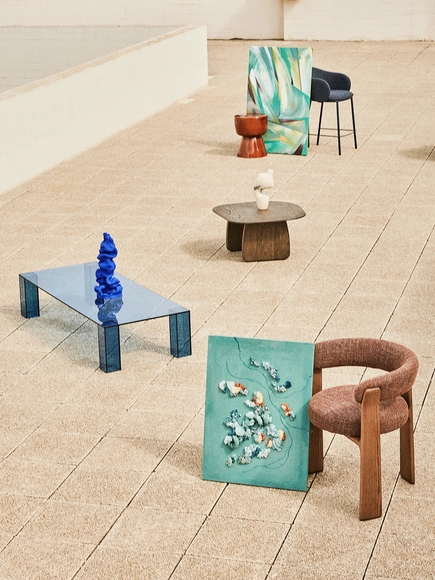
Colors, materials, lighting, and textures are the foundational pillars that shape the mood and atmosphere of an interior space. These elements should work in harmony to create environments that deeply influence how we feel and interact with the space around us. From serene, tranquil homes to dynamic offices or welcoming hospitality spaces, design trends have evolved to meet the specific needs of each setting, while the market offers an abundance of product combinations.
The creation of images through artificial intelligence (AI) surprised us a few years ago. Utilizing algorithms such as convolutional neural networks (CNNs), these systems are trained to identify visual patterns in images from the huge database of the internet, interpret them, and generate new compositions. Initially, the results tended to be rudimentary, often distorted and strange, but with the evolution of systems and training methods, AI has started to produce highly detailed and visually impressive images, challenging the limits of digital creativity. In architecture, this has been no different. As architectural design evolves, technologies that allow architects to bring their visions to life are progressing alongside it. AI renderings are transforming the way we visualize and conceptualize spaces, with the potential to significantly reduce costs, increase efficiency, and improve accuracy, especially in terms of scale fidelity and spatial representation.
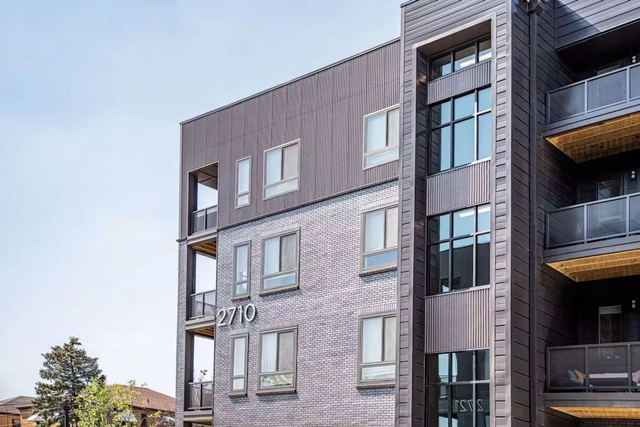
Factory 52, named after the production of 52-card decks that once took place there, is a remarkable example of adaptive reuse, transforming an old factory into a vibrant mixed-use community. Located in Norwood, Ohio, within the former U.S. Playing Card Company building, the renovation project reimagines industrial heritage by integrating modern design without losing sight of its historical roots, incorporating residential, commercial, and recreational areas. The use of brick cladding plays a crucial role in connecting the past with the future, offering a rustic texture that honors the industrial history while highlighting the new structures with its unique tones in a contemporary setting.
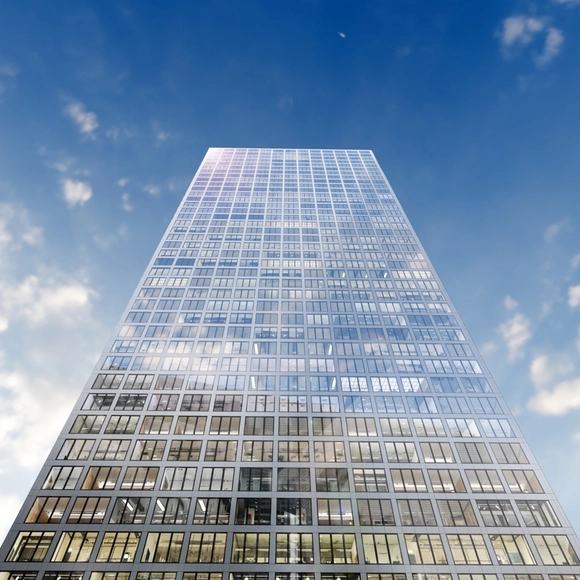
40-storey building utilizing ClearVue BIPV products, solar glazing, and solar cladding. Image Courtesy of ClearVue
People frequently claim that finding smart solutions to problems requires a creative approach that involves thinking outside the box. This premise has become a widely accepted idea in the field of technology, where numerous historical breakthroughs have emerged from innovative methods. Prominent examples in power generation include the discovery of the photovoltaic effect by Edmund Becquerel in 1839 and the development of the first commercial solar panel by Charles Fritts later that century. These milestones have enabled the integration of solar panels as essential components of clean energy generation within architecture, driving a significant shift toward renewable energy.
https://www.archdaily.com/1022702/powering-up-through-the-facade-maximizing-energy-with-building-integrated-photovoltaicsEnrique Tovar
Every innovation brings with it frictions, disruptions, and, above all, learnings. In the construction industry—a sector historically resistant to change—new construction systems are often met with some skepticism, requiring careful analysis of the challenges that arise. The wood frame system, widely adopted in countries such as the United States, Japan, and Germany, has yet to gain significant popularity in Brazil due to factors that keep the sector labor-intensive and strongly tied to conventional masonry and concrete methods.
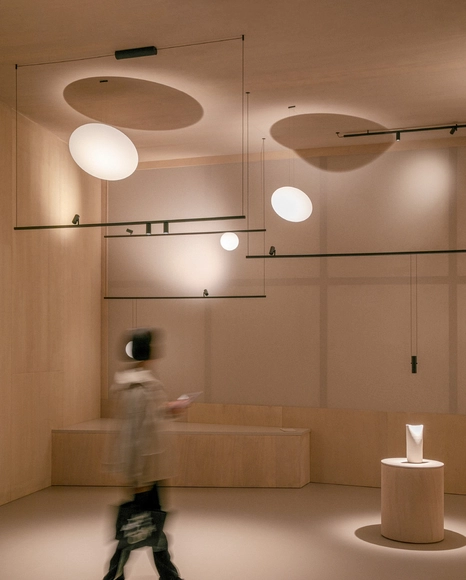
When designing and lighting a space, is the goal to fulfill a specific requirement or to be creative? Both perspectives hold merit; however, a unifying principle should always prevail: people must remain at the center of everything we do. Today, it is well understood that our environment significantly influences our well-being, affecting mood and performance, even in challenging contexts such as outer space. While this standpoint has encompassed anthropometric and biological aspects, new approaches are expanding design beyond the tangible. Lighting is now used to shape atmospheres that resonate deeply with our emotions.
https://www.archdaily.com/1022444/shaping-atmospheres-with-lighting-a-human-centered-approach-to-emotional-designEnrique Tovar