1. ArchDaily
  2. Maden Group

Maden Group: The Latest Architecture and News

Subscriber Access

Refracting Light and Redefining Space: Glass Bricks in Contemporary Interiors

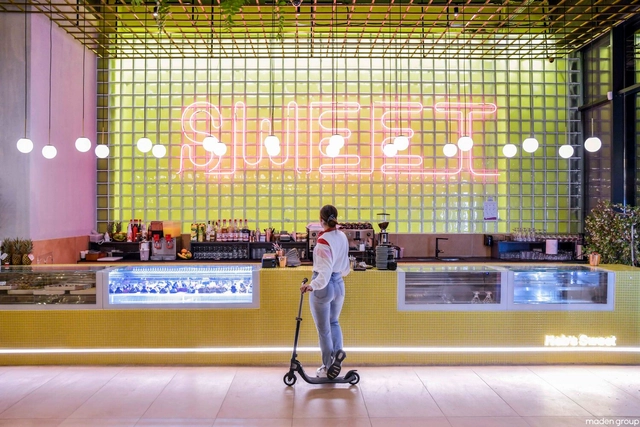
Glass bricks have been widely used in architecture, eventually becoming a staple of the 1980s architectural styles. Some examples of construction with this material could be the classic "Maison de Verre" by Pierre Chareau and Bernard Bijvoet in Paris or the more modern take of Hiroshi Nakamura & NAP with the Optical Glasshouse in Japan. In recent years, glass bricks are becoming increasingly popular, no longer relegated to older aesthetics. Instead, they have evolved into versatile design elements that bring light, texture, and character into contemporary interiors. Their ability to diffuse natural and artificial light while maintaining privacy has reignited interest among designers seeking innovative ways to enhance indoor spaces while taking advantage of natural light.

Refracting Light and Redefining Space: Glass Bricks in Contemporary Interiors - Image 1 of 4Refracting Light and Redefining Space: Glass Bricks in Contemporary Interiors - Image 2 of 4Refracting Light and Redefining Space: Glass Bricks in Contemporary Interiors - Image 3 of 4Refracting Light and Redefining Space: Glass Bricks in Contemporary Interiors - Image 4 of 4Refracting Light and Redefining Space: Glass Bricks in Contemporary Interiors - More Images+ 8

Subscriber Access

Pink as a Design Tool: Atmosphere, Identity, and Experimentation in Interior Design

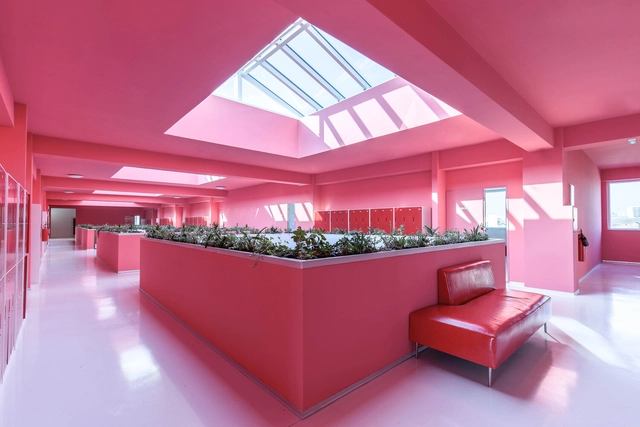
In recent years, pink has evolved beyond its traditional associations to become a sophisticated and versatile element in architecture and interior design. Defined by a broad spectrum of shades, pink encompasses both warm and cool tones, ranging from pure red tints (R) to blends with yellow (Y80R, Y90R) or blue (R10B, R20B, R30B), as classified by the Natural Color System (NCS). While difficult to define by a single shade, this color balances vibrancy and softness, making it adaptable across different materials and contexts. As pink continues to gain prominence in contemporary interiors, its role extends beyond being a mere color choice—it is a design strategy. The recent transition from the bold, playful pinks of the "Barbiecore" trend to softer, powdery hues seen in fashion and design in 2025 fashion collections, highlights the color's adaptability. Its presence in Pantone's 2025 color palettes, also reinforces its appeal across disciplines. When applied thoughtfully, pink can transform spaces, making them feel inviting, expansive, or timeless.

Pink as a Design Tool: Atmosphere, Identity, and Experimentation in Interior Design - Image 2 of 4Pink as a Design Tool: Atmosphere, Identity, and Experimentation in Interior Design - Image 4 of 4Pink as a Design Tool: Atmosphere, Identity, and Experimentation in Interior Design - Image 1 of 4Pink as a Design Tool: Atmosphere, Identity, and Experimentation in Interior Design - Image 5 of 4Pink as a Design Tool: Atmosphere, Identity, and Experimentation in Interior Design - More Images+ 7