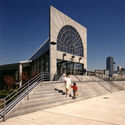
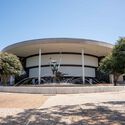
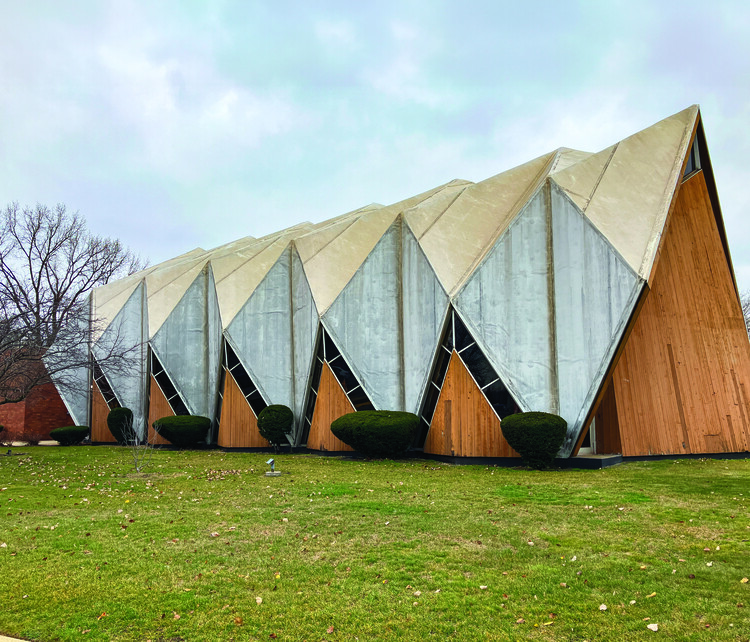
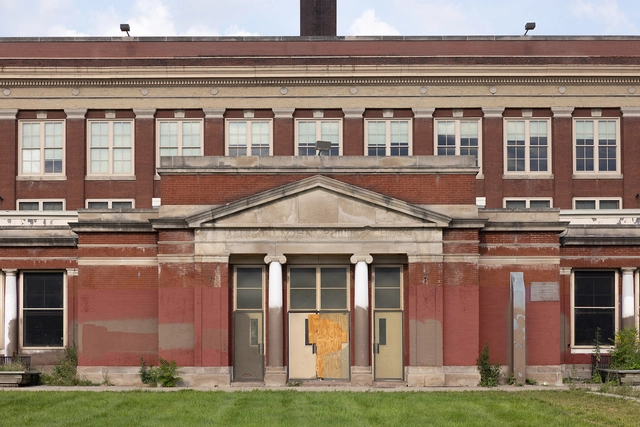
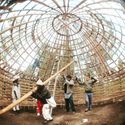
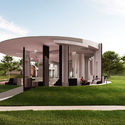
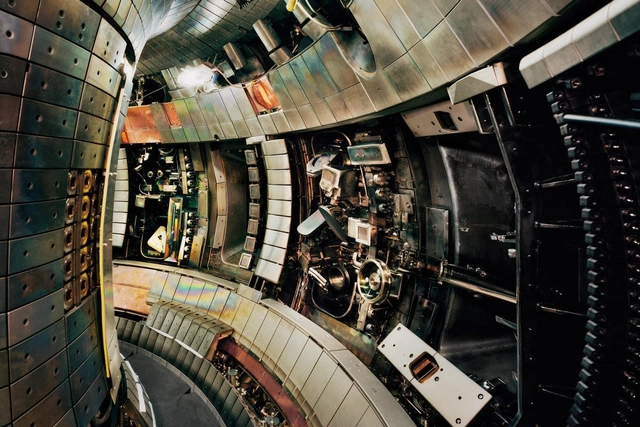
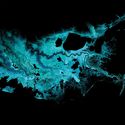
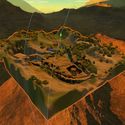
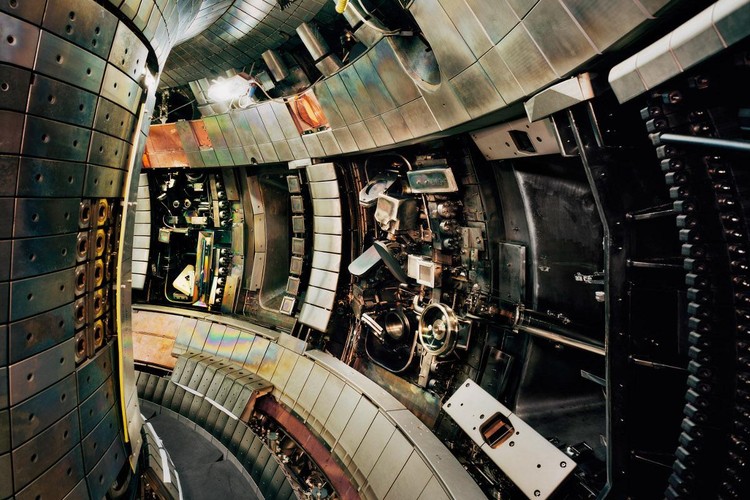
Borderless Studio, “Kohn School in Roseland,” Chicago, 2023. Digital photograph. Photo: David Schalliol. From the 2024 grant to Borderless Studio and MAS Context for the publication “Beyond Closure: Reimagining Possibilities for Chicago’s Closed Schools” . Image Courtesy of Graham Foundation
The Graham Foundation, based in Chicago, has allocated $390,000 in grants to support 33 innovative projects worldwide. These initiatives include exhibitions, publications, and presentations aimed at enriching the discourse in architecture and its role in society. The projects, undertaken by architects, artists, curators, and educators, span various cities such as Johannesburg, New York, Chicago, and others, reflecting a global perspective on contemporary architectural issues.
Nicolay Boyadjiev. Image Courtesy of re:arc institute
Over the past years, I've had the chance to engaged with architects and others who are leading impact-driven, cultural, and institutional initiatives, who recognize architecture's role in enhancing quality of life in the built environment and offer frameworks to achieve this. Amidst current global challenges and waning focus on the common good, such institutions are increasingly vital.
During a recent trip to Copenhagen, World Architecture Capital, I delved into the re:arc institute, a newly established nonprofit philanthropic association. Operating at the intersection of climate action and architecture philanthropy, it funds grassroots solutions serving as viable examples to tackle this, with transferable insights. With a "learning by doing" ethos, their Practice Lab conducts a global survey to identify and support practices in bringing prototypes to life. I sat down with Nicolay Boyadjiev, Practice Lab lead, to explore this innovative institutional model and its transformative impact on architectural practice.
Copenhagen-based philanthropic association re:arc institute has announced the cohort of nonprofit organizations, people, and practices they will support throughout 2024. The organization founded in 2022 works at the intersection of climate action and architectural philanthropy, aiming to support the development of solutions that address the root causes and consequences of climate change.
The architectural field often adheres to conventional industry models, either client-based or competition-based, which can perpetuate problematic or extractive motivations. The re:arc institute hopes to rethink the architecture discipline’s potential for addressing social and environmental concerns by providing a blueprint for pioneering philanthropic projects. To do so, they provide funding to nonprofits, individuals, and community-led projects exploring innovative approaches that prioritize planetary well-being. Their focus is on hyper-local, grassroots initiatives that address climate crises with a strong emphasis on the unique needs of specific places and communities.
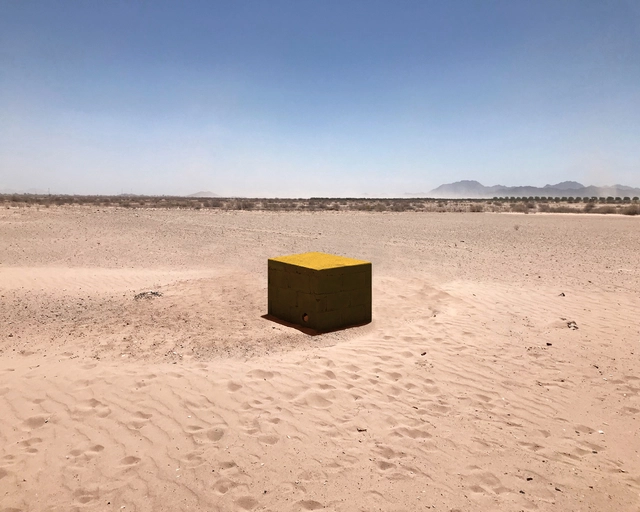
Miguel Fernández de Castro and Natalia Mendoza, research for "The Absolute Restoration of All Things".From the 2020 organizational grant to Storefront for Art and Architecture for the exhibition series "Building Cycles 2". Image Courtesy of the artist
The Chicago-based Graham Foundation has just announced its support to 36 international organizations “leading projects that respond to today’s challenges, foster new connections across disciplines, and expand the field of architecture”. Based everywhere in the world, these associations push forward the work of eminent and emerging architects, artists, designers, critics, curators, scholars, and others, to explore new possibilities for the field and engage practitioners and the public worldwide.