The opening of the Century 21 Exposition on April 21, 1962 transformed the image of Seattle and the American Northwest in the eyes of the world. The region, which had been known until that point more for its natural resources than as a cultural capital, established a new reputation as a center of emergent technologies and aerospace design. This new identity was embodied by the centerpiece of the exposition: the Space Needle, a slender assemblage of steel and reinforced concrete which became—and remains—Seattle’s most iconic landmark.[1]
North Korea is one of the few countries still under communist rule, and probably the most isolated and unknown worldwide. This is a result of the philosophy of Juche – a political system based on national self-reliance which was partly influenced by principles of Marxism and Leninism.
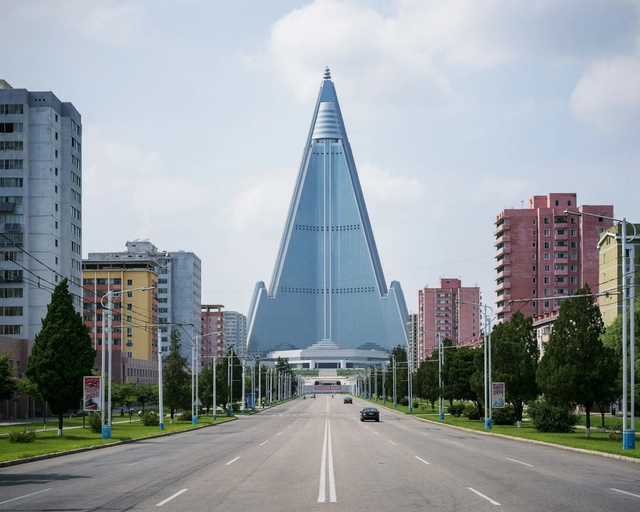
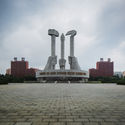
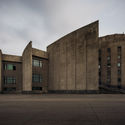
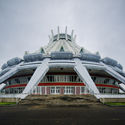
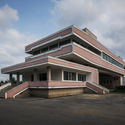
In recent years though, the country has loosened its restrictions on tourism, allowing access to a limited number of visitors. With his personal photo series “North Korea – Vintage Socialist Architecture,” French photographer Raphael Olivier reports on Pyongyang’s largely unseen architectural heritage. ArchDaily interviewed Olivier about the project, the architecture he captured, and what he understood of North Korea’s architecture and way of life.
The Walmart Supercenter is generally considered one of the great antagonists of architecture around the world – the hulking behemoth who sold its integrity for the consumer convenience of having everything in one place. Though the first Walmart Supercenter didn’t open until 1988, big box stores have existed in some form since the 1960s, luring in shoppers with low prices and curbside loading lanes. For all the user psychology design that goes into them, the original designs of these buildings rarely pay much mind to their architectural or urban consequences, excluding a few notable exceptions.
Regardless, for the past 20 years big box stores have continued to prosper, prompting tenants to leave their homes and move on to even larger structures, leaving behind giant, open frameworks – for sale on the cheap. In a recent essay for 99% Invisible entitled Ghost Boxes: Reusing Abandoned Big-Box Superstores Across America, author Kurt Kohlstedt explores the architectural potential of these megastructures, drawing inspiration from the architects and communities that have successfully converted them into valuable assets.