As people take greater control over the rituals surrounding their deaths, cremation has become an increasingly popular option worldwide. This shift has prompted the thoughtful design of spaces that address the profound emotions tied to cremation, life and death, and stillness. Architects are increasingly grappling with the question of what role architecture plays in these rituals.
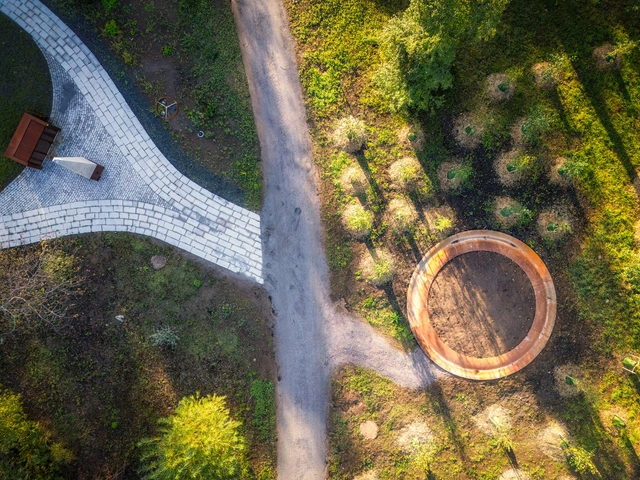
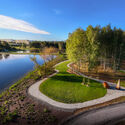
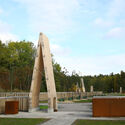
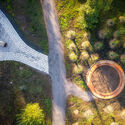
Opened in October 2024, the Järva Cemetery offers everyone, regardless of faith or beliefs, a space for remembrance, continuing Stockholm's long tradition of funeral history. After overcoming significant planning obstacles, the site, designed by Kristine Jensen Tegnestue and Poul Ingemann, was created to accommodate burials and funeral ceremonies, with options for coffins, urns, ash groves, and a commemorative forest. During the last edition of Open House Stockholm, visitors could explore its surrounding natural landscapes and connect with the space.
As communities grow more multicultural and increasingly diverse, these spaces serve as physical manifestations of religious inclusion, encouraging the acceptance of religious and ethnic minorities within multicultural landscapes. Their proliferation reflects a growing need for inclusive environments that cater to diverse spiritual needs while promoting interfaith understanding. However, designing and implementing these spaces presents complex challenges, often sparking debates about representation, neutrality, and the very nature of sacred space. These discussions underscore the delicate balance architects must strike in creating spaces that are both universally welcoming and spiritually meaningful.
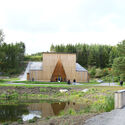
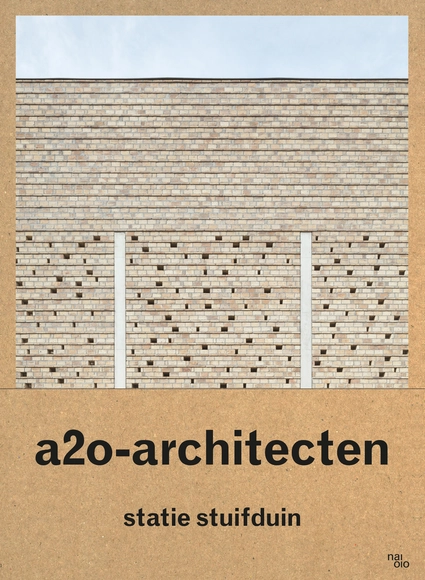
In this book, Belgian architecture office a2o presents an investigative and connecting approach to architecture through an evocative reading of their latest project, crematorium Statie Stuifduin in Lommel, Belgium. This thoughtful yet radical design blends architecture and landscape in a succession of spaces that reveals a deep understanding of both the fundamental aspects of and changing attitudes towards death, burial and the journey of life. Rather than through explicit religious symbols, the sacral is represented by the universal power of nature and by Romantic notions of finding meaning in rediscovered nature. In doing so, Statie Stuifduin goes beyond the specifics of the building to explore new visions of what contemporary funeral architecture can be.
Few subjects evoke as much sensitivity and refection, both within architecture and beyond, as those of death and mortality. Frank Lloyd Wright’s timeless reflection that “youth is a quality, and once you have it, you never lose it, and when they put you in the box, that is your immortality” offers one insight into how architects place not just their buildings, but also their lives and careers in perspective.
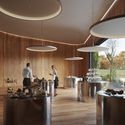
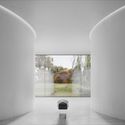
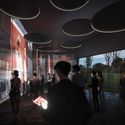
Furthering this engagement between architecture and mortality is HofmanDujardin, a Dutch studio which has sought to “rethink the way we say goodbye” with the design of a new Funeral Centre. Placing the coffin at its epicenter, the scheme translates the memorial sequence into three moments: the gathering of friends and family, the ceremony of remembrance, and the moment of social encounter.