1. ArchDaily
  2. Espacios de juego infantil

Espacios de juego infantil: The Latest Architecture and News

What is the life cycle of urban play structures?

 | Sponsored Content
Audio available

p>Understanding play as a social catalyst and an influential factor in defining public space, urban life is shaped by diverse individuals of different ages, cultures, ideologies, interests, classes, and social groups. Thinking about how play inhabits cities means thinking about all generations, and about the need to build public spaces with urban equipment designed to last and be maintained over time.

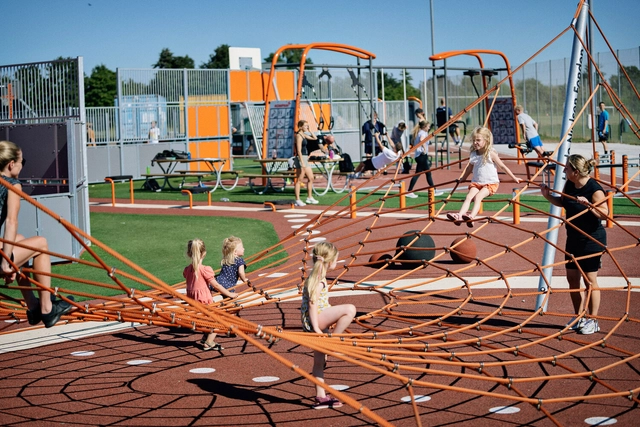
The performance of play structures invites us to review the different stages of their life cycle alongside their impact on shaping the urban environment. Analyzing the life cycle of urban play equipment involves understanding everything from materials, durability, and maintenance to the role of certifications and technologies applied in their production process, within environments that are increasingly conscious of their environmental impact.
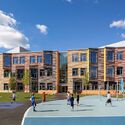
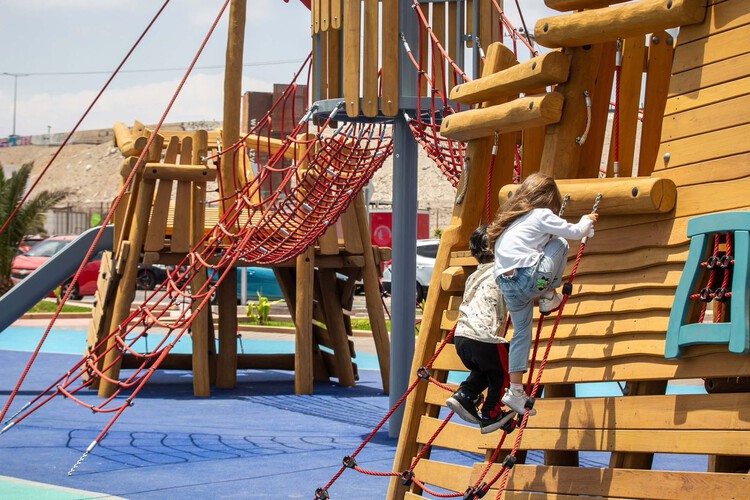
What is the life cycle of urban play structures? - Image 1 of 4What is the life cycle of urban play structures? - Image 2 of 4What is the life cycle of urban play structures? - Image 3 of 4What is the life cycle of urban play structures? - Image 4 of 4What is the life cycle of urban play structures? - More Images+ 15

A Natural Childhood: How Architecture Connects Landscape, Culture, and Play

How do nature and landscape dialogue within spaces designed for children? How are architecture and urban design capable of shaping natural atmospheres that integrate practices of play, participation, and exploration? From participatory projects that involve children in the design process to built environments that incorporate furniture adapted to their needs, the conception of spaces for childhood entails the creation of places for encounter, learning, and coexistence. At times, these spaces are able to strengthen the relationships between interiors and exteriors, connecting their users with nature and the surrounding environment. Depending on their cultures, customs, and histories of attachment to place, several contemporary projects deploy tools and strategies that integrate architecture, nature, and pedagogy to form broad experiences of learning, play, and discovery.

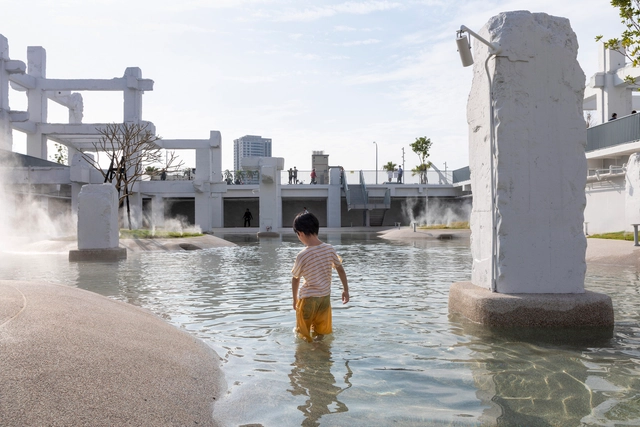
A Natural Childhood: How Architecture Connects Landscape, Culture, and Play - Image 1 of 4A Natural Childhood: How Architecture Connects Landscape, Culture, and Play - Image 2 of 4A Natural Childhood: How Architecture Connects Landscape, Culture, and Play - Image 3 of 4A Natural Childhood: How Architecture Connects Landscape, Culture, and Play - Image 4 of 4A Natural Childhood: How Architecture Connects Landscape, Culture, and Play - More Images+ 21

Architecture and play structures: How are play spaces evolving in urban environments?

 | Sponsored Content
Audio available

Play, as a human activity, is a multidimensional practice: it is biologically rooted, socially transmitted, and architecturally situated. Within this interrelation, while play offers dynamics and narratives that invite us to explore alternative ways of inhabiting the world, architectural projects provide the physical and sensory support that unlocks these possibilities, with play structures serving as the medium that connects the two. Consequently, a defining relationship emerges between play, the built environment, and its evolution over time.