1. ArchDaily
  2. Elevated Plains

Elevated Plains: The Latest Architecture and News

Rethinking the Flat Datum: Designing Space with Incline and Intent

Subscriber Access | 

Historically, architecture and the built environment have insisted on creating flat, hard surfaces. In earlier eras, walking without paved ground meant mud-caked shoes, uneven footing, tripping hazards, standing water after rain, and high maintenance. Hence, as we shaped cities, we prioritized a smooth, continuous, solid horizontal datum. The benefits are real: easier walking, simpler cleaning, and straightforward programming—furniture, equipment, and partitions all prefer a level base. This universal preference for building on flat ground remains the norm and, for many practical reasons, will likely continue to be.

What's less recognized is that making a truly flat surface is surprisingly difficult—and many well-executed "flat" floors aren't perfectly flat at all. They are often gently sloped, calibrated to precise gradients for drainage. While interior spaces do not always require this, many ground floors and wet areas do incorporate subtle inclines as a safeguard—whether for minor flooding or to manage water that overflows from the street or plumbing when one of the discharge systems is malfunctioning.

Rethinking the Flat Datum: Designing Space with Incline and Intent - Imagen 1 de 4Rethinking the Flat Datum: Designing Space with Incline and Intent - Imagen 2 de 4Rethinking the Flat Datum: Designing Space with Incline and Intent - Imagen 3 de 4Rethinking the Flat Datum: Designing Space with Incline and Intent - Imagen 4 de 4Rethinking the Flat Datum: Designing Space with Incline and Intent - More Images+ 49

A Skyward Shift: Exploring the Social Impact of Elevated Public Spaces in Cities

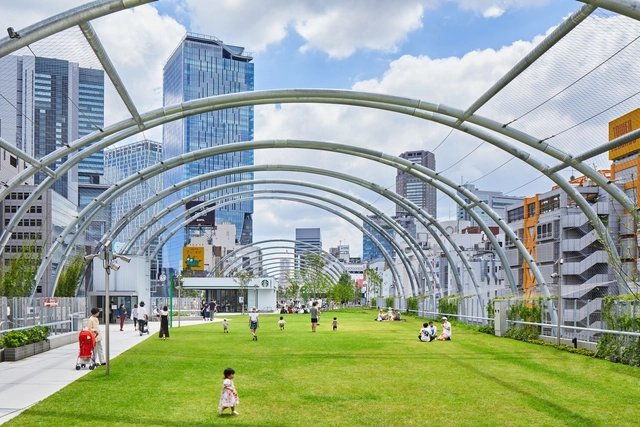
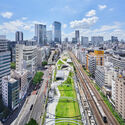
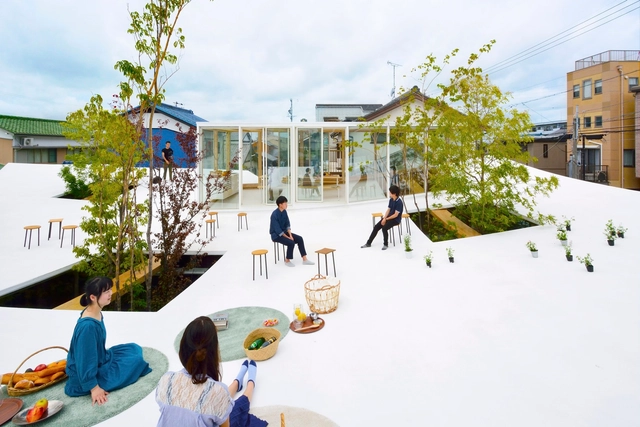
With escalating land values in urban centers, there has been a growing trend to float public spaces from ground level to elevated locations, such as rooftops or podiums between buildings. From a development perspective, maximizing floor area has become crucial as urban environments expand. Ground-level spaces are highly sought after for retail use due to their strategic location, which attracts foot traffic and potential customers and drives city development and economics.

This financial consideration, which often guides building activities and directions in urban centers, contradicts design principles advocated during the modernist era for the benefits of better outdoor space for the public, such as the concept of 'Freeing the Ground'. Architects like Le Corbusier championed this concept through projects like Villa Savoye and Unite d' Habitation. These modernist designs envisioned a future where buildings were elevated to restore open, accessible outdoor ground-level spaces for its users. However, for the reasons above, many contemporary projects instead seek to replicate the function of public grounds within the building's structure.

A Skyward Shift: Exploring the Social Impact of Elevated Public Spaces in Cities - 5 的图像 4A Skyward Shift: Exploring the Social Impact of Elevated Public Spaces in Cities - 1 的图像 4A Skyward Shift: Exploring the Social Impact of Elevated Public Spaces in Cities - 2 的图像 4A Skyward Shift: Exploring the Social Impact of Elevated Public Spaces in Cities - 3 的图像 4A Skyward Shift: Exploring the Social Impact of Elevated Public Spaces in Cities - More Images+ 10

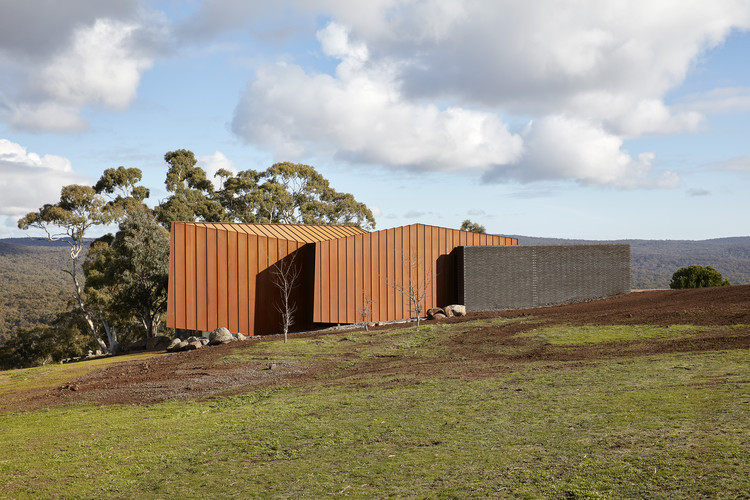
Oikos Breakneck Gorge / Robert Nichol and sons

Oikos Breakneck Gorge / Robert Nichol and sons - Houses, Facade, Door
© Jack Lovel

Oikos Breakneck Gorge / Robert Nichol and sons - Houses, FacadeOikos Breakneck Gorge / Robert Nichol and sons - Houses, Bedroom, Facade, Bed, ChairOikos Breakneck Gorge / Robert Nichol and sons - Houses, Deck, Beam, Facade, Chair, TableOikos Breakneck Gorge / Robert Nichol and sons - Houses, Kitchen, Facade, Table, CountertopOikos Breakneck Gorge / Robert Nichol and sons - More Images+ 11

Elevated Plains, Australia