
Educational: The Latest Architecture and News
St. Joseph's Primary School / Paul Stallan Studio

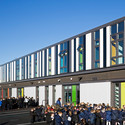
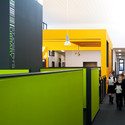
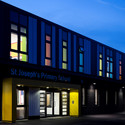
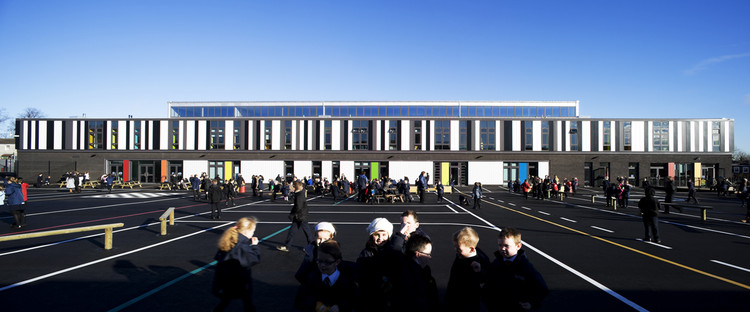
https://www.archdaily.com/190851/st-josephs-primary-school-paul-stallan-studioKritiana Ross
Educational Centre of the Medical Faculty of Charles University / DOMY


https://www.archdaily.com/191477/educational-centre-of-the-medical-faculty-of-charles-university-domyVictoria King
Park Shops Adaptive Reuse / Pearce Brinkley Cease + Lee

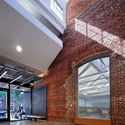
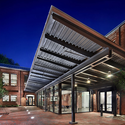
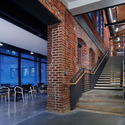
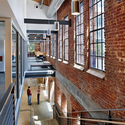

-
Architects: Pearce Brinkley Cease + Lee
- Area: 51 ft²
- Year: 2009
https://www.archdaily.com/189882/park-shops-adaptive-reuse-pearce-brinkley-cease-leeVictoria King
School 4 Burma Design Winning Proposal / Amadeo Bennetta and Daniel LaRossa

Building Trust International recently announced that designers Amadeo Bennetta and Daniel LaRossa, of Berkeley, California have won the School 4 Burma Design Competition. The winning design, for a modular school for migrant and refugee children in the Thai-Burma border town of Mae Sot, beat entries from all over the world as the competition generated progressive, contemporary design solutions. Over 800 designers and academic institutions expressed interest. More images and description on the winning proposal after the break.
https://www.archdaily.com/191360/school-4-burma-design-winning-proposal-amadeo-bennetta-and-daniel-larossaAlison Furuto
Marselisborg High School / GPP Architects

Located in the beautiful Marselisborg district, within the center of Aarhus city, is Marselisborg High School, one of Denmark’s most renowned schools, rich in tradition and history – often featured in books and movies. Today, Marselisborg High School is very popular among the students within the city of Aarhus. With this first prize winning new addition, designed by GPP Architects, the school will continue to meet the high demands of modern and visionary high school education requirements. More images and architects’ description after the break.
https://www.archdaily.com/191345/marselisborg-high-school-gpp-architectsAlison Furuto
Lyneham Performing Arts Centre / HBO+EMTB

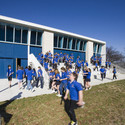
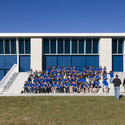
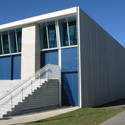
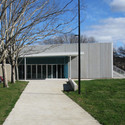

https://www.archdaily.com/187930/lyneham-performing-arts-centre-hboemtbKritiana Ross
Multi-Purpose Sports Facility Building / MoederscheimMoonen Architects

MoederscheimMoonen Architects recently presented the final design for a multi-purpose sports facility buidling in Houten, Netherlands. The building will be used by several local sports clubs of Houten like hockey, baseball and handball. Besides the use for sports, the building will be used for educational activities and will be a social meeting point for the whole area. More images and project description after the break.
https://www.archdaily.com/191063/multi-purpose-sports-facility-building-moederscheimmoonen-architectsAlison Furuto
Mobile School for Burmese Refugees / in situ studio with Matt Weiss & David Hill

The design proposal for the mobile school for Burmese refugees, by in situ studio with Matt Weiss and David Hill-AIA, is made of a series of collapsable frames that can be easily demounted and rearranged to accommodate a change of location or growth in a community. The proposal for the school, which won an honorable mention in the Building Trust International Competition, can be erected in one day in a collaborative effort, with twelve people assembling the frames and small groups cutting and weaving bamboo on site. The school provides a center for the community and claims territory for sustaining the community’s future. More images and project description after the break.
https://www.archdaily.com/191021/mobile-school-for-burmese-refugees-in-situ-studioAlison Furuto
UMD Swenson Civil Engineering Building / Ross-Barney Architects
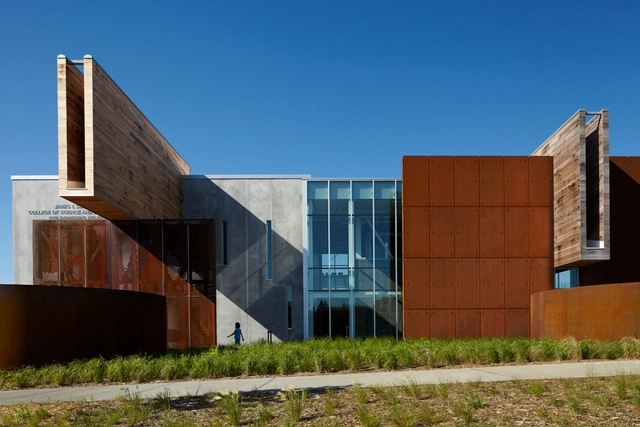
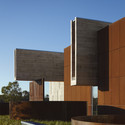

-
Architects: Ross-Barney Architects
- Area: 35300 m²
-
Manufacturers: PPG IdeaScapes
https://www.archdaily.com/189461/umd-swenson-civil-engineering-building-ross-barney-architectsVictoria King
CIC ENERGIGUNE / ACXT

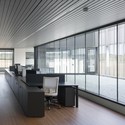
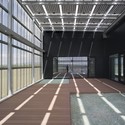
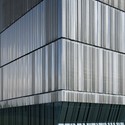
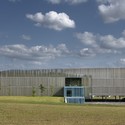

https://www.archdaily.com/189577/cic-energigune-acxt-arquitectosMegan Jett
Laurel Park Elementary School / Pearce Brinkley Cease + Lee


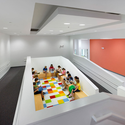
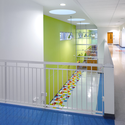
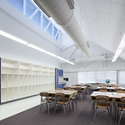

-
Architects: Pearce Brinkley Cease + Lee
- Area: 110 ft²
- Year: 2008
https://www.archdaily.com/189798/laurel-park-elementary-school-pearce-brinkley-cease-leeVictoria King
Disaster Prevention and Education Center / LEON11

‘Inhabiting the sky’, a project proposal for the Istanbul Disaster and Prevention Center by LEON11, aims both, to provoke a radical impression over the visitants and to take care of nature. In doing so, their design creates an awareness about sustainability through the understanding that nature is not something that we have to fear, but just to respect and love. To get the main point across of understanding nature by being surrounded by it, they are reaching out to show visitors. Once they get in the center, visitors get the feeling of being surrounded by clouds. More images and architects’ description after the break.
https://www.archdaily.com/189937/disaster-prevention-and-education-center-leon11Alison Furuto
Green Forest Middle School / Modus Studio

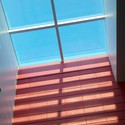
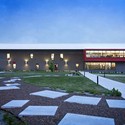
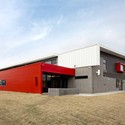
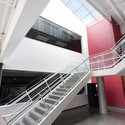

https://www.archdaily.com/188913/green-forest-middle-school-modus-studioVictoria King
Video: Universidad Catolica School of Design / Sebastian Irarrazaval, by Cristobal Palma
Chilean architect Sebastian Irarrazaval recently completed the new building for the Universidad Catolica School of Design in Santiago, Chile.
The new 4-stories tall building is organized around two patios with different spatial qualities, that create new intimate spaces in the campus. The building is cladded in corten steel, a material chosen to age with the building, contrasting with the combination of concrete and light wood to give a more intimate character to the interior spaces, patios and circulations.
Thanks to this video by architectural photographer Cristobal Palma we are able to see dynamic aspects of the building in use, such as the the windows, which play a key role bringing indirect light to the classrooms and allowing for cross ventilation through the patios.
More videos by Cristobal Palma at ArchDaily:
https://www.archdaily.com/189623/video-universidad-catolica-school-of-design-sebastian-irarrazaval-by-cristobal-palmaDavid Basulto
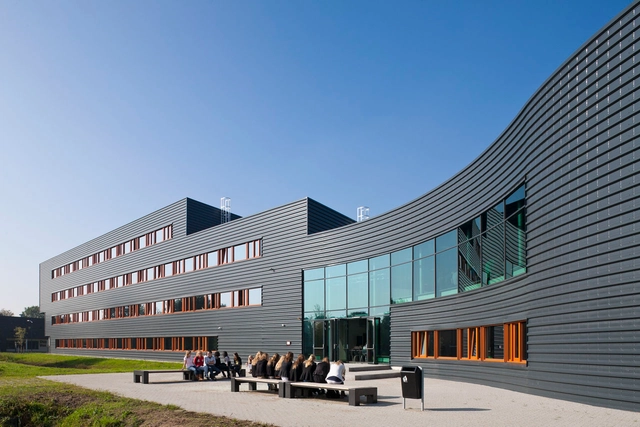
Zwijsen College / Jeanne Dekkers Architectuur
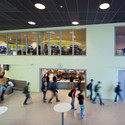

-
Architects: Jeanne Dekkers Architectuur
- Year: 2011
https://www.archdaily.com/187737/zwijsen-college-jeanne-dekkers-architecteurKritiana Ross
Disaster Prevention and Education Center / OODA

For their competition proposal, OODA believes that in the process of generating architecture, they cannot have success without imagination because that is the most efficient tool or possibility to generate scenarios, predict spaces and reinvent ambiances. For this unique equipment, their approach tries to merge the most efficient program articulation with a strong concept which intends to suggest the overall theme integrated with Istanbul’s context. The main program components require a specific connectivity overlap that generates directly a crossed axis of piled interrelated spaces. Then, as a conceptual driven figuration, this formal arrangement suffers the effect of a natural disaster – earthquake – and falls down until achieving its structural stability on the ground creating as well the landscape topography with the same principle. More images and architects’ description after the break.
https://www.archdaily.com/189063/disaster-prevention-and-education-center-oodaAlison Furuto
Biosciences Centre Extension, University of Auckland / S&T Wellington
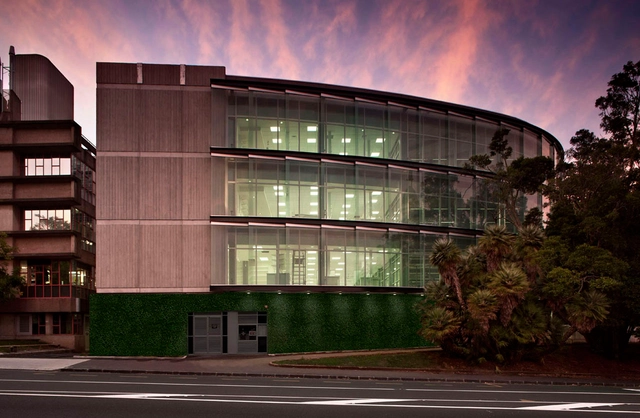
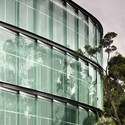
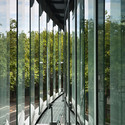

https://www.archdaily.com/188088/biosciences-centre-extension-university-of-auckland-stephenson-turnerVictoria King
Disaster Prevention and Education Center / GVNM Arquitetos

The construction of the Istanbul Disaster Prevention and Education Center in the Bakırköy district offers the possibility of redefining the territory in this area of the city. It is the perspective of GVNM Arquitetos that they should not extend the logic of the surroundings, with high independent buildings that do not establish relations between each other and do not create an urban fabric. Therefore, with the intent of consolidating the existing fabric and to depart from the image of the nearby constructions, their aim is to create a space and a building truly unique and singular, closer to a natural construction than of an urban structure. More images and architects’ description after the break.
https://www.archdaily.com/188650/disaster-prevention-and-education-center-gvnm-arquitetosAlison Furuto