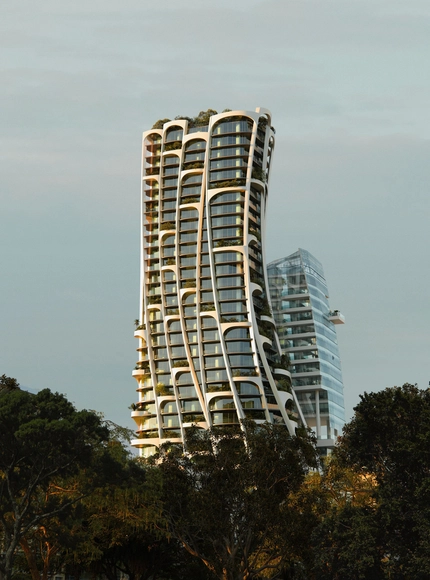
The architecture firm MAD Architects, based in Beijing, China, has presented the design of its first project in South America, the mixed-use "Qondesa" tower in Quito, Ecuador, which will soon become the tallest building in the city.


The architecture firm MAD Architects, based in Beijing, China, has presented the design of its first project in South America, the mixed-use "Qondesa" tower in Quito, Ecuador, which will soon become the tallest building in the city.
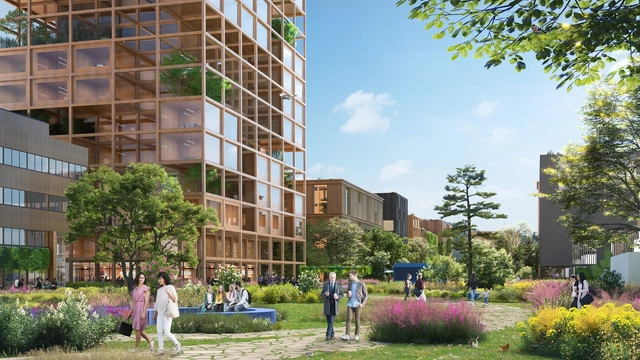
MVRDV has revealed the master plan to expand the Noviotech Campus, a giant in Health & High Tech Innovation, in Nijmegen, east of the Netherlands. The concept combines the campus's already scattered buildings, adds new structures where there are gaps, and integrates the site within the city, putting ecology first. The municipality of Nijmegen, Kadans Science Partner, and NXP Semiconductors will collaborate with Noviotech Campus and MVRDV in the following months to develop and refine the master plan.
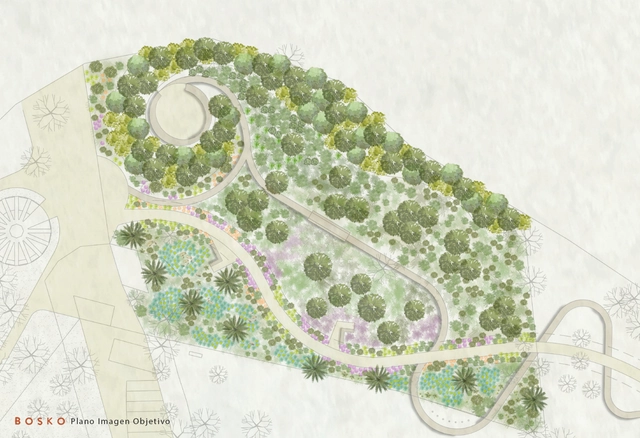
During the 19th century, efforts to improve the quality of urban life focused on creating gardens and parks, marking the beginning of the evolution of landscaping as a modern discipline. However, despite remarkable examples worldwide, excessive structure and artificiality in urban parks have gone against the motivations that gave rise to them. In many cases, their design has resulted in decontextualized and inefficient public spaces that are highly demanding on resources and far from being truly sustainable.
The strict use of geometry and the imposition of species that are difficult to adapt and care for are gradually giving way to a more organic approach to landscaping, tailored to local ecosystems and more efficient in its development and conservation. Native forests embody all these positive aspects. They not only ecologically restore degraded areas but also improve air quality and retain rainwater, creating biodiverse green spaces that deeply connect people with nature. We spoke with Magdalena Valdés, founder and director of Bosko, who explains why native forests are the right path towards conscious and truly ecological landscaping.
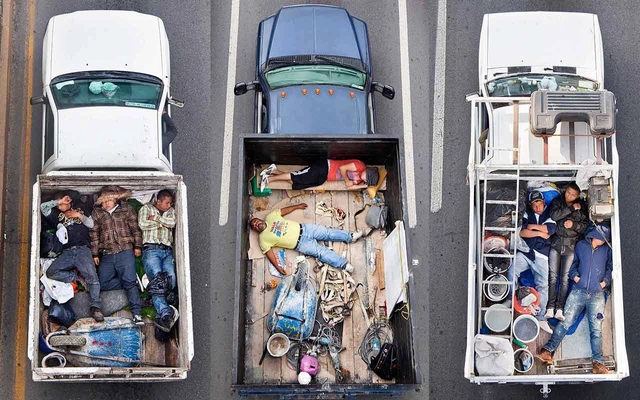
The philosopher and sociologist Henri Lefebvre coined the notion of "production of space" in 1974, breaking with the vision of space as a container or scenario of objects and social relations, to move towards space understood as a process. From this vision based on the Marxist tradition, space is a product and a producer of social relations and processes.
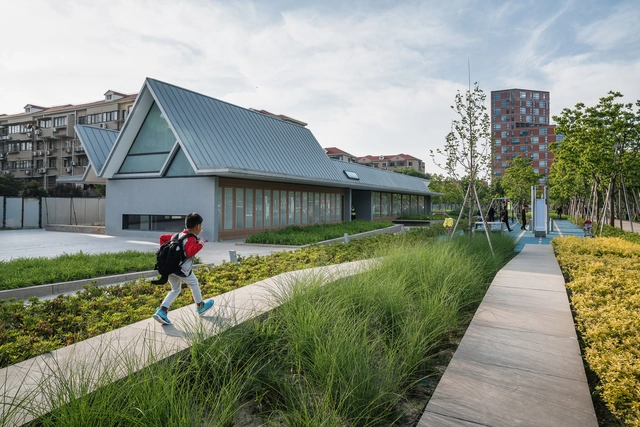
World Wetlands Day is celebrated every February 2nd to raise awareness of wetlands. This day also marks the anniversary of the Wetlands Convention, adopted as an international treaty in 1971. Its enactment is because nearly 90% of the world's wetlands have been degraded since 1700, decimated three times faster than the forests. However, they are essential ecosystems that contribute to biodiversity, climate mitigation and adaptation, freshwater availability, world economies, and much more.
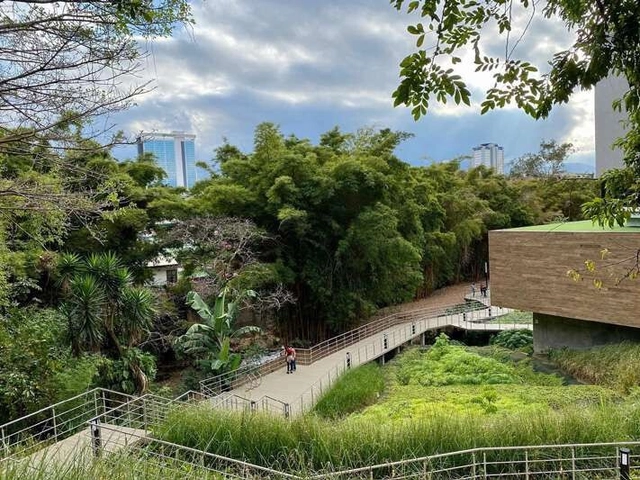
Green corridors, or biodiversity corridors, are large portions of land that receive coordinated actions to protect biological diversity. According to Brazil’s National System of Nature Conservation Units, they strengthen and connect protected areas, encouraging low-impact use by implementing a more comprehensive, decentralized and participatory conservation alternative.
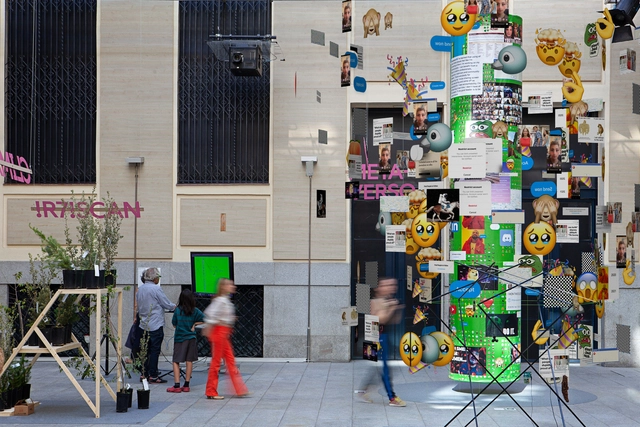
Looking to reformulate the relationship between humans, territories, and globalization, “Ecologies for Other Architectures” gathered for two days in Madrid emerging international architects to propose narratives on urban environments and their undergoing changes. Curated by Itinerant Office within the network of New Generations, the event featured 7 scenarios, 7 models, 7 narratives on nature, technology, bodies, material transformation, soil, participation, and (no) humans. The event employed recycled material and a fast-mounting strategy to guarantee zero impact.
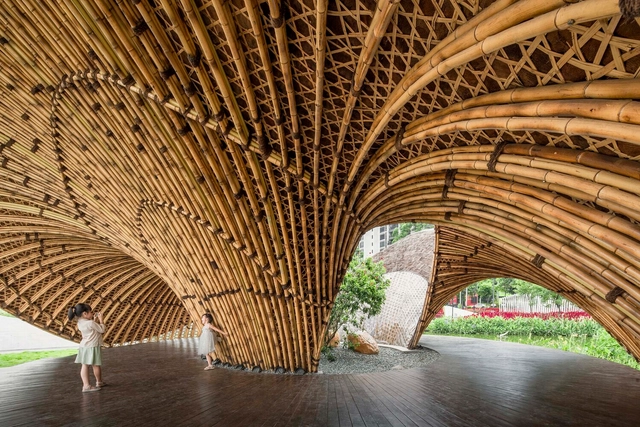
There was a time when buildings wanted to be mountains, roofs wanted to be forests, and pillars wanted to be trees. As the world began to go into a state of alert with the melting of glaciers and the consequent rise of Earth’s temperature, architecture – from a general perspective – was concerned with imitating the shapes of nature. Something close to human-made “ecosystems”, seen by many as allegoric and decorative, in service of marketable images of “sustainable development”.
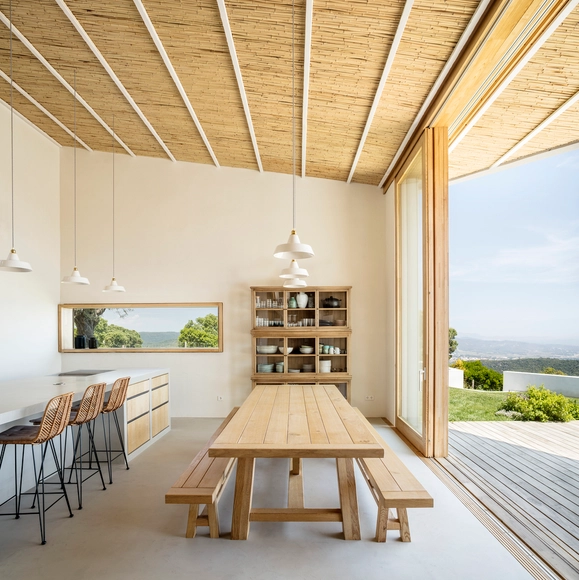
As part of the effort to make the construction sector more sustainable in the face of the climate crisis, the bioeconomy has stood out. While the road to net-zero architecture is still very complex, the emerging shift in culture and general thinking is evident, and innovation seems to be driving this transformation.
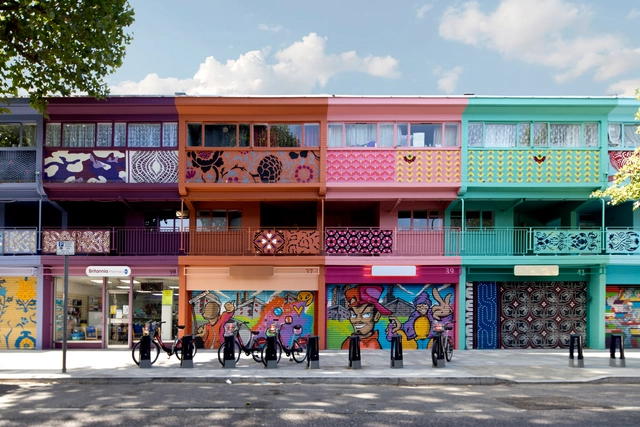
The award-winning firm based in London, England, Jan Kattein Architects, works to realize the civic and spatial opportunities that architecture presents’ with their projects establishing a social and physical legacy, achieved by embracing an open, interactive design process that responds positively to the needs and aspirations of the clients.
Allowing the process to drive each individual project, their method stimulates innovative design, seeking to add benefits through education, economic growth, cultural activity, and greater community coherence.
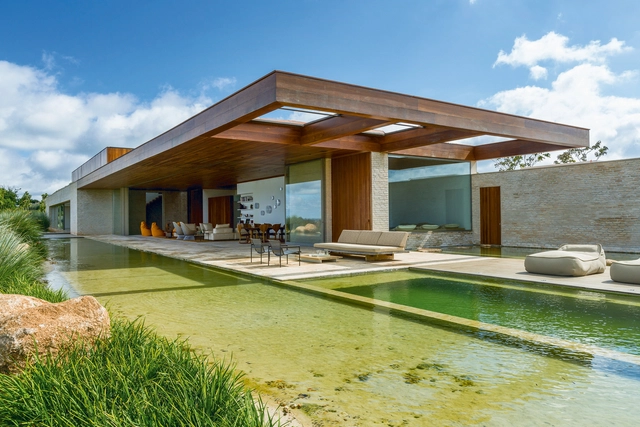
At a time when biophilia is highly valued in architecture, natural pools become another element capable of increasing the connection with nature, enabling the creation of a recreational and contemplative space at the same time. Also known as ecological or biological pools, they reproduce an ecosystem composed of plants, rocks and even some species of fish.
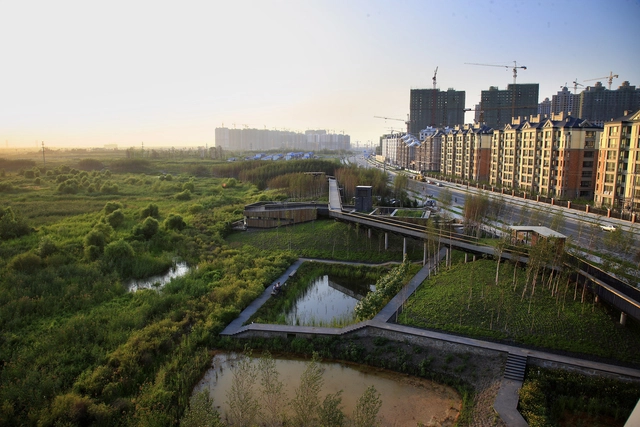
According to the architect and researcher Patrícia Akinaga, ecological urbanism emerged at the end of the 20th century as a strategy to create a paradigm shift with regard to the design of cities. With this, urban projects should be designed from the potential and limitations of existing natural resources. Unlike other previous movements, in ecological urbanism architecture is not the structuring element of the city — the landscape itself is. In other words, green areas should not only exist to beautify spaces, but as true engineering artifacts with the potential to dampen, retain and treat rainwater, for example. With ecological urbanism, urban design becomes defined by the natural elements intrinsic to its fabric.
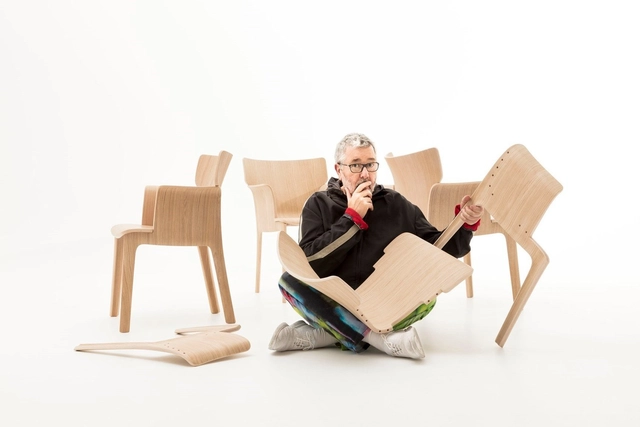
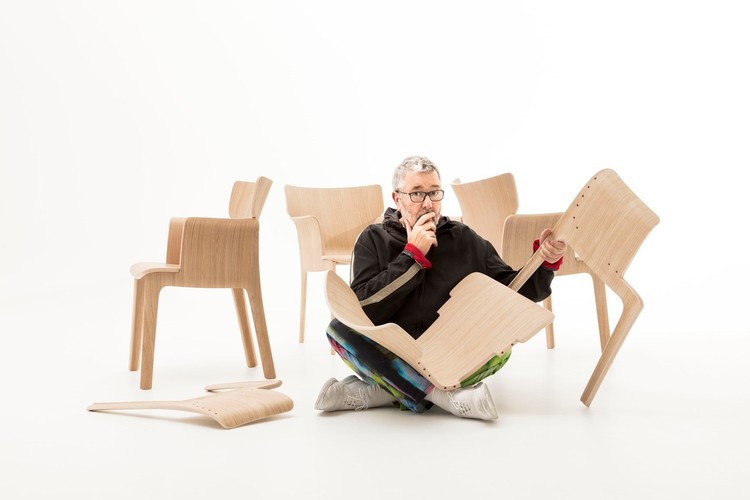
Believing that a creator has a duty towards society, Philippe Starck, is a multifaceted designer whose projects span across many disciplines. From architecture and interiors to industrial and furniture design, Starck’s portfolio is always, as he puts it, “focused on the essential”, and “must improve the lives of as many people as possible”. Author of Alessi’s famous lemon squeezer, he is known for pushing the boundary of design in everyday objects.
With 10,000 creations, completed or yet to come, Philippe Starck is a pioneer in “making things in the way of ecology”. In fact, ArchDaily had the chance to meet the designer at the 2021 Salone del Mobile, to discuss his design approach and visions as well as hislatest plywood creation for Andreu World.
_NAARO_-_Copia.jpg?1606329213&format=webp&width=640&height=580)
In 1941, Swiss engineer George de Mestral was coming back from a hunting trip with his dog when he noticed that some seeds kept sticking to his clothes and his dog's fur. He observed that they contained several "hooks" that caught on anything with a loop, and from studying this plant, seven years later, he invented the hook and loop fastener, which he named Velcro.
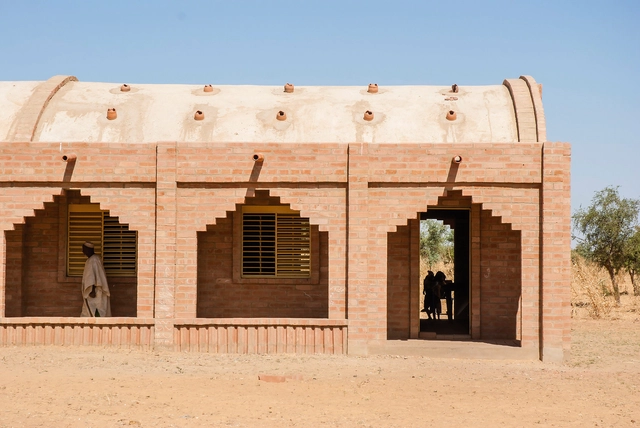
Vernacular architecture can be defined as a type of local or regional construction, using traditional materials and resources from the area where the building is located. Consequently, this architecture is closely related to its context and is aware of the specific geographic features and cultural aspects of its surroundings, being strongly influenced by them. For this reason, they are unique to different places in the world, becoming even a means of reaffirming an identity.
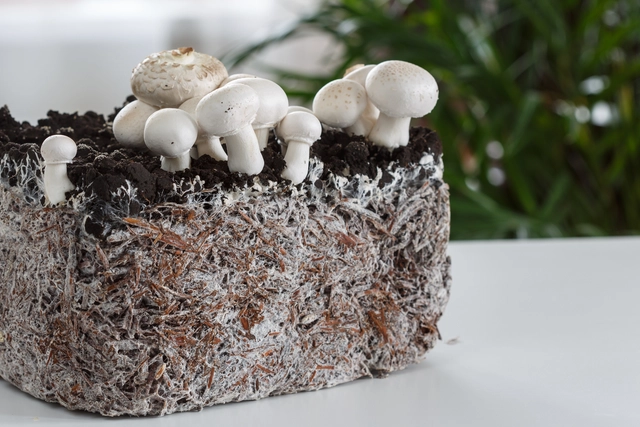
Fungi are everywhere. In the air, in the water, in our bodies, in the trees, in the ceilings of our bathrooms, underground. They can be mushrooms (edible, medicinal, hallucinogenic, or very poisonous), or take other simpler forms, such as molds. They can trigger illnesses, but they can also produce antibiotic remedies, such as penicillin, or help ferment amazing cheeses and breads. Could they also be the future of packaging and building materials?


.jpg?1645660187 "Cidade colombiana transformou 18 ruas e 12 hidrovias em paraísos verdes. Imagem cortesia de CicloVivo")




_NAARO_-_Copia.jpg?1606329213)