

-
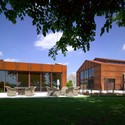
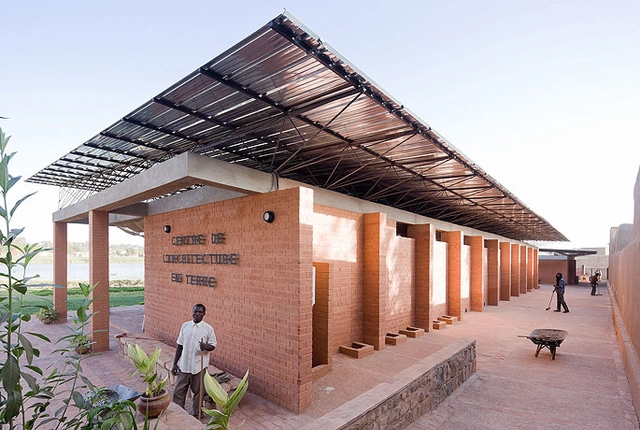
Architects: Kéré Architecture
- Area: 480 m²
- Year: 2010



The Barcelona Ecological Center (BEC) is a proposal of Vilalta Architects about the future of the Bullfight Plaza ‘Monumental’ in Barcelona, Spain. The concept is radical: Transforming the bullring into a center of research and leisure regarding to environmentally friendly activities, especially the ones that respect and take care of animals. In other words, to use all the elements that already exist now in the ring to be reused in the opposite way. More images and architects’ description after the break.


The attempt of architect, Vlado Valkof, with designers Malgorzata Blasik and Anne Valkof, in the New Taipei City Museum of Art competition is to find the essence of art and to materialize our notion of art. To redefine the meaning of the art museum and to alter the way art museum functions. To organize a relationship between ourselves and the world around us. More images and architects’ description after the break.


As one of the winners for an open competition, the concept of the Put Vejini concert stage, by Jevgenijs Busins, Anton Gonda, and Ivo Dzenis, is based on the acoustic possibilities of building. The goal was to achieve maximum acoustic potential using a minimal amount of materials and to get an aesthetically appealing image of a concert hall. More images and architects’ description after the break.

The goal of ISA and NEAR Design for the Kaohsiung Port Station, serving the largest harbor in Taiwan, is to revitalize the Port station area into a Transitional Park (Trans-Park) where daily life and events, past and future, landscape and city, land and water coexists. With the city’s cultural production and tourism in mind, the site will become an icon of Kaohsiung. More images and architects’ description after the break.

The new Busan Opera House, designed by Nabito Arquitectura, will put the city on the international map, allowing it to become part of the network of world renowned opera houses. As another node in the network, the I-Opera, the title of their project, will not only be integrated on an international level, but it will also serve as a landmark on the local level. It will be present in the collective memory of the people of Busan and also be a part of their daily life experience. More images and architects’ description after the break.

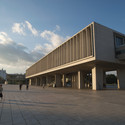
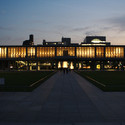
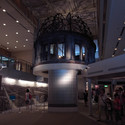
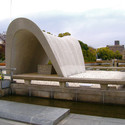
On August 6th, 1945, a B-29 bomber dropped the first atomic bomb in history over Hiroshima, Japan, targeting the intersection of bridges over the Honkawa and Motoyasu rivers. The bomb devastated Hiroshima within a radius of 5 km, resulting in 140,000-150,000 deaths by December of that year.

The design by DRA&U, which is meant to accommodate cultural activities, comes from the study of shells, their real geometry, neither ideal, nor platonic. The x-ray analysis of these slender bodies gave them the ability to perceive the deficiencies, deviations, and a set of slight imperfections due to environmental disturbances during development, which makes them so fascinating. Each shell contains history and a body that evolves with sublime patience, where the beauty, usefulness, functionality and aesthetics are linked to each other, because the amazing beauty lies not only in the outer (what you see usually), but also lurks in intimacy than hidden. More images and architects’ description after the break.