COP26, The United Nations Climate Change Conference, is scheduled to be held in Scotland soon, in the last week of October 2021. Against the backdrop of this conference is a heightened global awareness of climate change, as discussions take place on how a sustainable, more equal future can be achieved. The present and future state of architecture is a key component of this conversation, as criticism is levelled at architecture firms that “greenwash” and questions are raised on if the term “sustainability” is increasingly merely being used as today’s buzzword.
This year both organizations have defined themes related to improving the quality of life and reducing the effects of the climate crisis by taking action in the built environment. While the International Union of Architects' 2021 World Architecture Day theme is "Clean Environment for a Healthy World", UN-Habitat's World Habitat Day has announced "Accelerating Urban Action for a Carbon-Free World" as their topic.
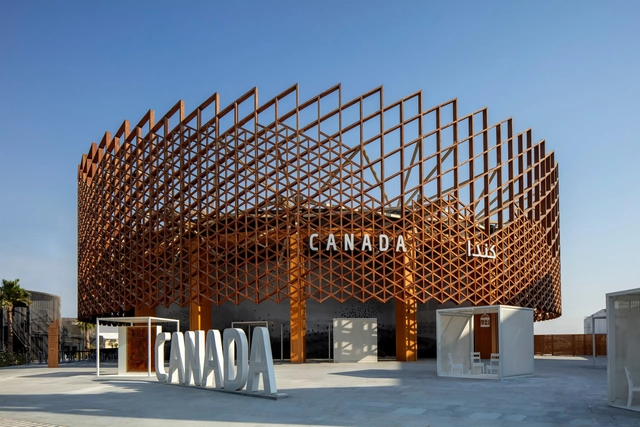
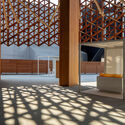
Designed by Toronto-based practice Moriyama & Teshima Architects and construction company ElisDon, the Canadian Pavilion for Expo 2020 Dubai aims to bridge the two cultures by echoing Canada’s landscapes and incorporating Arabic architectural elements with its wooden lattice facade a reference to the traditional Mashrabiya. Accompanying the pavilion is the art installation Traces created by Montréal-based firm KANVA, which brings a poetic reflection on the uncertainty of the future of ecosystems to the exhibition grounds.
The impact that the climate crisis has had on the globe over the last decade is a critical influence on how architects and urban planners design future cities. It’s clear that both at an individual and corporate level, it’s important to take action and protect the earth before the negative impacts change our familiar environments forever- and time is running out fast. When it comes to creating ways to save our cities from “the next big one”, whether it be a hurricane, flood, snowstorm, or fire, the way that we design the preventative infrastructure neglects a significant number of people. Climate change doesn’t just impact the wealthiest places in the world, it actually has greater effects on the most impoverished.
Since the 2015 Paris agreement, mitigating climate change has been established as a common, world-encompassing goal; however, both the impacts of the climate crisis and the actions currently being taken vary widely across the globe. At the moment, the most prominent cities are outpacing governments in addressing the climate crisis and fostering a green transition, but their actions are counteracted by inaction and an increase in carbon emissions elsewhere. Moreover, the vulnerabilities and adaptive capacity to different levels of climate disruptions vary across nations. Discussing environmental inequalities through the lens of climate risks and mitigation actions, the following highlights the need for a global coordinated and transdisciplinary effort in addressing the climate crisis.
In the evolving campaign to combat climate change, big and bold solutions are increasingly easy to find, from the conceptual “water smart city” and ecologist Allan Savory’s vision for greening the world’s deserts to NYC Mayor Bill de Blasio’s plan to turn part of Governors Island into a “living laboratory” for climate research. Oyster reef restoration is occurring at nearly every critical junction along the eastern seaboard, from Florida to Maine. These are worthy efforts, and yet, when considered collectively, the onus for solving our climate crisis is being left largely to municipal governments and private actors, making most solutions piecemeal, at best. The success of one approach has little to no correlation with that of another. But what happens when all related solutions can be applied within a single, controlled ecosystem when environmentalism and urbanism are not at odds, but working in concert? Enter the experimental city.
https://www.archdaily.com/968595/rethinking-the-role-of-experimental-cities-in-combating-climate-changeJustin R. Wolf
Architecture 2030 is calling on all architects, engineers, planners, and individuals involved in the building sector worldwide to design all new projects, renovations, landscapes, cityscapes, and infrastructure to be zero carbon starting now.
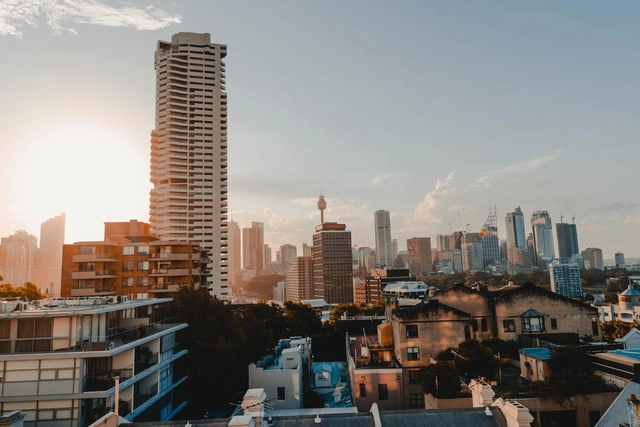
Prolonged heatwaves have been increasingly common in recent years, and cities are devising various strategies for combating the urban heat island effect. As Sydney experienced blistering summer temperatures of up to 50 degrees Celsius, the authorities have recently banned dark roofs on new homes and mandated lighter-coloured alternatives to reflect solar radiation. In Europe, Athens has taken the example of Miami and hired a Chief Heat Officer, tasked with finding coping strategies as the city confronts with heatwaves and wildfires that prompted a large number of residents to vacate the capital.
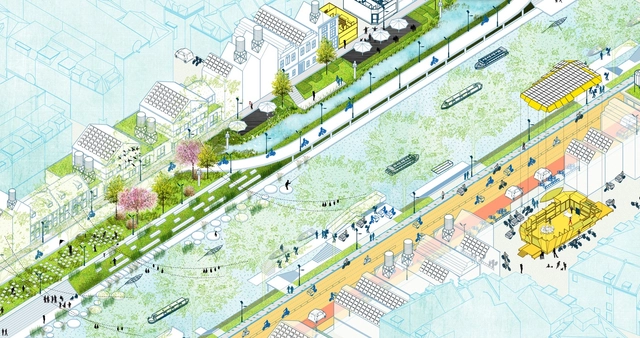
“Atelier Stad Breda”, 2015. In the image a series of design strategies touching upon energy, ecology and economy come together.
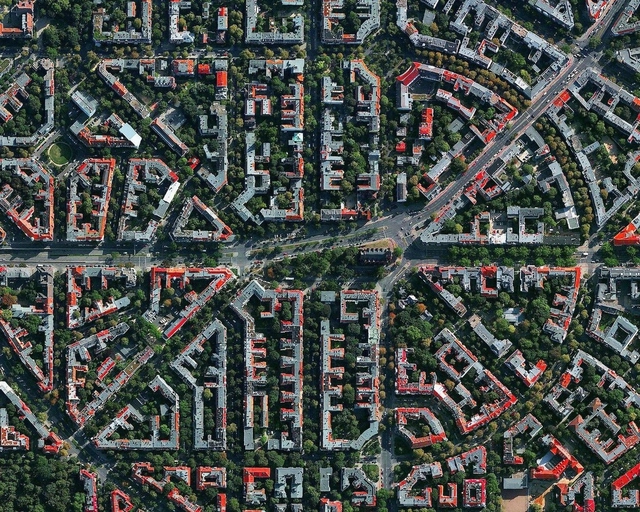
By some estimates, cities consume over two-thirds of the world’s energy, and account for more than 70% of global CO2 emissions: a figure sure to increase as the global migration from rural to urban areas continues. In the pursuit of exploring new models for how healthy cities could more effectively sustain these demands, Dutch design and research studio FABRICations has investigated how cities of the Netherlands can reduce carbon emissions through new design-led approaches.
https://www.archdaily.com/918940/6-steps-for-designing-healthy-citiesNiall Patrick Walsh
The climate has changed, and we have been left grappling with the consequences: high temperatures, flooding, drought and much more. As the world shifts (or tries to shift) to ways to mitigate the crisis, the architecture and construction industry finds itself in a particularly important position whose choices can create real impact. Some of these choices can include innovative products that offer real solutions to complex problems, such as the cooling down of temperatures in highly dense cities.
https://www.archdaily.com/966730/white-paint-can-cool-down-our-heating-citiesDaniela Porto
The "Climate Emergency" continues to embody a renewed worldwide focus on tackling climate change. While there is no "one solution" to the multifaceted challenges brought about by this crisis, there is an onus on every citizen, in both a personal and professional capacity, to apply their skills and actions in addressing the profound pressures on the natural world.
For those involved in the design of buildings and cities, be they architects, urbanists, or citizens, there is a deep responsibility to be aware of, and design for, the impact of climate change. With 36% of global energy devoted to buildings and 8% of global emissions caused by cement alone, the architectural community is deeply entwined with the flows of materials, energy, and ideas that relate to climate change, both causes, and solutions.
https://www.archdaily.com/931240/the-facts-about-architecture-and-climate-changeNiall Patrick Walsh
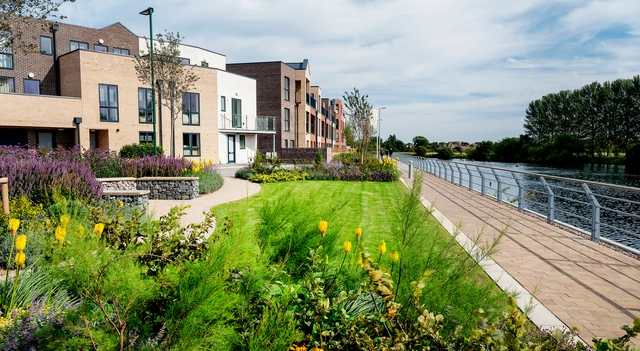
Courtesy of Trent Basin, Nottingham, UK. Blueprint Regeneration, Martine Hamilton Knight
A new report from the Intergovernmental Panel on Climate Change (IPCC) states that global warming of 1.5°C (2.7 °F) is essentially inevitable in coming decades. The question now is whether the world can prevent further, more destructive warming of 2°C (3.6°F), or, even worse, 3°C (5.4°F), which is what current policies put us on a trajectory to experience. Our economies can only put another 420 gigatons of greenhouse gas emissions into the atmosphere if we want a good chance of keeping a temperature increase to 1.5°C instead of 2°C. At our current pace, the world’s carbon budget will be used up before 2030. We need to phase out fossil-fuel use, build thousands of new clean power plants -- and swiftly move to power our homes, offices, schools, and transportation systems with clean energy.
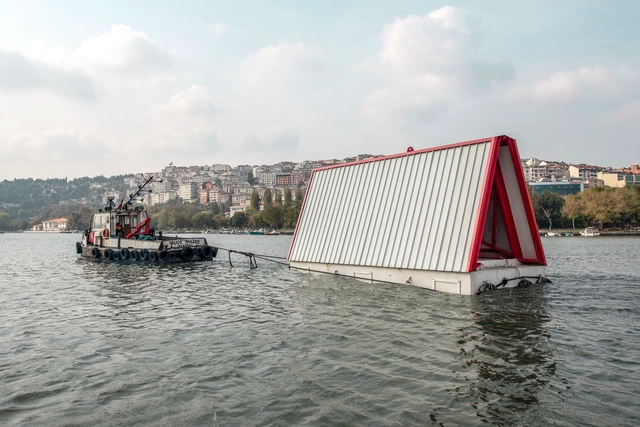
According to data from CRED (Centre for Research on the Epidemiology of Disasters) and UNISDR (UN Office for Disaster Risk Reduction), in a report released in 2016, the number of disasters related to the climate change has duplicated in the last forty years. The need for temporary shelters for homeless people is, as well as an effect of the climate crisis, is also one of the consequences of the disorderly growth of cities, which leads to a significant part of the world population living in vulnerable conditions due to disasters.
Videos
‘Carbon to Rock’ en la Biennale Architettura 2021. Fotografías: Raul Betti y Adolfo Guiard Torre-Marín. Image Cortesía de Igneous Tectonics
Climatic conditions throughout the world are changing and with extreme temperatures and scarce resources becoming the norm, architectural materials and techniques are having to innovate to prepare for the future.
'Carbon to Rock' is an installation by IGNEOUS TECTONICS (Cristina Parreño and Sergio Araya) being presented in the 2021 Venice Biennale that highlights volcanic rock as a promising material in the global push to mitigate climate change.
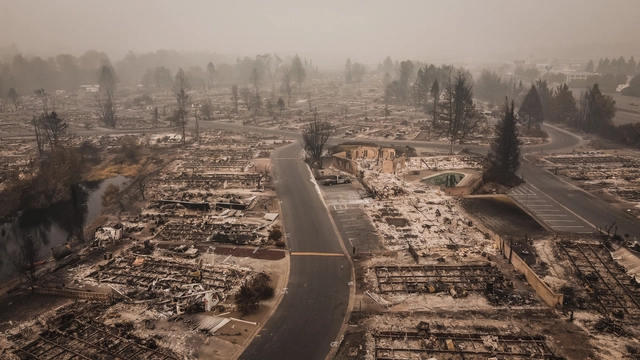
via Shutterstock by ArboursAbroad. ImageAerial View of the Almeda Wildfire in Southern Oregon
The Intergovernmental Panel on Climate Change, the UN's body for assessing the science related to climate change, has recently published a comprehensive report documenting the extent of global warming. The paper provides new time estimates for crossing the 1.5 degrees Celsius threshold, urging immediate and large-scale action to reduce greenhouse gas emissions. Following the publication of the report, UK Architects Declare has issued a statement inviting decision makers to a dialogue on how to collectively address the climate crisis while at the same time calling for the design professionals to re-evaluate their practice to support meaningful change.
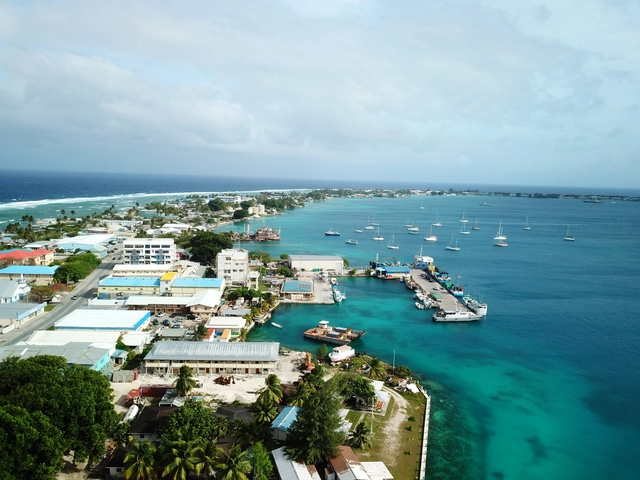
Recent extreme weather events and the acceleration of climate change, paired with decarbonization efforts that are not on track, make climate-related disruption unavoidable for urban environments, raising the issue of climate-risk adaptation. Moving past what can be done to prevent climate change, there is a strong imperative to develop strategies to prepare urban environments to cope with inevitable challenges such as sea-level rise, floods, water scarcity or extreme heat. The following discusses how cities can build resilience and adapt to undergoing and expected future climate threats.
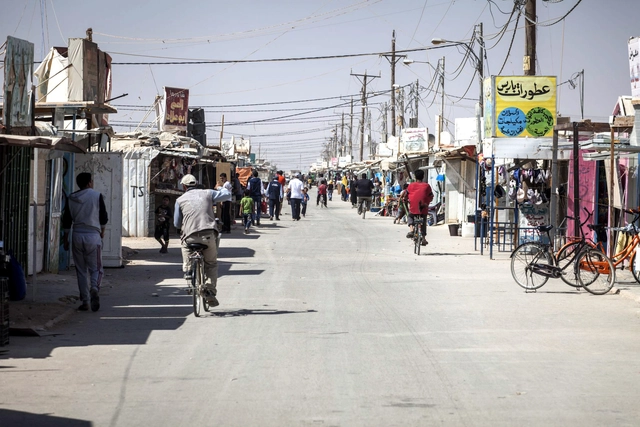
When we think of migration, we think of movement. We think of the movement of people simply looking for greener pastures – a better life for themselves. But we also think of war, of conflict, of an unstable situation in a specific place forcing the hand of a location’s residents to seek safety elsewhere. Historically and into present day, war has been the reason for the increased presence of refugees. Instability in places such as Syria, Iraq, or the Central African Republic have caused millions to flee their homes. Lurking amongst this migration due to conflict, however, is the migration of people at mercy of the changing environmental conditions of the Earth – climate migration.








.jpg?1632124377)







.jpg?1578004263&format=webp&width=640&height=580)


.jpg?1623868861&format=webp&width=640&height=580)