1. ArchDaily
  2. architectural heritage

architectural heritage: The Latest Architecture and News

Intestines of a Building: Aziza Chaouni on Architecture’s Systems and Resources

Audio available

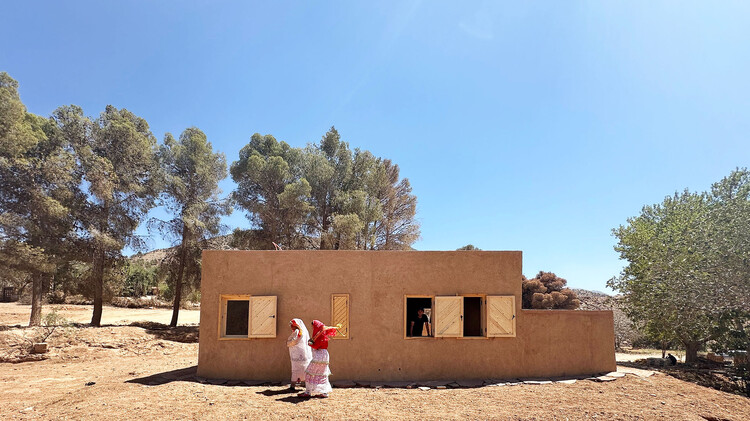
In an age so obsessed with skincare and appearances, few architects are truly interested in the intestines of our buildings. With a practice rooted in contextual awareness and technical pragmatism, sensitive to the needs of the people it serves and to resource limitations, Moroccan architect Aziza Chaouni focuses on the hidden systems that allow architecture to be. Over the past two decades, she has been working on projects across different geographies, particularly in the Saharan region, actively engaging with its communities and heritage.

Currently leading the South–North (SoNo) Lab for Sustainable Construction and Conservation at EPFL in Lausanne, Switzerland, Chaouni brings to the academic realm her architectural expertise in operating under pressing constraints, advocating for reciprocal collaboration between the Global South and the Global North. ArchDaily had the opportunity to speak with Aziza about her experience in Africa and how it can foster more sustainable ways of designing buildings for the future of our cities.


Intestines of a Building: Aziza Chaouni on Architecture’s Systems and Resources - Image 1 of 4Intestines of a Building: Aziza Chaouni on Architecture’s Systems and Resources - Image 2 of 4Intestines of a Building: Aziza Chaouni on Architecture’s Systems and Resources - Image 3 of 4Intestines of a Building: Aziza Chaouni on Architecture’s Systems and Resources - Image 4 of 4Intestines of a Building: Aziza Chaouni on Architecture’s Systems and Resources - More Images+ 25

The Centauric Heritage: Equine Scale and Mexican Monumental Architecture

Audio available

In the architectural history of the Mexican territory, the built environment has functioned not merely as a human stage, but as a biological infrastructure designed to organize proximity between species. The resulting spatial logic is not a solo performance, but a negotiated coexistence between human and animal bodies. To examine this heritage today is to shift the analytical focus away from stylistic authorship and toward a more fundamental phenomenon: the persistence of spatial practices that emerged to sustain shared forms of life.

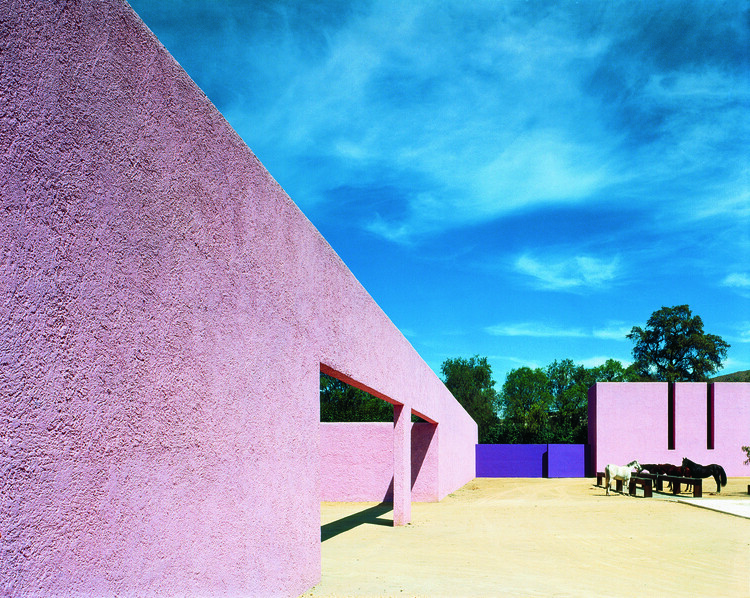
Many of the architectural features now interpreted as cultural or aesthetic markers — oversized thresholds, expansive patios, and durable surfaces — can be understood instead as material traces of an interspecies contract. For centuries, horses, mules, and livestock were not external to architecture but essential inhabitants whose physical presence shaped scale, circulation, and material choices. Their bodies left measurable imprints in space, from the height of entrances that accommodated mounted riders to paving systems designed to withstand hooves, friction, and biological wear. Nowhere was this contract more visible than at the ground level of the colonial house.

The Centauric Heritage: Equine Scale and Mexican Monumental Architecture - Image 1 of 4The Centauric Heritage: Equine Scale and Mexican Monumental Architecture - Image 2 of 4The Centauric Heritage: Equine Scale and Mexican Monumental Architecture - Image 3 of 4The Centauric Heritage: Equine Scale and Mexican Monumental Architecture - Image 4 of 4The Centauric Heritage: Equine Scale and Mexican Monumental Architecture - More Images+ 9