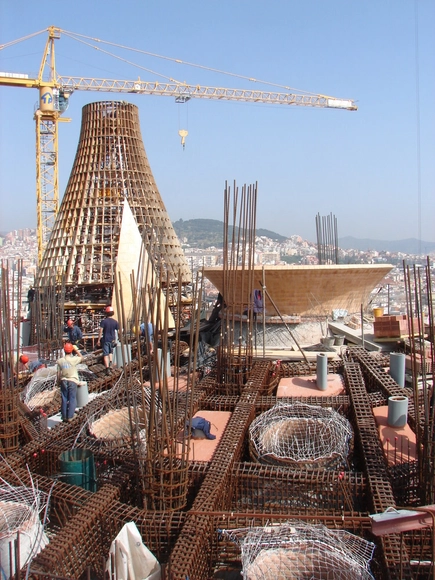
From Handcrafted Stone to 3D Printing: The Technological and Material Evolution of Gaudí's Sagrada Familia

A masterpiece is often defined as the most remarkable work in an artist's career, one which highlights the height of their techniques and ideals. The Mona Lisa by Leonardo da Vinci; Michelangelo's Pietá; the Beatles' Sgt. Pepper's Lonely Hearts Club Band album. There are many examples, which are not always unanimously agreed upon. But what if what many consider to be the masterpiece was started by someone else, the credited creator didn't live to see its completion, and almost all of its documentation was destroyed? Catalan architect Antoni Gaudí and his world-famous Temple Expiatori de la Sagrada Família are examples of these complications. From a highly crafted stone construction to the most modern 3D printing techniques and high strength concrete, numerous technologies were and continue to be incorporated in the project's construction.


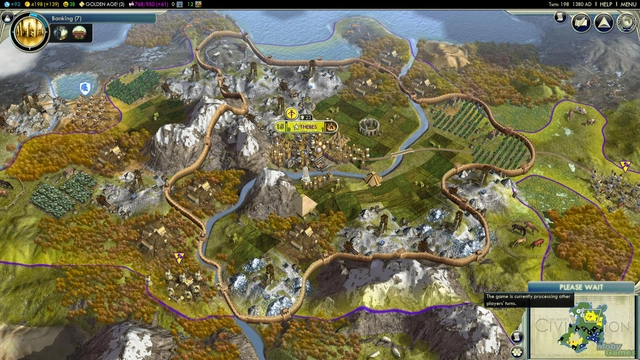
Cartography in the Metaverse: The Power of Mapping in Video Games

In this new collaboration, originally titled Cartografías del Metaverso (Cartography in the Metaverse), Spanish architects and founders of the blog MetaSpace, Enrique Parra and Manuel Saga, explore the potential of mapping in video games. Mapping can sometimes go beyond the mere role of orientation, as in the Diablo sequel, and become a very important element of the game, as in Civilization and World of Warcraft.

Architecting the Metaverse

You might have heard that Mark Zuckerberg wants Facebook to become a Metaverse Company, and earlier this year, Epic Games, the company that develops the Unreal Engine announced that it completed a 1 billion round of funding to support the long-term vision for the metaverse. Metaverse is definitely the hottest buzzword in the tech scene. In this article, we will briefly discuss what is Metaverse, who will build it, and most importantly why it matters for architects, and how can designers play a significant role in this upcoming digital economy?

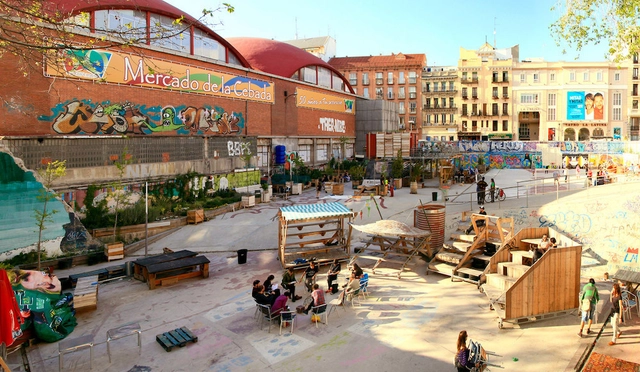
What Is Open-Source Urbanism?

Many initiatives around the world have lately focused on ways to improve the urban environment through the actions of their inhabitants, be it in designing, building, or managing projects. Open-source urbanism is a collaborative approach that seeks to enhance the citizens' capacity for change.

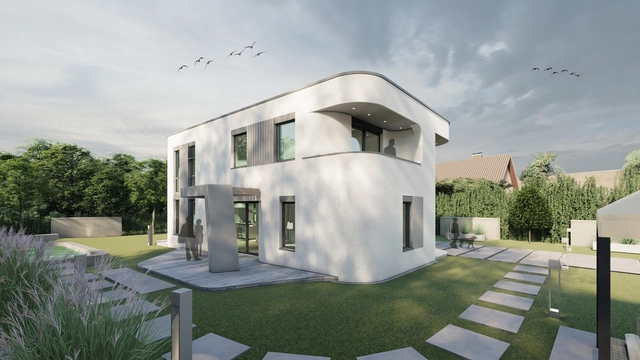
3D Printing for Residential is Market-Ready: Germany's First Building is Under Construction

The first 3D printed residential building in Germany, built by PERI GmbH, and designed by MENSE-KORTE ingenieure+architekten is undergoing construction in Beckum, North Rhine-Westphalia. The two-story printed detached house with approx. 80 sqm of living space per floor is using a system put into practice in Germany for the first time. In fact, the construction technique has come through all of the regulatory approval processes over the last few weeks and months.