1. ArchDaily
  2. Amaza Lee Meredith

Amaza Lee Meredith: The Latest Architecture and News

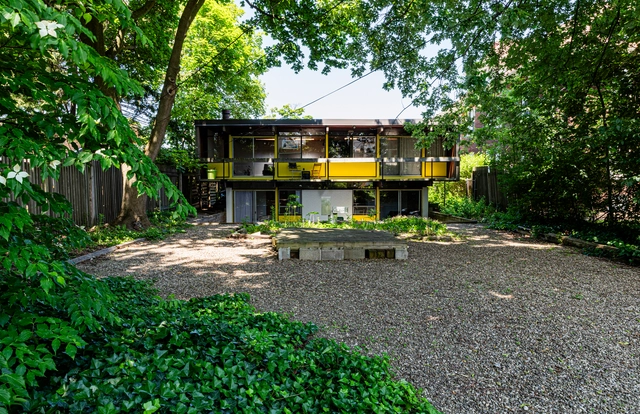
Conserving Black Modernism: An Initiative to Preserve African American Architectural Heritage in the United States

The Getty Foundation's Conserving Black Modernism initiative, launched in 2022, represents a pivotal effort to preserve and celebrate the architectural contributions of African American architects in the Modernist movement. This initiative, a partnership with the National Trust for Historic Preservation's African American Cultural Heritage Action Fund, aims to address historical oversight and ensure the legacy of these trailblazing architects is protected for future generations. Over three funding cycles from 2023 to 2025, the program supports conservation planning, professional training, and storytelling to highlight the cultural and architectural significance of these sites.


Conserving Black Modernism: An Initiative to Preserve African American Architectural Heritage in the United States - Image 1 of 4Conserving Black Modernism: An Initiative to Preserve African American Architectural Heritage in the United States - Image 2 of 4Conserving Black Modernism: An Initiative to Preserve African American Architectural Heritage in the United States - Image 3 of 4Conserving Black Modernism: An Initiative to Preserve African American Architectural Heritage in the United States - Image 4 of 4Conserving Black Modernism: An Initiative to Preserve African American Architectural Heritage in the United States - More Images+ 4

Representation Matters: 31 Black Women Architects Forging the Future of Architecture

Subscriber Access | 

Representation Matters: 31 Black Women Architects Forging the Future of Architecture - Image 5 of 4

Women think, plan and construct our buildings and cities, our living spaces. However, gender equality is not yet a reality in various social and professional practices. We see this in the face of physical and psychological violence suffered by women, lack of recognition, occupational impositions, wage differences, and so many others. This panorama concerns women from all over the world, but also within the architecture there are statistics that prove how women are still not socially and professionally valued.

Inside this framework of devaluation and inequality, black women face an even greater panorama of invisibility. The racial prejudice rooted in our society, as well as the still segmented opportunities generate a disparity of quantity and recognition of black professionals in the classes and areas of action of Architecture and Urbanism.