1. ArchDaily
  2. Adaptability

Adaptability: The Latest Architecture and News

Why Should We Design Spaces with Furniture on Wheels?

Subscriber Access | 

Why Should We Design Spaces with Furniture on Wheels? - Image 1 of 4Why Should We Design Spaces with Furniture on Wheels? - Image 2 of 4Why Should We Design Spaces with Furniture on Wheels? - Image 3 of 4Why Should We Design Spaces with Furniture on Wheels? - Image 4 of 4Why Should We Design Spaces with Furniture on Wheels? - More Images+ 30

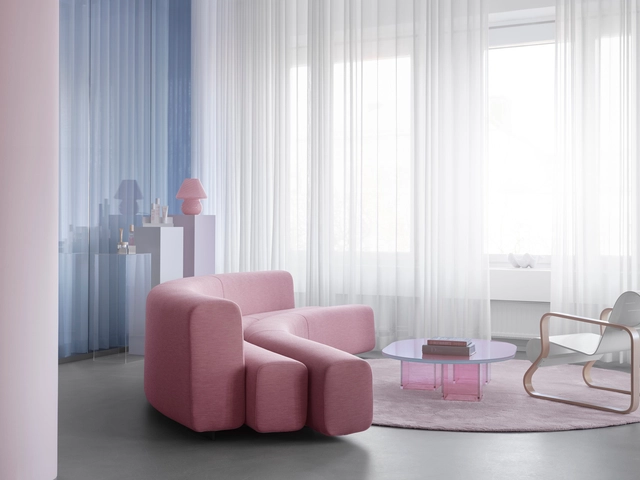
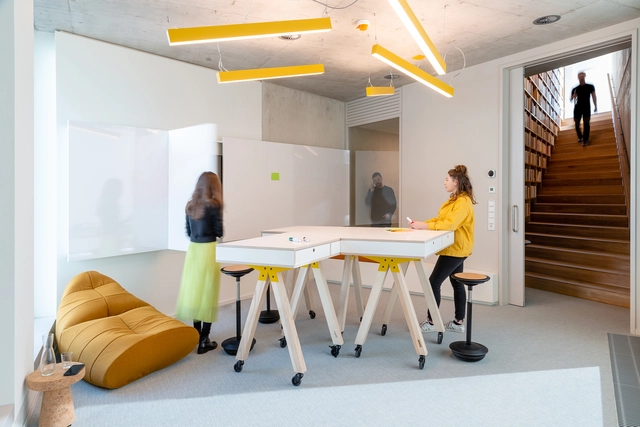
In a time where space grows more and more limited and people increasingly spend time at home, flexibility presents itself as an underutilized strategy of interior design. With flexible furniture, residents can optimize square footage and easily reshape configurations according to specific requirements and shifting needs. Below, we discuss the benefits and variations of furniture on wheels, closing with 7 example projects illustrating their creative and practical application.

UNStudio Designs a Multifunctional and Flexible Education Building for TU Delft in the Netherlands

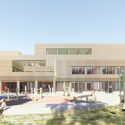
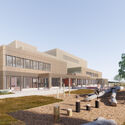
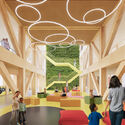
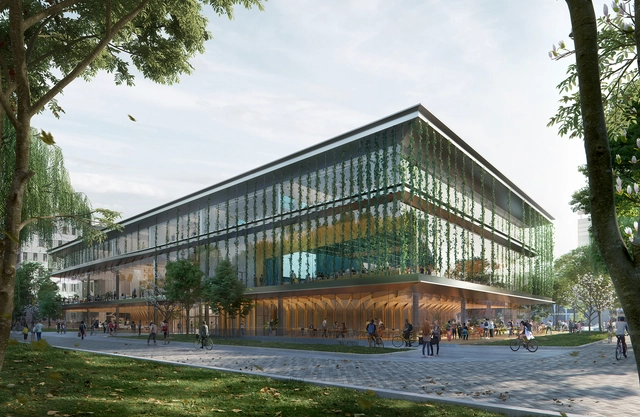
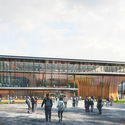
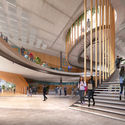
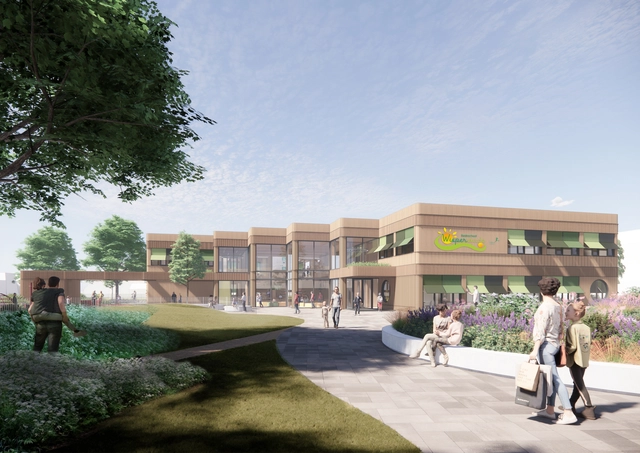
Part of Delft University of Technology (TU Delft), in the Netherlands, Echo is a new multifunctional and flexible inter-faculty building, now under construction and due for completion in Dec 2021. Designed by UNStudio, in collaboration with Arup and BBN, the future-proof facility meets the needs of the ever-increasing numbers of students.

UNStudio Designs a Multifunctional and Flexible Education Building for TU Delft in the Netherlands - Image 1 of 4UNStudio Designs a Multifunctional and Flexible Education Building for TU Delft in the Netherlands - Image 2 of 4UNStudio Designs a Multifunctional and Flexible Education Building for TU Delft in the Netherlands - Image 3 of 4UNStudio Designs a Multifunctional and Flexible Education Building for TU Delft in the Netherlands - Image 4 of 4UNStudio Designs a Multifunctional and Flexible Education Building for TU Delft in the Netherlands - More Images+ 7

HOME Competition Released their Results for the 2019 Edition

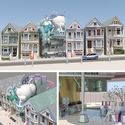
The HOME competition 2019, organized by architectural initiative arch out loud, has released its winning projects. The annual challenge that pushed the limits of adaptability and innovation, asked designers “What is the future of HOME?”

HOME Competition Released their Results for the 2019 Edition - Image 1 of 4HOME Competition Released their Results for the 2019 Edition - Image 2 of 4HOME Competition Released their Results for the 2019 Edition - Image 3 of 4HOME Competition Released their Results for the 2019 Edition - Image 4 of 4HOME Competition Released their Results for the 2019 Edition - More Images+ 28

Kjellander Sjöberg Wins Competition to Climate Proof the Coastal Town of Faaborg in Denmark

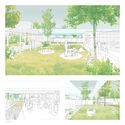
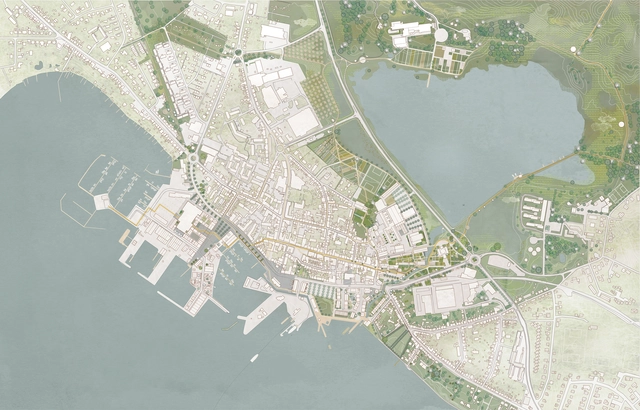
Kjellander Sjöberg, one of the leading architectural practices in Scandinavia, in collaboration with GHB Landskabsarkitekter, Mogens A. Morgen, Realise and Tyréns, was selected to design a strategic development plan for Faaborg. The coastal town in southern Denmark is facing many challenges like a high risk of flooding and an important decrease in its population.

Kjellander Sjöberg Wins Competition to Climate Proof the Coastal Town of Faaborg in Denmark - Image 1 of 4Kjellander Sjöberg Wins Competition to Climate Proof the Coastal Town of Faaborg in Denmark - Image 2 of 4Kjellander Sjöberg Wins Competition to Climate Proof the Coastal Town of Faaborg in Denmark - Image 3 of 4Kjellander Sjöberg Wins Competition to Climate Proof the Coastal Town of Faaborg in Denmark - Image 4 of 4Kjellander Sjöberg Wins Competition to Climate Proof the Coastal Town of Faaborg in Denmark - More Images+ 11

Trees Trees Trees! Design Competition

As you may know, things aren't going too well for mother earth. With challenges like deforestation, fires, pollution, and even methane from cows we are facing an uphill battle against climate change.

One of the simplest, and possibly most effective, methods to reverse the damage is to plant trees, billions of them. According to the respected Science Journal, "The restoration of forested land at a global scale could help capture atmospheric carbon and mitigate climate change."

This is no easy task and will require hundreds of millions of people to plant trees in their front yards, backyards, patios, open land, businesses, cities,

5 Architectural Secrets of the Badjao: 21st Century Sea People

Subscriber Access | 

Thousands of years ago, a small civilization of hunter gatherers migrated to the coastal regions of Southeast Asia. These people progressed into a widespread tribe of travelling sea dwellers. To this day, they remain a stateless people with no nationality and no consistent infrastructure, sometimes living miles away from land. Yet these people are one of the few civilizations whose collective life practices have survived so long through human history. They are called the Badjao, and they have a surprising amount to teach us about architecture.

5 Architectural Secrets of the Badjao: 21st Century Sea People - Image 1 of 45 Architectural Secrets of the Badjao: 21st Century Sea People - Image 2 of 45 Architectural Secrets of the Badjao: 21st Century Sea People - Image 3 of 45 Architectural Secrets of the Badjao: 21st Century Sea People - Image 4 of 45 Architectural Secrets of the Badjao: 21st Century Sea People - More Images+ 4