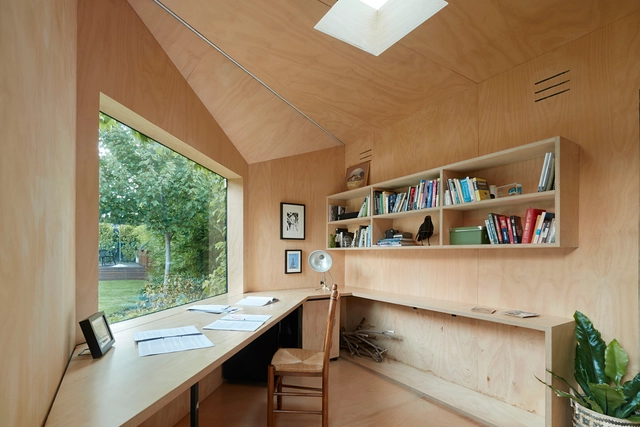
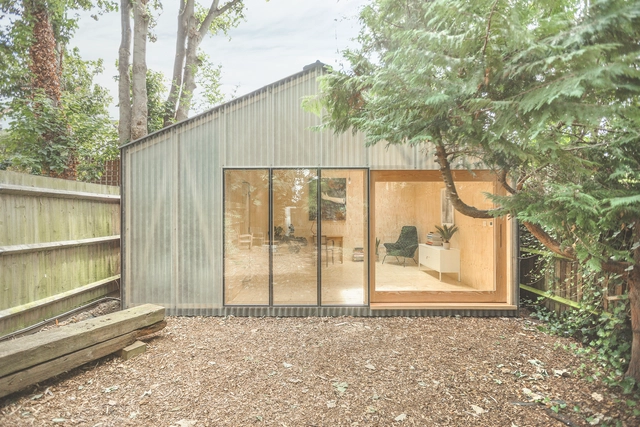
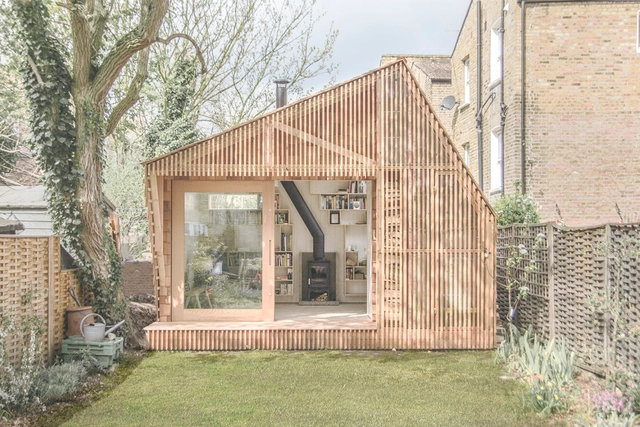
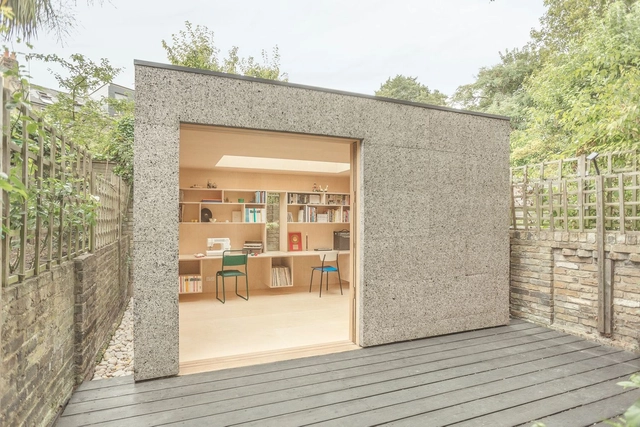
Working from home comes with a flexible schedule, not to mention savings on travel costs, and you can be closer to family. But distractions can make working from home inefficient. It becomes critical to separate the spaces used for living from the ones used for working. Building an addition is, in most cases, the perfect solution.
https://www.archdaily.com/947157/tiny-offices-extensions-to-separate-the-home-from-the-work-spacesClara Ott
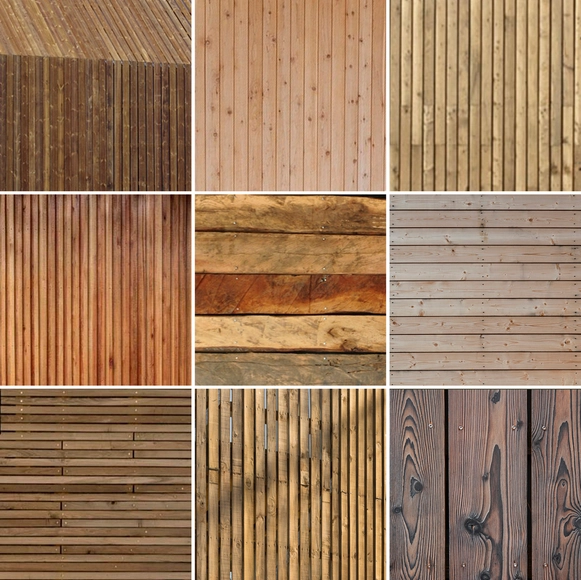
Over the course of history the unique characteristics of wood, which are dependent upon the species of the tree and the location in which it has grown, have enabled humanity to flourish in all parts of the globe. The architectural details of wooden construction therefore show a great diversity of meetings and joints, showing not only a project's constructive and structural logic, but also embodying the value and complexity of each project.
Take a look at these 50 construction details of projects that stand out for their clever use of wood.
Sustainability. A word that, for many of us, has been driven into our minds from the very start of our careers as architects. We have a responsibility to the planet and future generations to design buildings that are socially conscious—from solar panels to triple-glazed windows, we have tried it all.
Ultimately, whether our designs are sustainable comes down to the early decisions we make for the building, with our choice of materials having a huge effect on the overall carbon footprint. With new technologies come new ways of incorporating abundantly found materials into the skin of the building that could reduce the building's embodied energy and enhance the structure's properties.
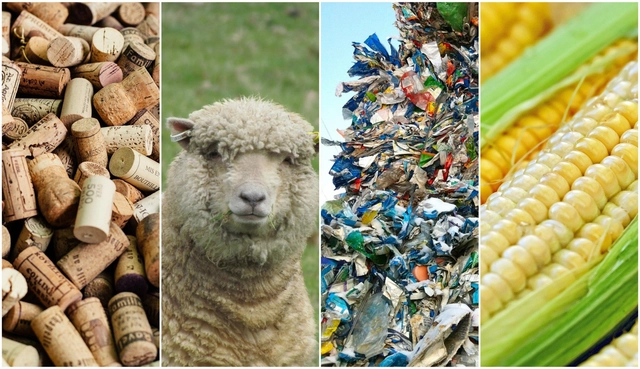
In this article, we have compiled a list of 8 familiar materials that you wouldn't initially associate with sustainability but which you might consider for your next design.
Unbeknown to many, cork is something of a dark horse when it comes to the environment—a model of a sustainable industry and building material. By its very nature, cork is both recyclable and renewable, as it is the only tree that regenerates its bark, while harvesting that bark causes the tree no harm.
Cork has been sneaking its way into our buildings for many years now; due to its hard-wearing properties it can be found, for example, in the checkerboard flooring of the Library of Congress. Even NASA has been wise to cork's light weight and insulation capacity, using it as an insulator for their space shuttles.