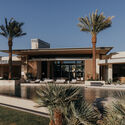
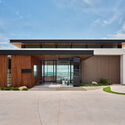
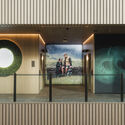
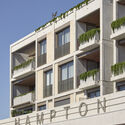
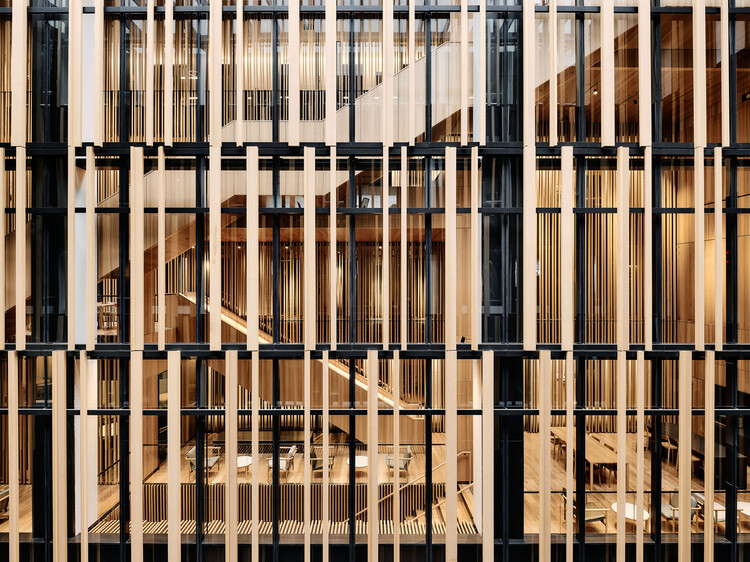
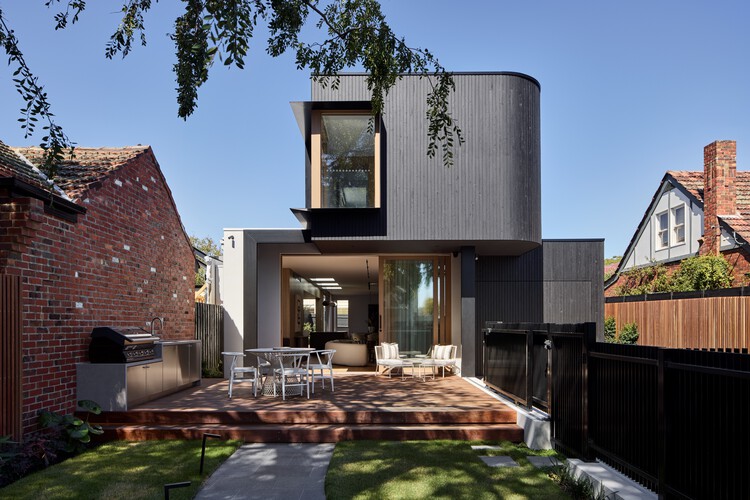
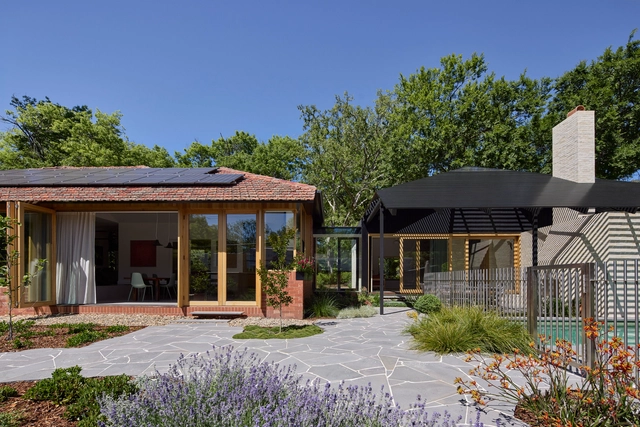
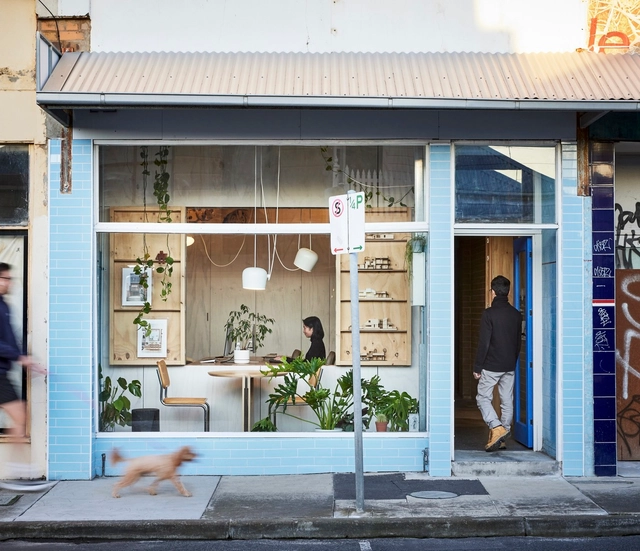
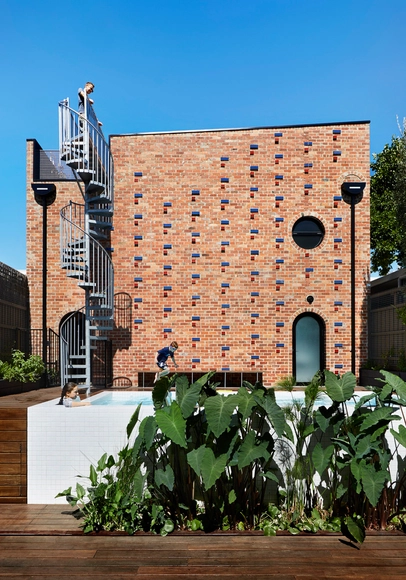
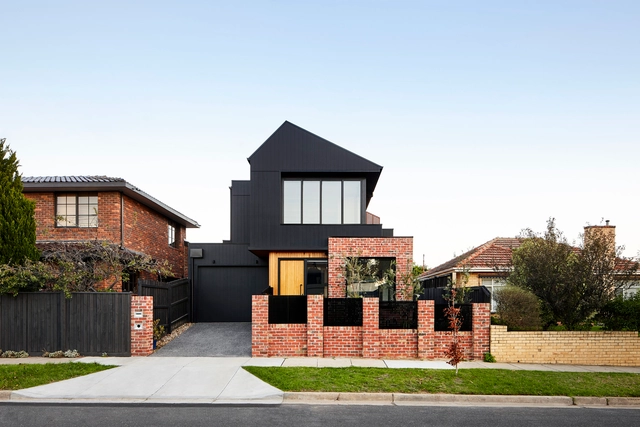
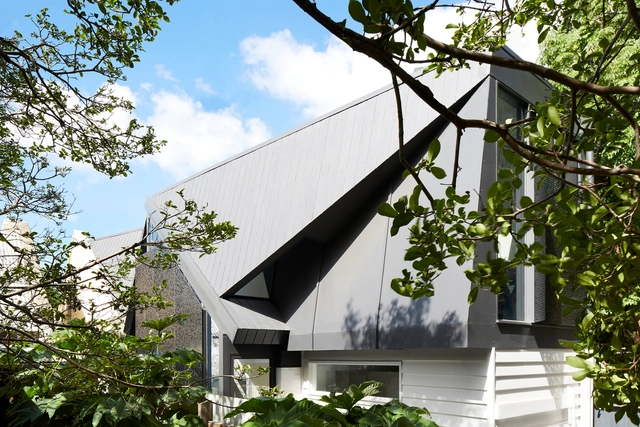
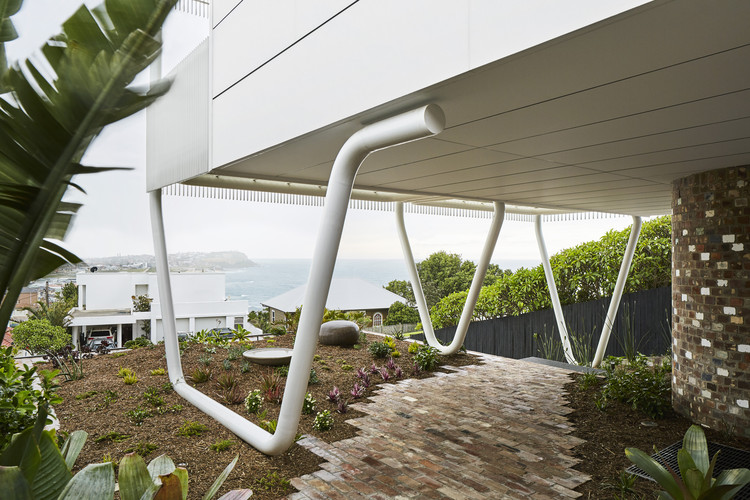
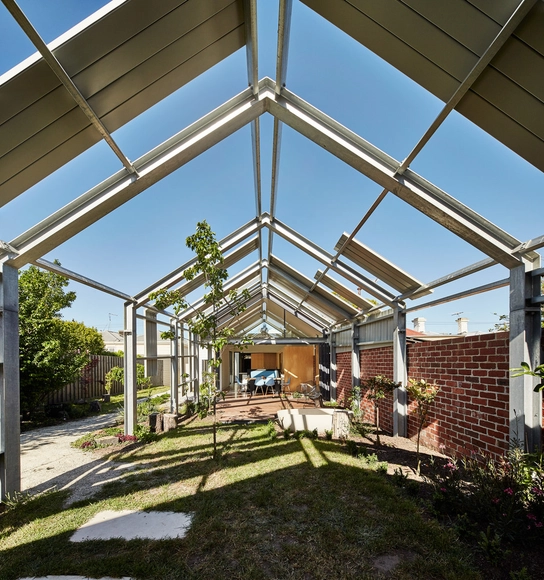
For the third year in a row, Melbourne has been selected as one of the top five most liveable cities in the world. The city is widely viewed as the leading architectural hub in Australia for its unique street culture and diverse design expression, with its layers and bold mix of architectural styles. From the very well-restored Victorian era edifices with their intricate ornamentation and detailing to the adjoining Contemporary landmarks, the city seems to achieve a nice balance of all typologies and design movements, while still being very inviting and engaging to its citizens.
Not every architectural project can incorporate a landscaping project, consider a garden or access to ample green space. Smaller spaces need more creative strategies to incorporate vegetation. Regardless of the context, plants offer benefits in all types of spaces, such as indoor temperature regulation, an option for sustainable production on a smaller scale than a greenhouse, in addition to their aesthetic qualities. In this article, we present 4 simple strategies and a selection of examples for incorporating plants in small-scale spaces, all of which can be found in Architonic's Planting section.
Interior design within architecture has become extremely relevant as architects and designers are responsible for creating pleasant spaces for people. Have you ever wondered why there are spaces in which we could stay for hours and others that generate instant rejection? These sensations are achieved through the correct management of various parameters that guarantee comfort in interior spaces.
Comfort in interior design, explained in a simple way, is provided in spaces that produce well-being. This, undoubtedly, can be a somewhat subjective and personal concept for each individual, but there are several parameters and building regulations to follow in design projects.