Samuel Hartnett

BROWSE ALL FROM THIS PHOTOGRAPHER HERE
↓
Subscriber Access

Framing Natural Light: Five Daylighting Strategies in Cabin Architecture

Audio available

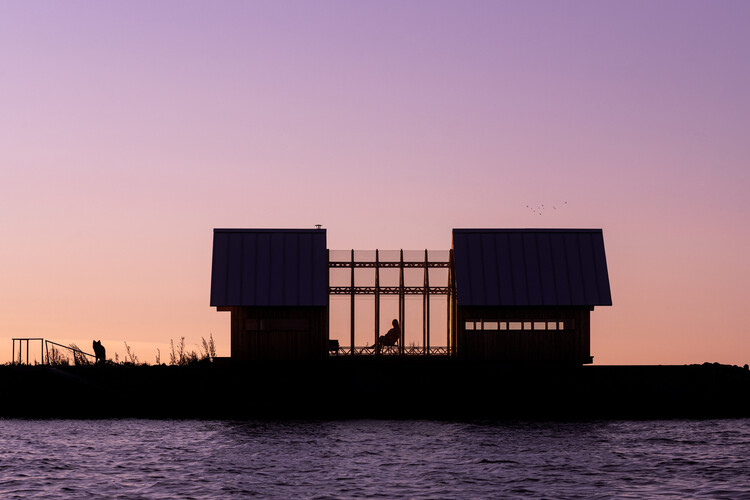
Cabins offer architects opportunities to experiment playfully with architectural form, materials, landscaping, and spatial configurations. Their compact footprints, relatively simple programs, and close proximity to the natural surroundings allow for unconventional design approaches and the ability to test experiential, architectural ideas. Often constructed as spaces of rest, cabin architecture encourages architects to prioritize the experience of inhabiting a space, exploring how individual design elements contribute to the character and atmosphere of the interior.

Natural light plays an important role in shaping this experience, particularly in compact spaces where the placement of openings will significantly influence spatial perception. While conventional window openings establish visual connections with the surrounding landscape, skylights introduce daylighting from above and create a unique opportunity to observe seasonal variations and the movement of shadows during the day. Beyond providing natural light for the inhabitants, well-designed skylights create a dynamic relationship with natural light and establish a closer connection to the surrounding environment and day.

Framing Natural Light: Five Daylighting Strategies in Cabin Architecture - More Images+ 71

Subscriber Access

Building with the Landscape: Non-Invasive Design Strategies for Steep Terrain

Audio available

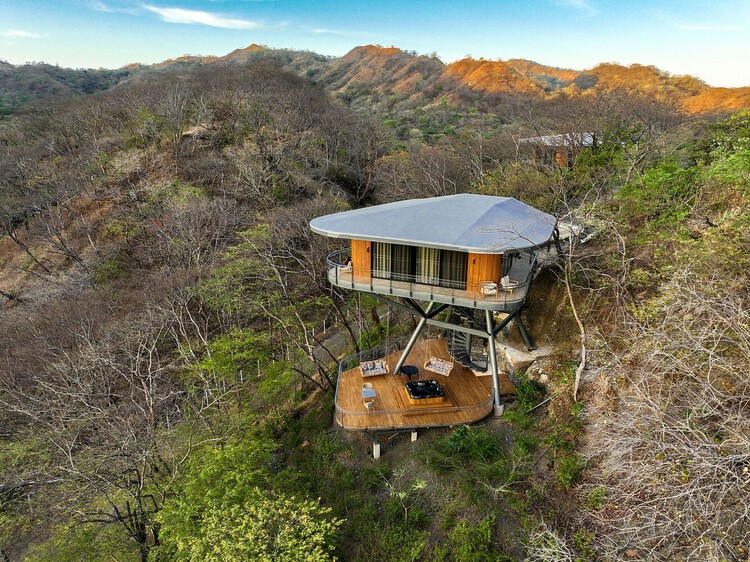
The relationship between constraint and design excellence is well established in architectural theory, yet often remains underexplored in discussions of site-specific practices. When architects encounter extreme topography, they face a fundamental choice: transform the landscape to accommodate the building, or modify the building to fit the landscape. The first approach is straightforward and requires the builder to cut, fill, terrace, and build on level ground. This choice, however, carries cascading consequences as any amount of earth moved may destabilize slopes, disrupt drainage, and fracture ecosystems. A growing body of innovative architectural work demonstrates an alternative to earth-moving and retaining walls.

Building with the Landscape: Non-Invasive Design Strategies for Steep Terrain - More Images+ 76

Openfield House / Keshaw McArthur

Openfield House / Keshaw McArthur - More Images+ 53

Subscriber Access

Discovering Remote Retreats: 20 Projects Showcasing the Appeal of Nature-Set Accommodations

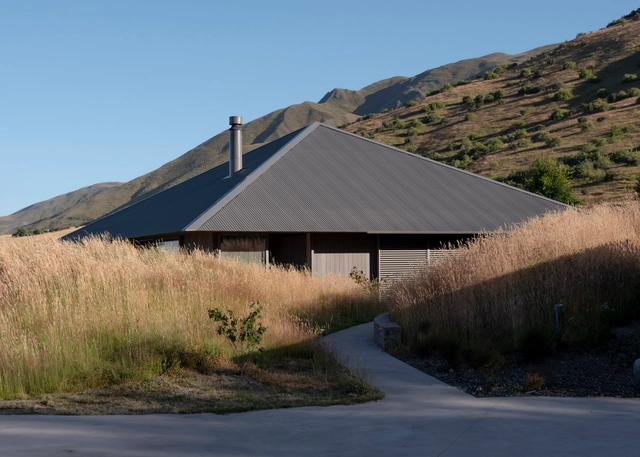
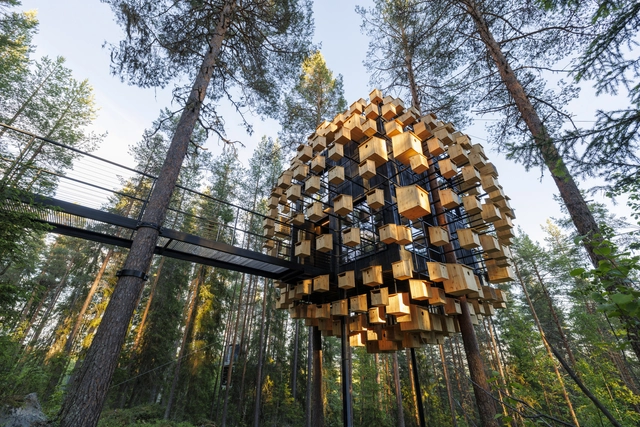
Today's population lives in large, vibrant, and sometimes chaotic cities. That’s why the most popular options involve escaping to natural settings such as remote forests, tropical jungles, or pristine beaches when choosing places to take a break from daily responsibilities and routines. For those seeking to disconnect completely from city life while staying closely connected to nature, small-scale hotels, cabins, and lodges are excellent options. Whether it’s a private vacation home or a cabin hotel, these accommodations are designed to make their natural surroundings their most important asset, allowing the buildings to blend seamlessly into the landscape.

Discovering Remote Retreats: 20 Projects Showcasing the Appeal of Nature-Set Accommodations - More Images+ 16

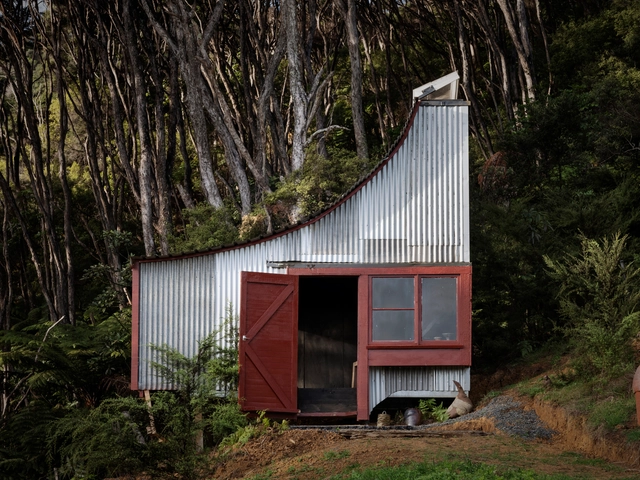
Picalo Cabin / Gerard Dombroski Workshop

Picalo Cabin / Gerard Dombroski Workshop - More Images+ 11

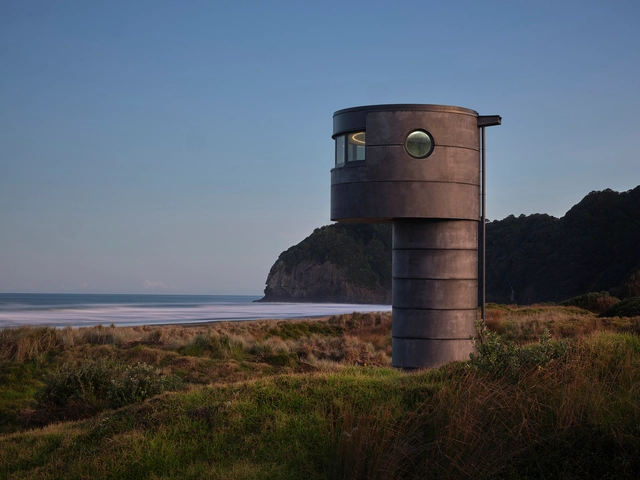
Te Pae North Piha Surf Lifesaving Tower / Crosson Architects

Te Pae North Piha Surf Lifesaving Tower / Crosson Architects - More Images+ 22

The Versatility of HPL Panels for Interior Spaces

 | Sponsored Content
The Versatility of HPL Panels for Interior Spaces - Featured Image
Roof extension of Sylvana Hospital / 2b architectes. Image © Matthieu Gafsou

HPL (High Pressure Laminate) panels are made of Kraft paper impregnated with phenolic resins, subjected to heat and pressure. A decorative layer with synthetic polymer allows the sheets to have numerous color and texture options, providing an extremely high strength and durability. This is why HPL is widely used in façades, but it is also increasingly being considered for interior wall cladding, for partitions and lockers, as well as for furniture. It is a material that can be used outdoors and indoors, and even on horizontal surfaces.

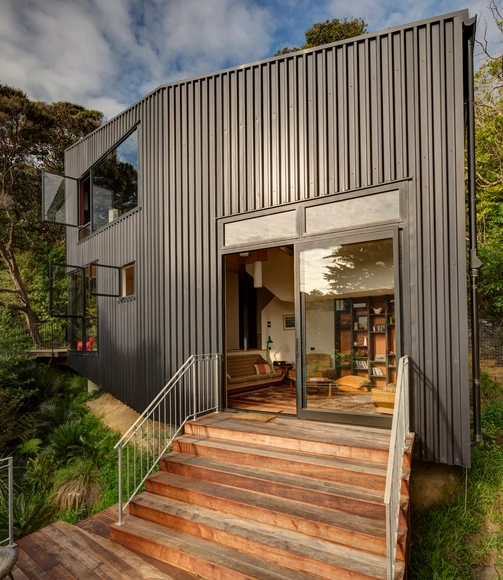
Blackpool House / Glamuzina Paterson Architects

Blackpool House / Glamuzina Paterson Architects - More Images+ 16

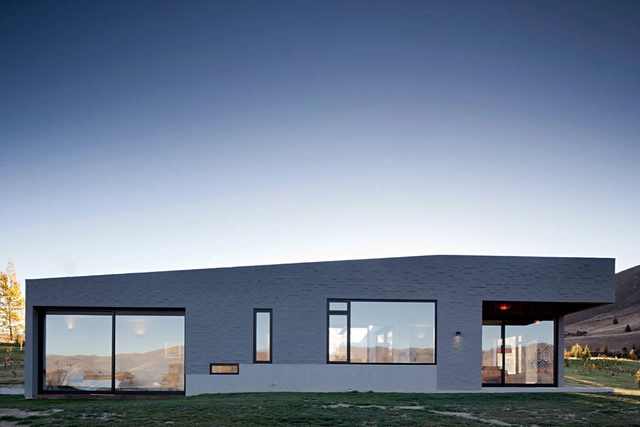
Lake Hawea Courtyard House / Glamuzina Paterson Architects

Lake Hawea Courtyard House / Glamuzina Paterson Architects - More Images+ 14