-
Architects: Office Canopy of Architecture
- Area: 4416 m²
- Year: 2024
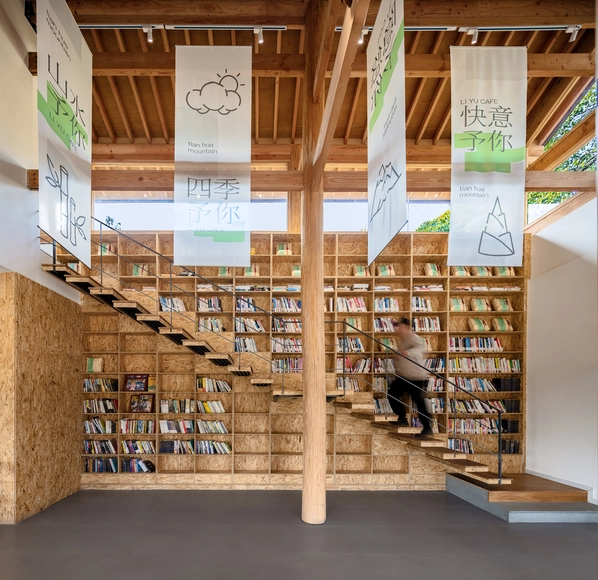
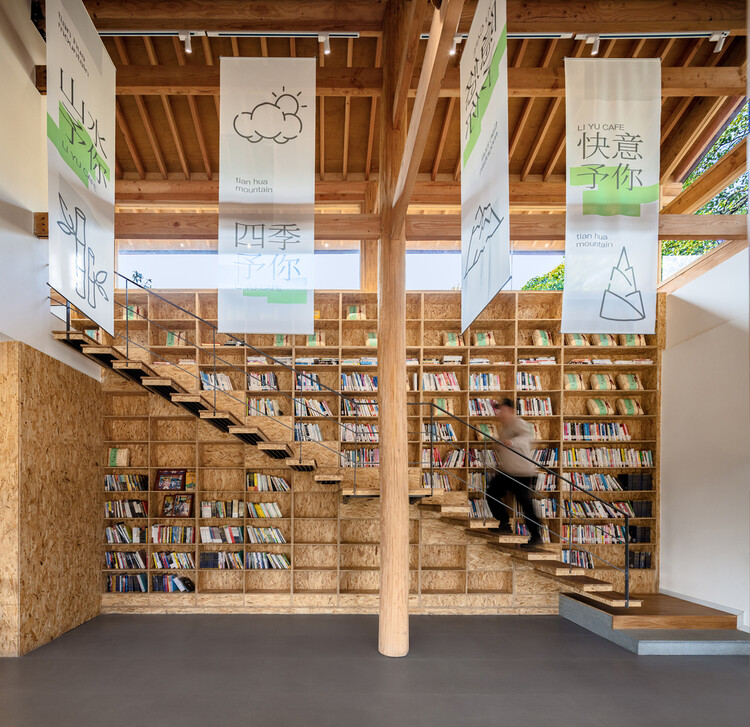
The contemporary bookstore is a paradoxical space. It is commercial, but rarely commercialized; public, but often privately owned; small in scale, but expansive in impact. As adjacent architectural typologies evolve under the pressures of digital consumption, economic precarity, and changing social habits, the bookstore has not dimensioned, but adapted to the twenty first century. It is not a site for private or institutional literary exchange, but a spatial hybrid that accommodates ritual, rest, performance, and socialization.
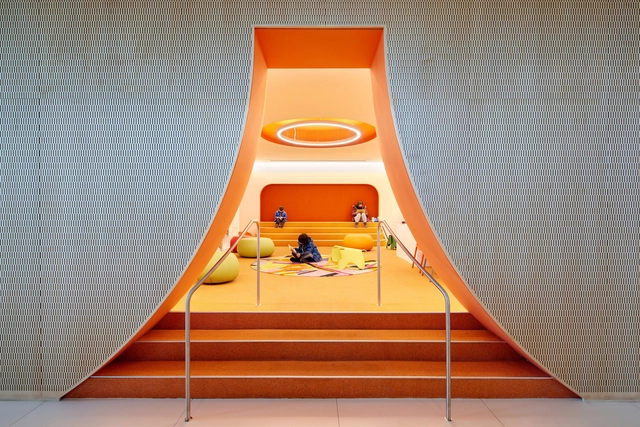
What is the vision for a 21st-century library? How can architecture professionals foster the interest of new and future generations in reading? Globally, the rapid growth of communication technologies, along with the increase in available information and the constant need to update knowledge, brings with it new educational approaches, cultural practices, and community activities that involve the creation of more dynamic spaces capable of adapting to different functions simultaneously. The connection with play, the integration of other uses, or even the incorporation of new technologies typically play a central role in the interiors of contemporary libraries designed for a young audience.