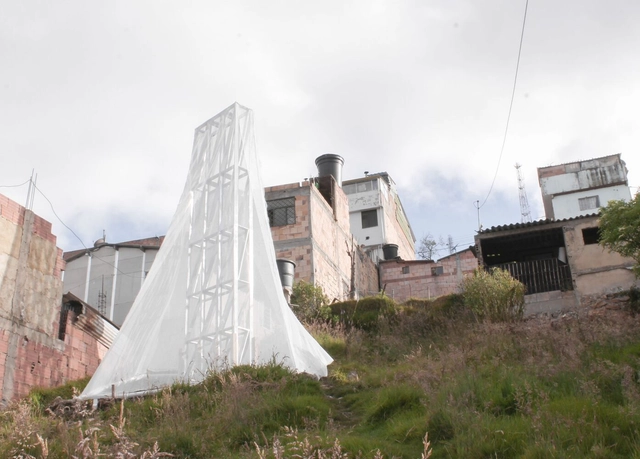
Year after year, organizations, government authorities, and other global entities face the challenge of implementing regulations and measures to address rising water scarcity: as of 2017, according to the World Health Organization, roughly 3 out of 10 people lacked access to safe drinking water at home, while 6 out of 10 lacked access to safely managed sanitation.
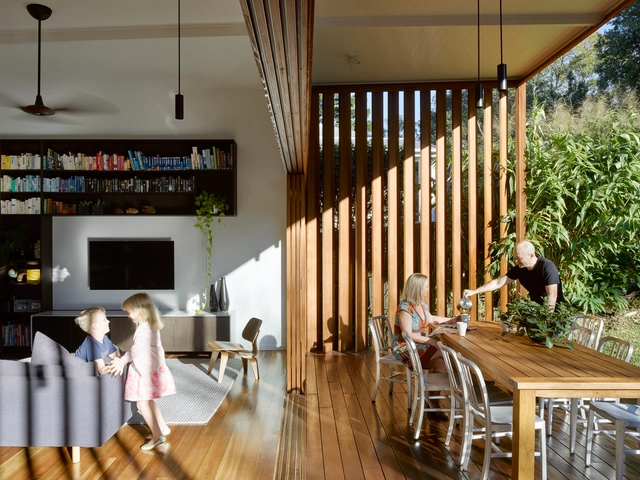
In dystopian films, it is a common trope to depict the sky as filled with a thick fog, blocking the sun's rays and bringing a dark atmosphere to the scenes. Whether in Blade Runner or in a Black Mirror episode, the lack of sun commonly represents a future we would rather not live in. The sun provides heat to planet Earth and is a great source of light energy, essential for the survival of many living creatures. We can generate electricity from the sun and still use only a fraction of the energy it provides. Sunlight also regulates our circadian cycle, which affects our mood. But recent forest fires and industrial pollution in some large cities have already made the dystopian blockage of sun a relatively common phenomenon, depriving hours of sunshine from many inhabitants. Concurrently, with the COVID-19 pandemic, we are living a plot that few science fiction writers could have predicted, and new technologies and solutions have emerged to try to contain the spread of this invisible enemy. Can the sun, or specifically ultraviolet radiation, kill viruses and bacteria? Could it kill the coronavirus?
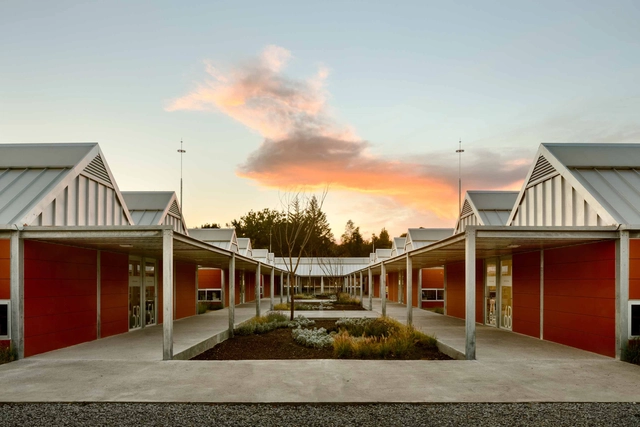
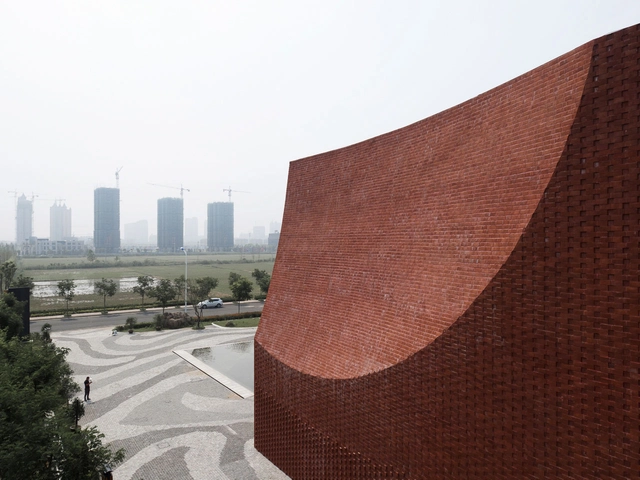
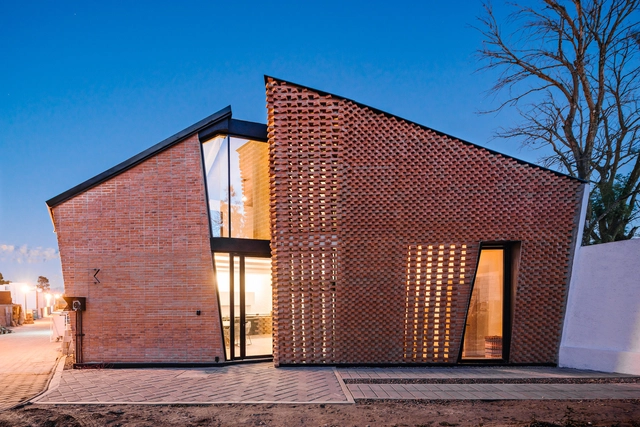
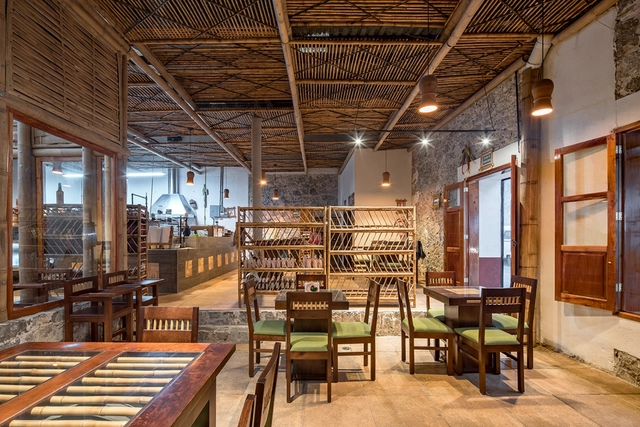
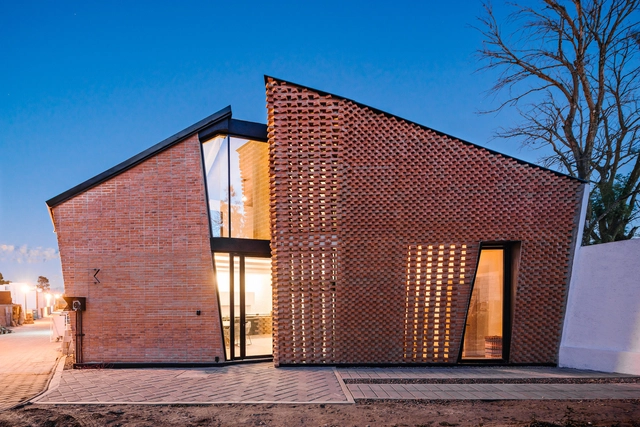
Brick is one of the most popular materials for architects designing with a vintage or rustic aesthetic: exposed brick walls are often touted as highly desirable for apartments, restaurants, and stores, and exterior brick facades can make a building or home feel warmer and more inviting. However, the color and cut of the brick can greatly influence the atmosphere it emanates, with white brick lending itself to more minimalist design and tan brick tending to feel more rustic and earthy. In this article, we will explore some of the most popular brick colors, ways to artificially color brick, and recent projects that use brick facades or interior brick elements effectively.
https://www.archdaily.com/944493/the-colors-of-brickLilly Cao
Recently, a new trend in architecture has emerged: Several of the latest projects highlighted by ArchDaily, including some winners in the Building of the Year Awards, are using permeable facades as an attractive option for their exterior finishes.
This week we present a selection of the best images of brick houses published on our site. These 11 Mexican projects reveal the diversity of expression that architects in the country have achieved through creative arrangements of the brick modules. read on for a selection of images from prominent photographers such as Carlos Berdejo Mandujano, Onnis Luque, and Patrick Lopez.