One of the biggest current challenges in large cities is the housing crisis and the lack of efficient solutions to mitigate its effects on citizens. This problem is exacerbated in cities where tourism and vacation or temporary housing dominate the market, distancing residents from the possibility of accessing affordable urban housing. Furthermore, gentrification, driven by rising rents and real estate speculation, contributes to the displacement of local communities, transforming traditional neighborhoods into areas exclusively oriented toward tourist consumption.
Anne Lacaton, renowned for her groundbreaking work with partner Jean-Philippe Vassal, has been working to push the boundaries of sustainable and socially responsible housing architecture for decades. The Pritzker Prize laureates are celebrated for their innovative approach to social housing and are committed to enhancing the quality of life for residents. Their philosophy centers around creating generous, adaptable spaces that rethink how we live together. Onsite in San Sebastián, ArchDaily had the chance to interview the Pritzker-Prize winner to delve into her architectural practice and philosophy. In the conversation, the architect explored core values, the significance of reuse in social housing, and the promising trends in collective housing design that emerged from the first edition of the awards.
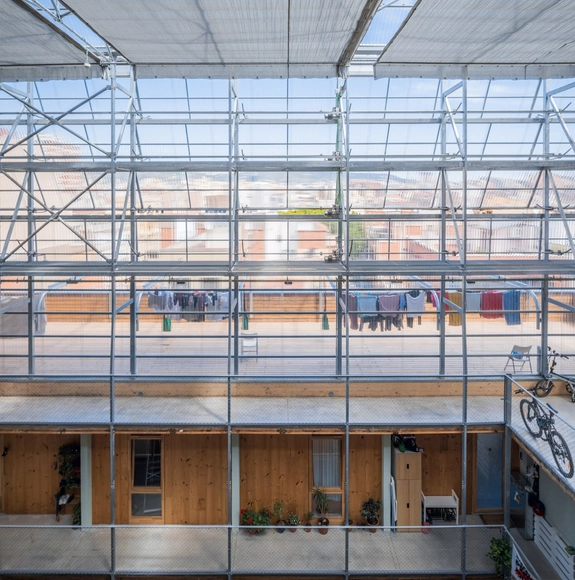
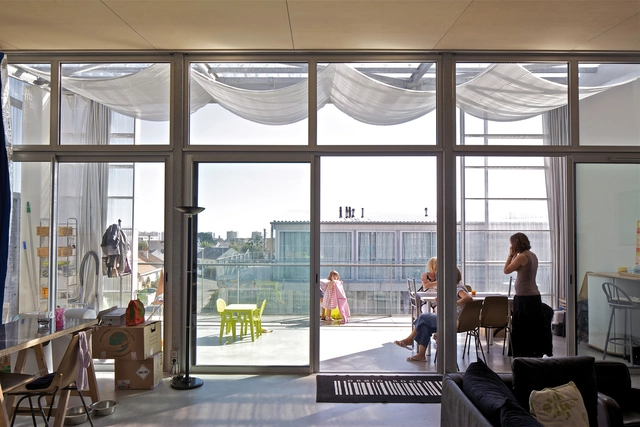
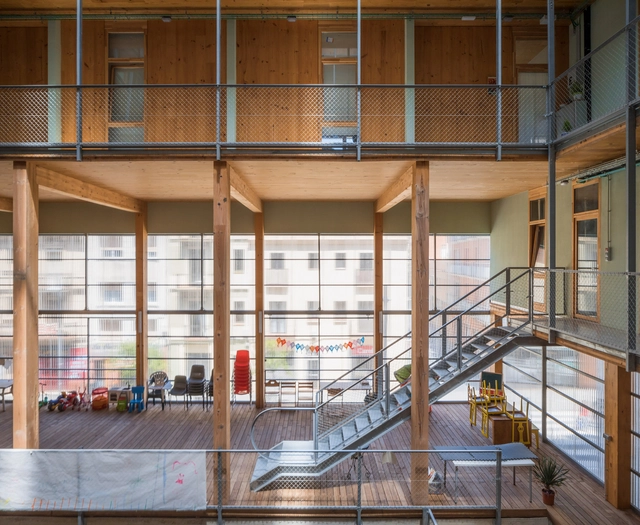
Cooperative housing, or co-housing, is a residential model that promotes access to housing in cities. This model first developed in countries like Denmark and Uruguay, and it is becoming increasingly popular throughout Europe. Indeed, it arrived in Barcelona several years ago and has since steadily expanded throughout the region, spreading beyond the boundaries of the Catalan capital. Below, we explore the cooperative housing model in Barcelona and how it contributes to a more democratic architecture for its citizens.




.jpg?1564610237)
.jpg?1564610308&format=webp&width=230&height=230&crop=true)
.jpg?1564610436&format=webp&width=230&height=230&crop=true)
.jpg?1564610363&format=webp&width=230&height=230&crop=true)
.jpg?1564610168&format=webp&width=230&height=230&crop=true)
_-.jpg?1564609755)