How do we create buildings that use energy efficiently? Traditionally, efforts to green the built environment have centered on the physical infrastructure, often overlooking the relationships between people and space. The emergence of the technological era has ushered in "Smart Buildings." that employ machine learning and automation. These innovative structures are designed to operate with impressive energy efficiency, however, they are largely disconnected from their occupants. What if buildings could be made smarter and more sustainable by engaging with their occupants?
Providing an overview of the profession and discipline of architecture can be a complex task given the diversity of people's backgrounds, personal interests, and experimentation techniques. Therefore, many processes related to architecture are based on speculation and innovation, taking the initiative to reimagine established limits. Architecture schools, such as École des Beaux-Arts, Vkhutemas, and Paulista School, were progressive schools of their time that developed their style led by experimental and curious minds. Thanks to these experimental processes, each developed its architectural style, characterized by factors such as philosophy, location, and the era in which the school was born.
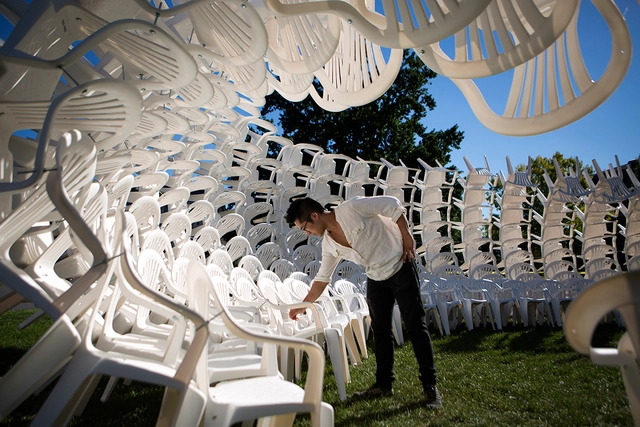
Since its creation in Santa Monica in 1972, the Southern California Institute of Architecture (SCI-Arc) has been a world-renowned center of innovation and one of the few independent schools of architecture in the United States. It excels in challenging its students through various programs to stretch their imaginations by experimenting with non-traditional materials and approaches. Through the renowned Making+Meaning program, SCI-Arc provides an immersive introduction to students and creative professionals from diverse disciplines, who have the opportunity to explore the field of design and emphasize the fundamentals of experimentation and architecture. The return to face-to-face teaching this year infuses new energy into the program for both students and instructors, given the value of collaborating in a physical space for the development of studio-based projects.
https://www.archdaily.com/999398/immersive-learning-from-novice-to-designer-at-sci-arcs-architecture-programEnrique Tovar
As seen throughout architectural history, ephemeral installations and pavilions are key elements for addressing specific architectural moments and social manifestations in an almost immediate way. While some pavilions have proven so significant that they transcended their temporary nature to become permanent, exemplary expressions of a historical moment—such as the Barcelona Pavilion, designed by Ludwig Mies van der Rohe and Lilly Reich for the Barcelona International Exposition in Montjuïc—others remain documented in photographs, plans, and experiences, to be rewritten in future projects.




.jpg?1595384588&format=webp&width=230&height=230&crop=true)