Josh Hill

BROWSE ALL FROM THIS PHOTOGRAPHER HERE
↓
Subscriber Access

Round Pillars in Architecture: From the Classical Column to the Modern Sculptural Support

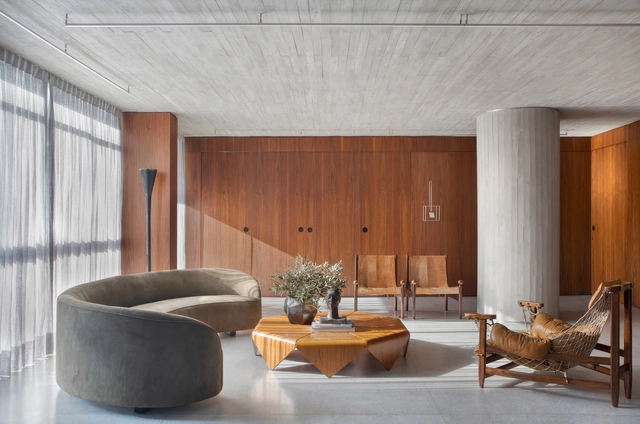
The pillar has adorned many of the greatest monumental examples of Western architecture since antiquity, from the Doric columns of the Parthenon to the Corinthian capitals of the Pantheon portico. In the West, the legacies of these classical forms have permutated over the centuries and into modern times: the Doric columns of the Lincoln Memorial, the Ionic columns of the British museum portico, and the Villa Savoye’s pilotis are just a few examples of the classical column’s continued transformation and use over the last few centuries. Today, the round pillar continues to be used in modern design, both functionally and aesthetically. Below, we look into these elements in more detail, including their materials, construction, structural qualities, and several contemporary examples of their use.
Subscriber Access

Light as a Design Statement: Inspiring Ways to Manage Natural Lighting

For most people, modern living requires spending most of the day in interior spaces - in fact, according to a report by the Environmental Protection Agency, the average person spends around 90% of their life indoors. As a result, this implies missing out on health benefits associated with sunlight exposure, such as vitamin D absorption, regulation of circadian rhythms, higher energy levels and even improved mood. Thus, one option is to increase the amount of time we spend outdoors. But because most daily functions are carried out inside buildings, it is crucial to incorporate and prioritize natural lighting in interiors.

Subscriber Access

Functional And Symbolic: Circular Skylights in Homes and Public Buildings

Functional And Symbolic: Circular Skylights in Homes and Public Buildings - Image 7 of 4
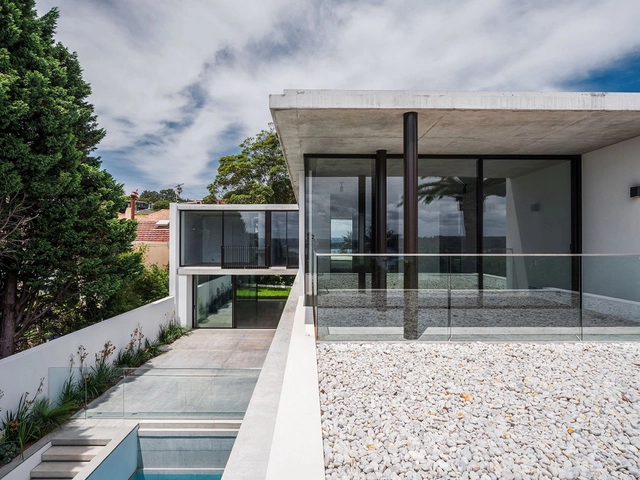
Villa Eze / Sofair Design. Image © Josh Hill

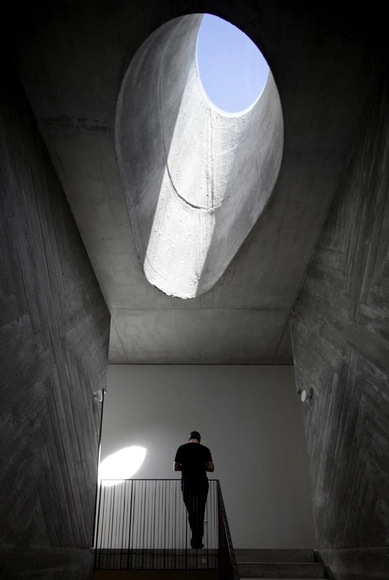
During the first half of the 2nd century AD, one of the most important buildings in the history of Western architecture was erected in Rome: the Pantheon. Its main and most impressive feature is its coffered concrete dome, which ends in a perfectly round central opening. This oculus kicked off a series of later projects that noted the value of circular openings, which were replicated as glazed skylights and as compositional elements on facades. This eventually evolved, for example, into the detailed and colorful rose windows of the Gothic basilicas. In all its configurations, the oculus (meaning "eye" in Latin) holds symbolism that goes beyond that of a traditional window: its luminous projection gracefully marks the passage of time, solemnly highlighting an architectural space.

Functional And Symbolic: Circular Skylights in Homes and Public Buildings - More Images+ 20

Subscriber Access

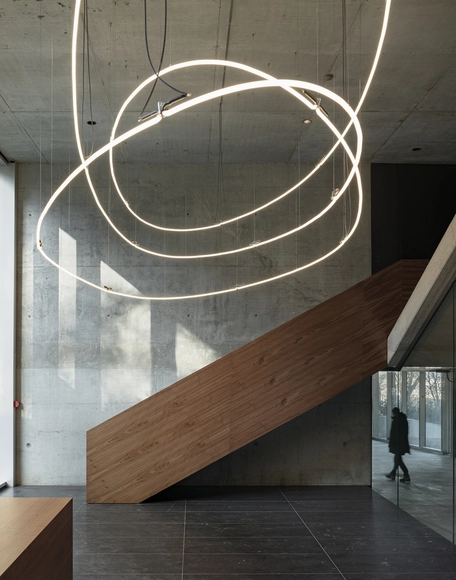
Light as a Design Statement: Creative Ways to Use Artificial Lighting

Light serves an essential purpose in architecture: to help us see. Whether it be through natural or artificial methods, rooms must be illuminated accordingly so occupants can safely inhabit them and fulfill their daily functions. When the right system is selected, light can also contribute to energy efficiency and sustainability within the building as a whole. However, apart from its evident functional and environmental value, lighting design can vastly impact the visual comfort and aesthetic tone of interiors by drawing attention to textures, enhancing colors and defining volumes. Therefore, of the many pieces involved in interior design, lighting is certainly one that can enhance or destroy a space and even affect users’ well-being, which is why it should be considered a crucial design element by itself.

Subscriber Access

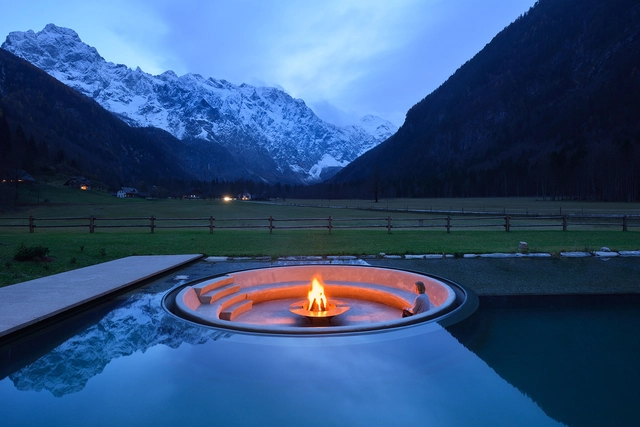
Incorporating Fire in External Projects: Tips and Examples for Fireplaces

Incorporating Fire in External Projects: Tips and Examples for Fireplaces - More Images+ 12

Yuval Noah Harari points out that, around 300 thousand years ago, Homo erectus, Neanderthals, and ancestors of Homo sapiens already used fire daily. According to the author of the international bestseller “Sapiens,” fire created the first significant gap between man and other animals. "By domesticating fire, humans gained control of an obedient and potentially limitless force." Some scholars even believe that there is a direct relationship between the advent of the habit of cooking food (possibly due to the domestication of fire) and the shortening of the intestinal tract and growth of the human brain, which allowed human beings to develop and create everything we now have.

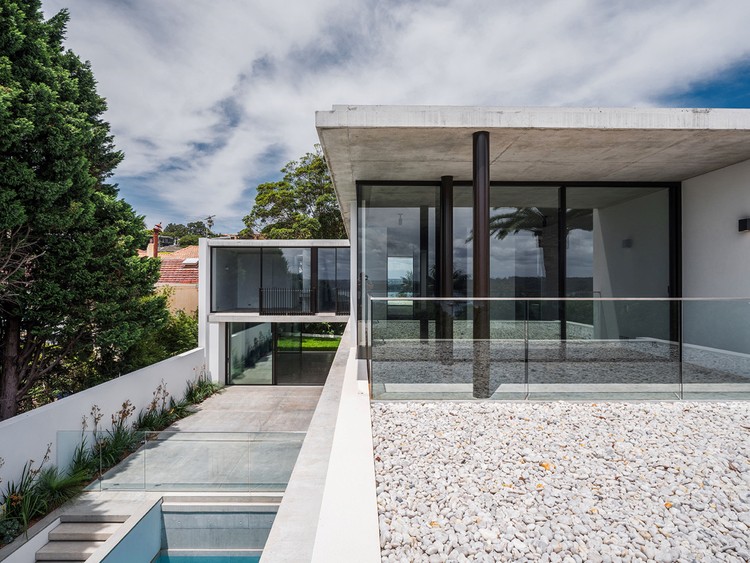
Villa Eze / Sofair Design

Villa Eze / Sofair Design - More Images+ 24

•
Vaucluse, Australia
  • Architects: Sofair Design
  • Year Completion year of this architecture project Year:  2020
  • Manufacturers Brands with products used in this architecture project
    Manufacturers:  Boffi
  • Professionals: James Taylor & Associates