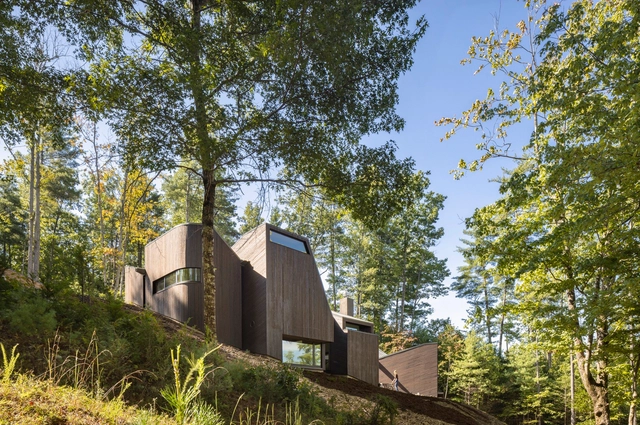
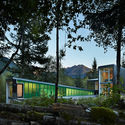
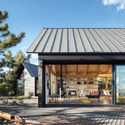
Forests are among the most complex yet vital ecosystems on Earth. They regulate climate, support biodiversity, and sustain human communities. With the growing realities of climate change and environmental degradation, architects, planners, and engineers now face a new imperative: designing within forests in ways that sustain the ecosystems on which they depend.
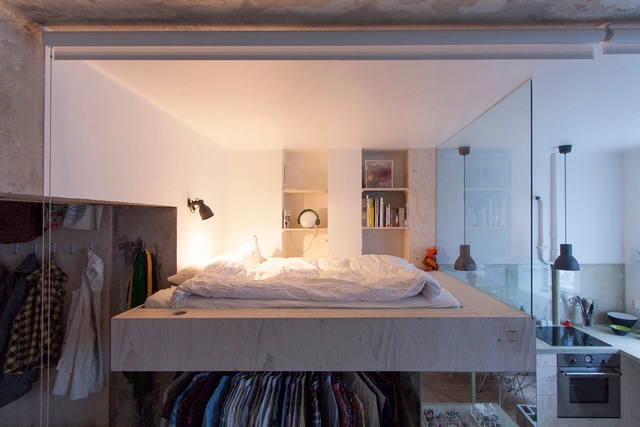
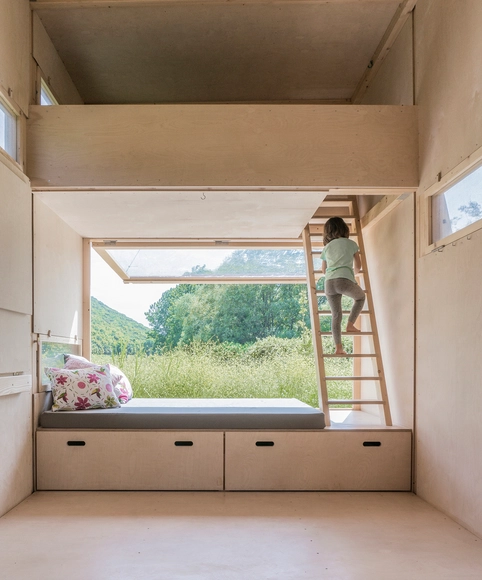
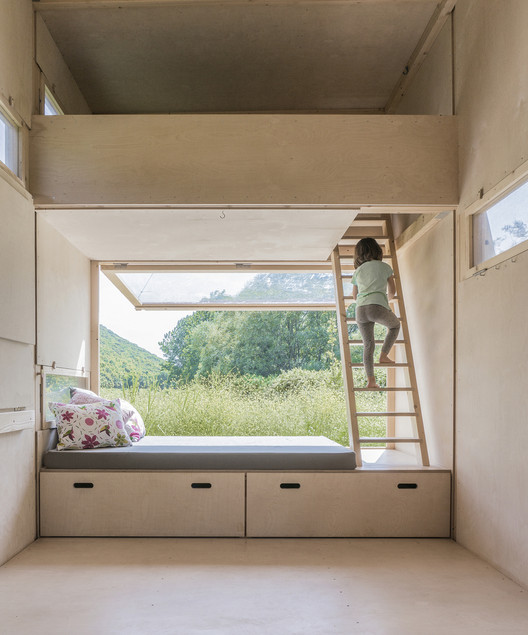
The bed, as an indispensable element, is an essential consideration in these experiments. Its functions can be fulfilled without completely losing the valuable space it occupies, and the bedroom experience can be enriched with careful thought. How can we reinvent and take advantage of the opportunities of the traditional bed?
Cities around the world are facing new questions of urban flight. As the COVID-19 pandemic spread, it exacerbated a range of living conditions and housing crises, from telecommuting and construction to global economies. As Fast Company reports, almost 40% of those living in cities have considered moving out since the pandemic started. With the possibility of the pandemic stretching on for years, more urbanites are considering the move to rural areas and small towns.
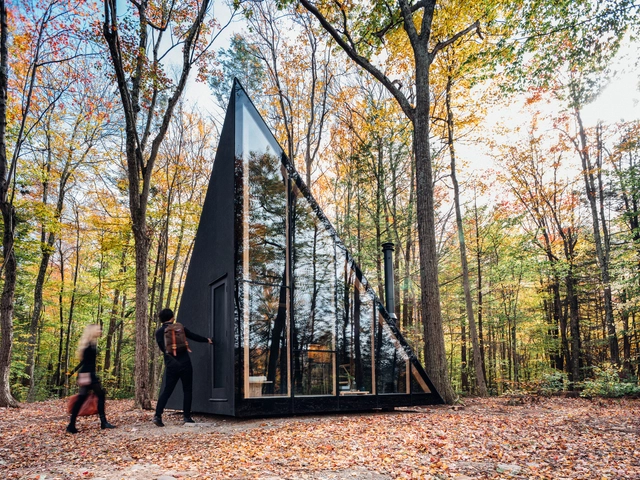
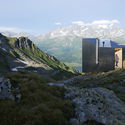
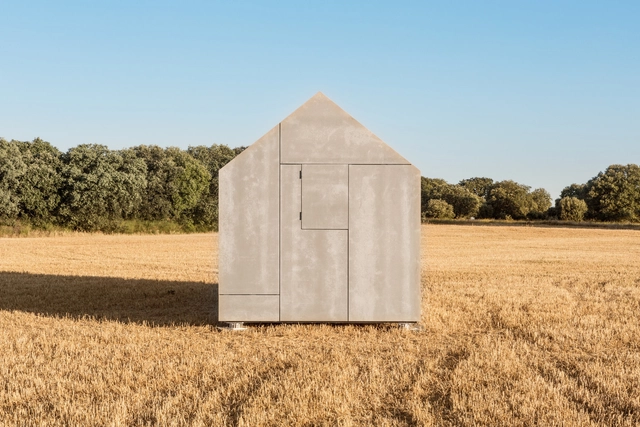
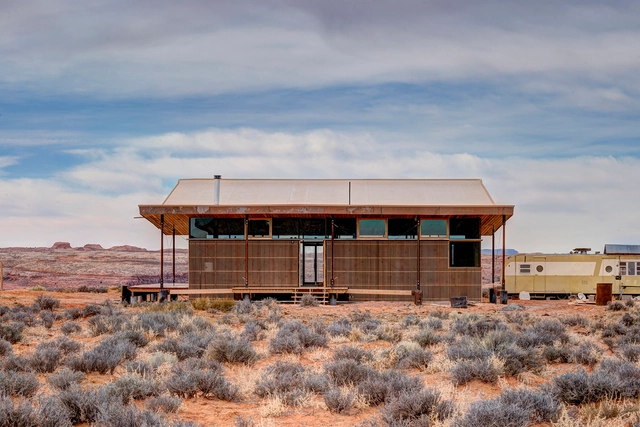
Cabin on the Border / SO? Architecture&Ideas. Image Cortesía de SO?
Dense cities mean small homes. With more and more frequency we are forced to adapt to spaces within which some elements simply do not fit. As architects, these restrictions actually provide us with opportunities and remind us that our goal is to give precise solutions to specific problems. Designing with infinite number square meters and/or an unlimited budget is practically unheard of.
What's the key to accommodating everything? Let's review some effective storage solutions for minimum, tight spaces.
Throughout history, simple structures have constituted one of the most common forms of human expression. Small-scale housing, shelters, and viewpoints have been shaped by myriad materials that effectively created - depending on the techniques used - different forms of response to the same need.
Here is a compilation of 20 small-scale projects that stand out due to their small size and their simple, practical structures.
Being up to date with new technologies, understanding the best solutions for each project, and knowing the products present in the market and those that will be used in the future. We have observed that these themes arouse great interest in the architects, students, and architecture lovers who visit our site every day. In 2019, ArchDaily began to focus more on materials, covering products, construction techniques, and raw materials in general. The year is coming to an end, so we have compiled the most viewed articles on these topics, trying to understand what they imply for the present and where they will take us in the coming years.
Home automation, or Domotics, is a set of technologies applied to a residence to control lighting, climate, entertainment systems, and appliances. Its systems allow for efficient management of energy consumption, security, accessibility, and the general comfort of the building, becoming an important issue to consider when designing, building, and living.
Domotic systems are based on the collection of data by sensors, which are then processed to issue precise orders to the executors, varying the environmental quality of each enclosure according to the needs of the user. The pace of current life and the technological advances we have experienced in recent years have led to new ways of living, motivating the design of homes and more human, multifunctional and flexible buildings. What was once a luxury is now a feasible and effective solution for all types of projects.
In this article, we've compiled a collection of smart homes where domotics have been used.
Tiny houses have become popular in recent years as housing prices continue to soar. Whether as an off-the-grid retreat or a way to live more simply and economically, tiny homes offer a more flexible way to live. They are even being used by charity organizations such as the Tiny Homes Foundation in Australia as a way to tackle the issue of homelessness in cities and the need for social housing. As the popularity and need for tiny homes become ever more prevalent, knowing the necessary skills to design a tiny house for yourself or a client is a useful skill to have.
Below are 6 tips to keep in mind when designing and building a tiny house:
The American Institute of Architects (AIA) has selected 11 recipients of the 2017 Small Project Awards. This is the 14th edition of the program, which was established to recognize "small-project practitioners for the high quality of their work and to promote excellence in small-project design."
This year the winners have been placed into three categories:
Category 1: small project construction, object, work of environmental art or architectural design element up to $150,000 in construction cost
Category 2: small project construction, up to $1,500,000 in construction cost
Category 3: small project construction, object, work of environmental art or architectural design under 5,000 square feet
This year’s winners include a wide variety of program types and sites. Continue after the break for the list and descriptions of the projects.
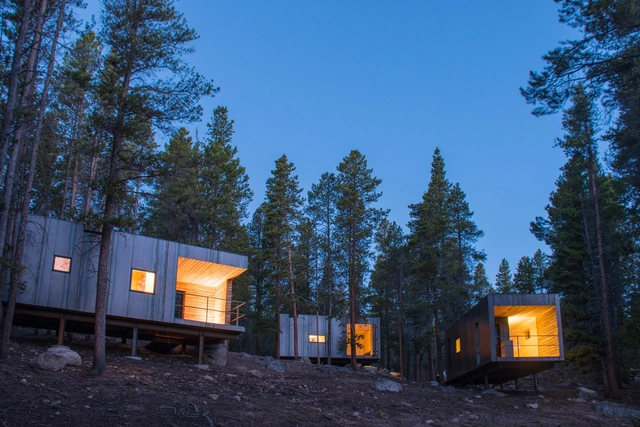
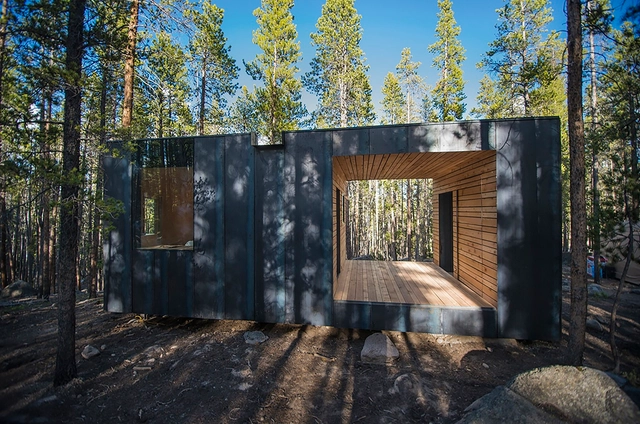
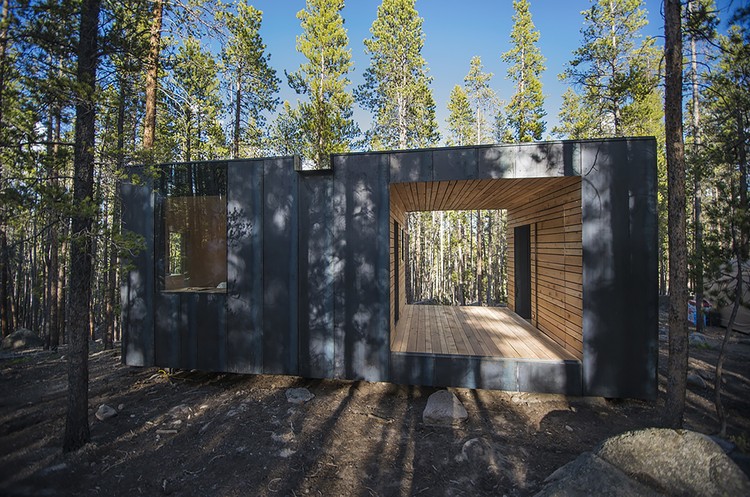
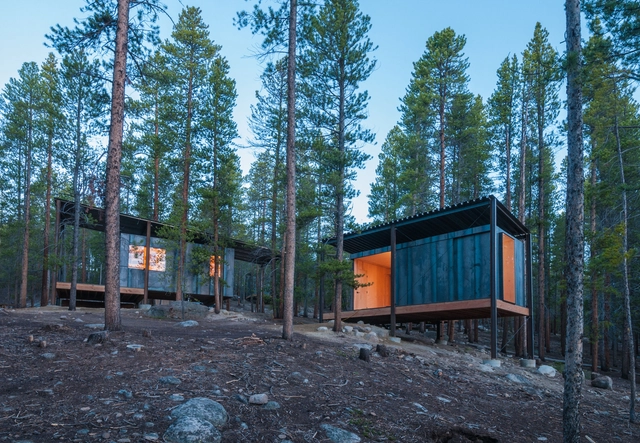
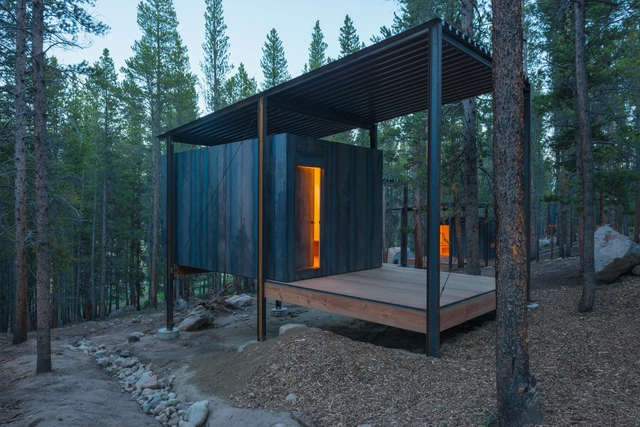
The process of carrying out a project from start to finish includes many different variables, from determining the users' needs to figuring out how best to set up the work site. The latter are an important part of determining the project logistics as well as its design criteria. Colorado Outward Bound Micro Cabins emphasize this process, using a planning logic that takes into account the design of a minimally-sized living unit under extreme conditions as well as the execution of the assembly in a short time and in a place of difficult access.