Jasmin Sohi

BROWSE ALL FROM THIS PHOTOGRAPHER HERE
↓

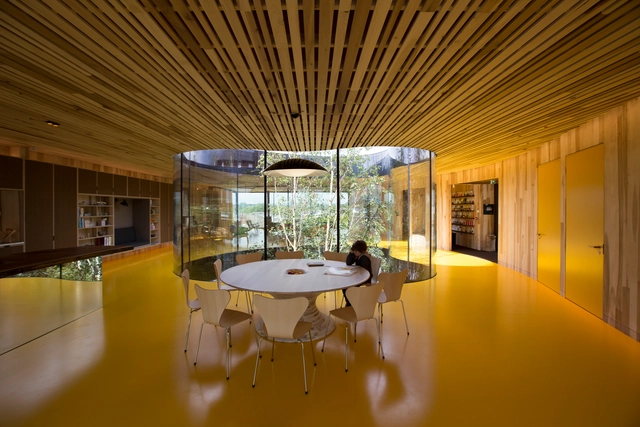
Designing with Empathy: Architecture for Social Equity

Audio available

Architecture has long been understood as a powerful tool for shaping the physical environment and social dynamics within it. However, its potential to foster social equity is often overlooked. Empathy-driven design invites architects to approach their work not only as creators of space but as facilitators of human connection and community well-being. This approach centers on understanding people's lived experiences, struggles, and aspirations — particularly marginalized communities — and responding to their needs through thoughtful, inclusive architecture. It goes beyond aesthetics and functionality, instead focusing on creating spaces fostering dignity, accessibility, and social equity. By prioritizing empathy, architects can design environments that uplift communities, address disparities, and create inclusive spaces that promote positive societal change in a tangible, human-centered way.

Designing with Empathy: Architecture for Social Equity - More Images+ 13

Subscriber Access

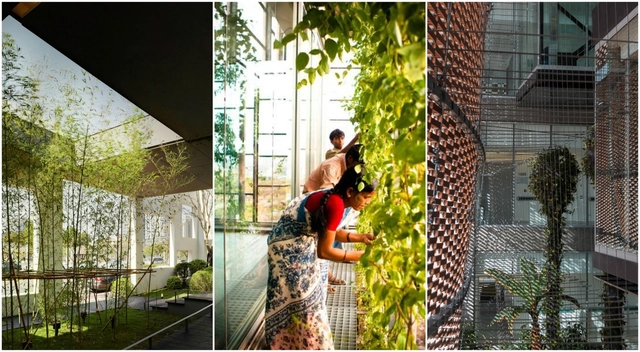
How (and Why) to Let Weather Into Your Buildings: 6 Projects that Bring Nature Inside

Bringing the weather inside is usually the opposite of what you want from a building envelope. However, new research from the University of Oregon, described in an article by The Washington Post, aims to show the physical and psychological benefits of letting nature inside. Signs of nature and change are both beneficial to our well-being, yet we don’t always have access to them when inside buildings—and humans are now spending 90% of our lives inside. But even in an urban setting, where nature may be hard to come by, there’s no escaping the weather. When researchers found ways to bring things like wind and dappled reflections of the sun inside, they found that exposure to these natural movements lowered heart rates, while being less distracting than similar artificially generated movements.

By now, green buildings are a familiar concept, but the article in The Washington Post proposes moving beyond green buildings as we know them today. While green building can be great in new construction, that excludes a lot of existing buildings that could and should also benefit from an intervention of nature. Ideally, buildings should actively demonstrate their relationship with nature, moving beyond simply “doing no harm.”

How (and Why) to Let Weather Into Your Buildings: 6 Projects that Bring Nature Inside - More Images+ 3

Subscriber Access

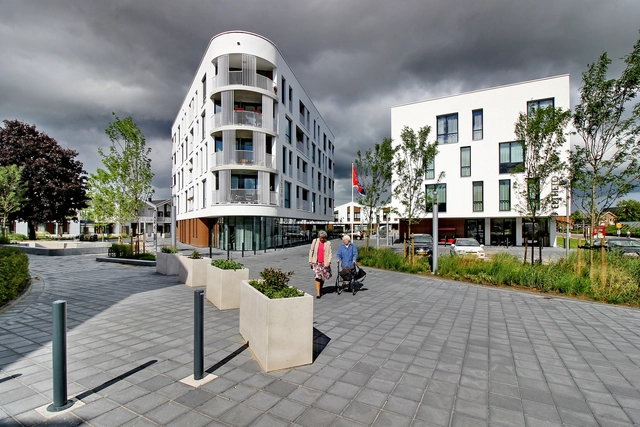
How To Design for Senior Citizens

The population’s aging phenomenon is occurring worldwide. We say phenomenon because all population pyramids are reversing, which means birth rates are steadily decreasing over the years, and at the same time, life expectancy has been increasing. Thus, the elderly population is growing at a faster rate than children.

According to IBGE (Brazilian Institute of Geography and Statistics), in 2017 there were more than 30 million people over the age of 60 in Brazil (14.6% of the population). To understand this growing demographic, let's take a look at other countries' statistics. Mexico's total population is about 28 million, the size of Australia's and New Zealand's combined population. We are talking about a demographic the size of a country. 

How To Design for Senior Citizens - More Images+ 7

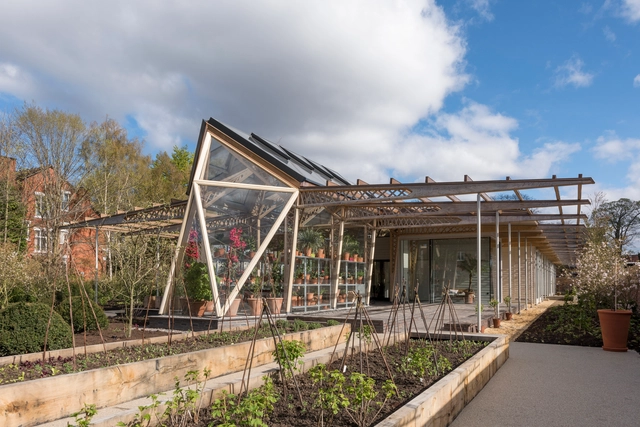
Maggie’s Oldham / dRMM

Maggie’s Oldham / dRMM - More Images+ 34

  • Architects: dRMM
  • Area Area of this architecture project Area:  260 m²
  • Year Completion year of this architecture project Year:  2017
  • Manufacturers Brands with products used in this architecture project
    Manufacturers:  Allgood, Aresi, Coexistence, IPIG, Mowat & Co