

-
Architects: Taller General
- Year: 2022
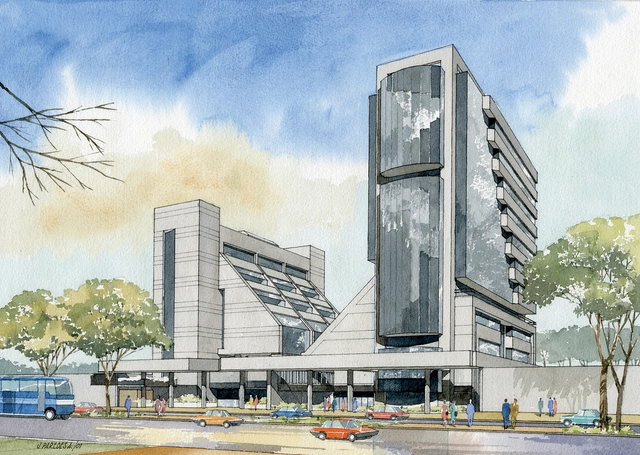
Rafael Vélez Calisto, a leading figure in shaping Quito's contemporary image, closed the latest Latin American Architecture Biennial with his lecture "The Trajectory of a Life," while Seville-based architect Manuel Ramos had already opened the event three days prior with his presentation, "The Last Century of Architecture in Ecuador." In the interim, practices ranging from MCM + A Taller de Arquitectura, Surreal estudio, Arquitectura X, Duran & Hermida, Diez & Muller, Espinoza Carvajal, and Arquitectura Sur to the selected young firms Rama Estudio and Emilio López presented a glimpse of both the historic and recent architecture of the country—the guest country of honor for the BAL 2023 edition.
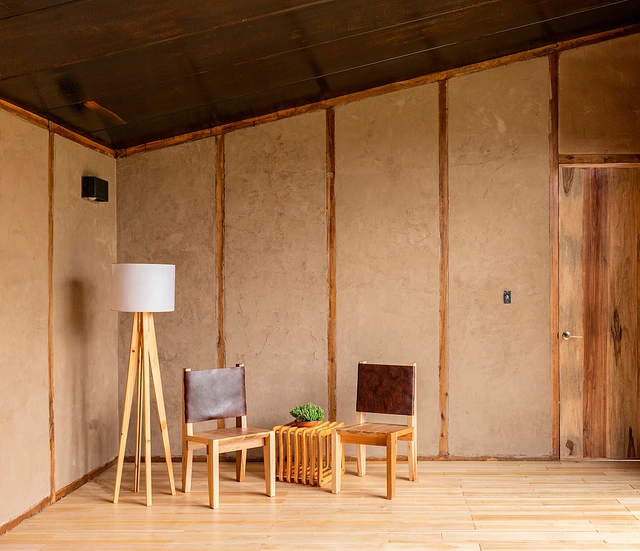
Earth is a material that has been used for building since time immemorial. Its low environmental impact and the variety of techniques available for working with it have enabled its enduring relevance in architectural projects worldwide. Whether using rammed earth, wattle and daub, earthen wall systems, or adobe structures, various contemporary projects rework and reinterpret these traditional methods to shape their spaces.
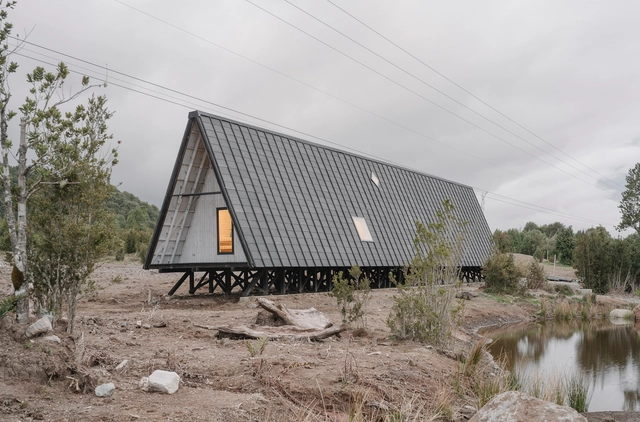
ArchDaily's curatorial team strives every day to present our readers with the most significant, inspiring, and innovative projects, while also ensuring a diverse representation of global architecture.
As part of our 2023 Year in Review retrospective on ArchDaily, we look back and reflect on what was published over the past year. Residential architecture remains one of our most visited categories of built projects, generating immense interest among our users worldwide. With this in mind, we have selected the 50 best houses published this year on ArchDaily en Español, offering a brief showcase of the form and character of residential architecture across the Spanish-speaking world.
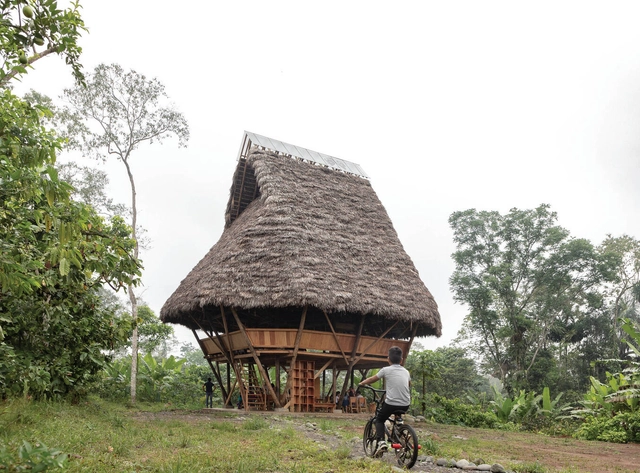
The Fondazione Teatro dell'architettura has announced the architecture firm Al Borde (Ecuador) as the winner of the 2024 BancaStato Swiss Architectural Award. Founded in Quito by Pascual Gangotena, David Barragán, Maríaluisa Borja, and Esteban Benavides, Al Borde conceives a collective approach to design and construction, paying special attention to climate variables, the involvement of local communities, traditional construction techniques, and innovation. As they state, Al Borde “inhabits the territory of questioning, where certainties about what architecture should or should not be are constantly under construction.”
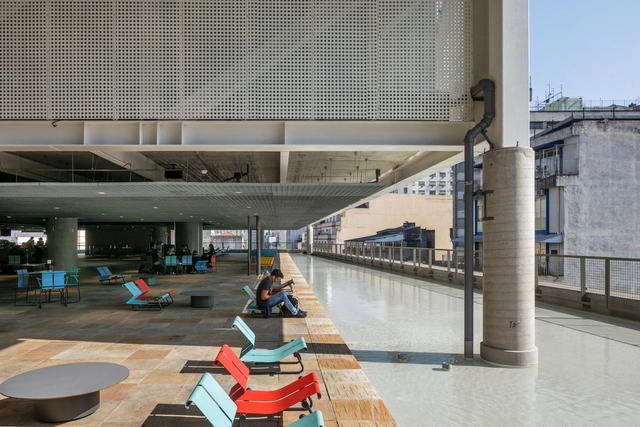
In Asunção, Paraguay, the XI Ibero-American Biennial of Architecture and Urbanism announced today the winners of the Panorama of Works section for this edition of the event, "all faithful to the spirit of the XI BIAU: inhabiting, the inhabitant," according to the organizers.
Out of 997 projects in Latin America, 17 architectural works—predominantly for collective use—built in Argentina, Brazil, Chile, Ecuador, Spain, Mexico, Paraguay, Peru, Portugal, Uruguay, and Venezuela were awarded.
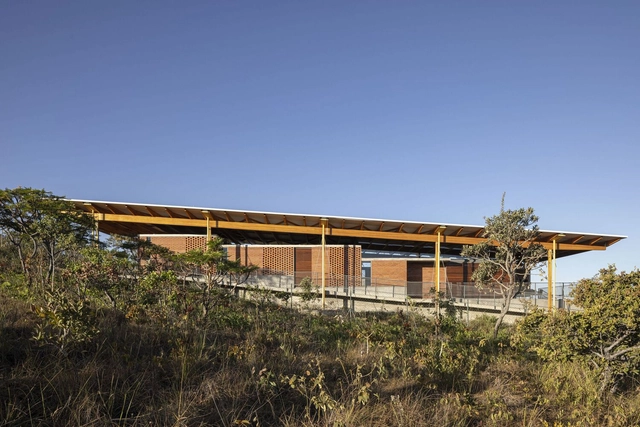
Every year, our curatorial team presents a retrospective of house projects that stood out over the period. This collection, a small selection of the more than two thousand projects published on ArchDaily Brasil this year alone, comprises a series of residences with specific design solutions that address, each in their own way, factors such as materials, construction techniques, structural systems, building processes, and programs.
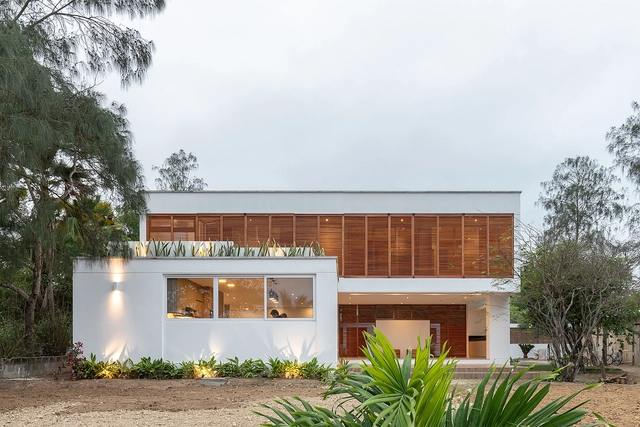

This second year of the pandemic offered a tremendous opportunity to continue reflecting on and debating the most urgent issues in architecture. To this end, we wanted our readers to actively participate by contributing their experiences and knowledge. Throughout the year, we invited them each month to share their comments and insights on a wide range of topics—from the future of cities, automation, and multidisciplinary design, to green infrastructure, adaptive reuse, migration, equity, and well-being.
After reading and compiling all the submissions received—from construction professionals and students to architecture enthusiasts—it is now time to present the key perspectives. Thank you very much for sharing your opinions!
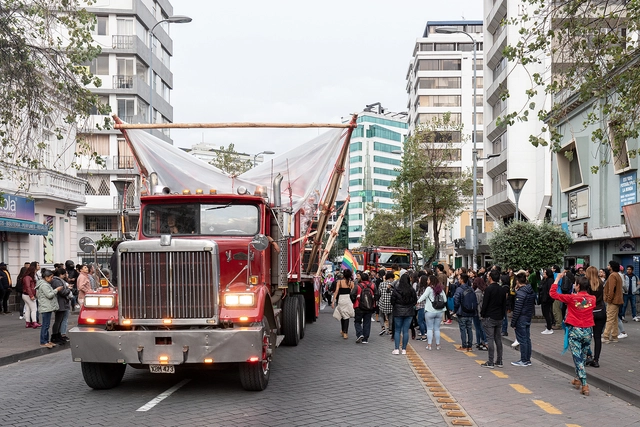
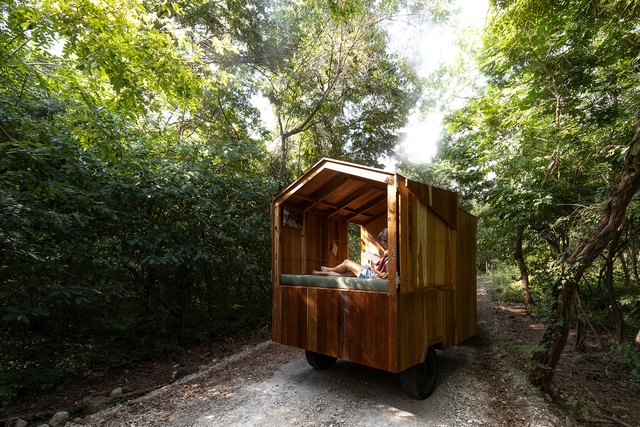
In the following article, Cuqui Rodríguez discusses the installations "La Puta Carra Loca" and the "Archivo Vivo de las Luchas Sociales" (Living Archive of Social Struggles), designed by Al Borde Arquitectos and La Cabina de la Curiosidad, presenting architecture as a vehicle of resistance against hegemony.

When discussing bioclimatic architecture, the focus is primarily on practices that reduce energy consumption and the environmental impact of buildings, both during construction—for example, by using materials with a low carbon footprint or incorporating responsible processes tailored to the site—and during their lifespan. This approach results in passive architecture designed to minimize long-term energy use. This is achieved—either by supplementing mechanical ventilation, heating, and cooling systems with passive methods, or by relying entirely on alternative systems—by adapting the design, geometry, and orientation to the topography, climate, natural vegetation, solar radiation, and prevailing winds of the site.
A week ago, we announced the 15 finalists for the ArchDaily en Español Obra del Año Award, which celebrates the best architecture in Latin America and Spain, inviting our readers to act as a jury and select their favorite projects from those published throughout the year. Today, the time has finally come to reveal the winners of the 2025 Obra del Año Award.
After two weeks of nominations in the 16th edition of the 2025 Building of the Year Awards, our community evaluated over one thousand projects to select the 15 finalists. This year's awards celebrate excellence in design, innovation, and sustainability across Latin America and Spain, highlighting an exceptional selection of projects on the shortlist. As a public-choice award, we are proud to say that their choices authentically reflect the current state of architecture, while the quality of this year's finalists further underscores the excellence and diversity present in the field.
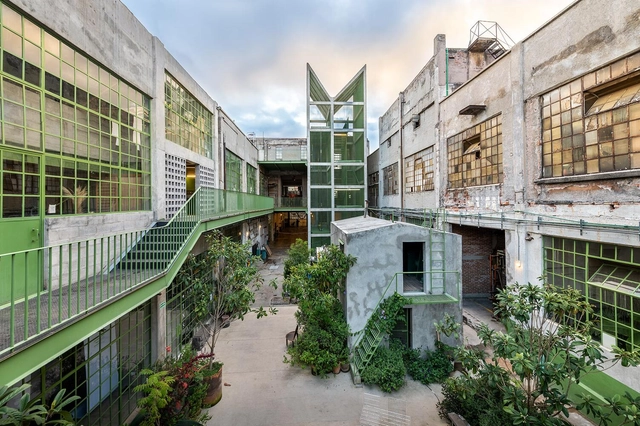
The internationally established Pan-American Architecture Biennial of Quito, BAQ2024, held its latest edition this past November 2024 in the historic center of the Ecuadorian capital. The event brought together experts in the architectural discipline from all over the world for dialogue and reflection on the future of our cities, architecture, and the contemporary urban landscape. Under the theme CONVERGENCES: landscape architectures, this latest edition offered a deep reflection on the role of architecture in transforming the urban landscape—a topic of particular relevance in times of environmental, urban, and social challenges.