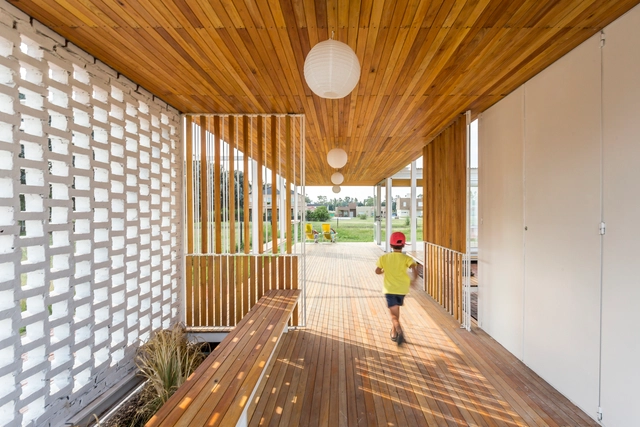
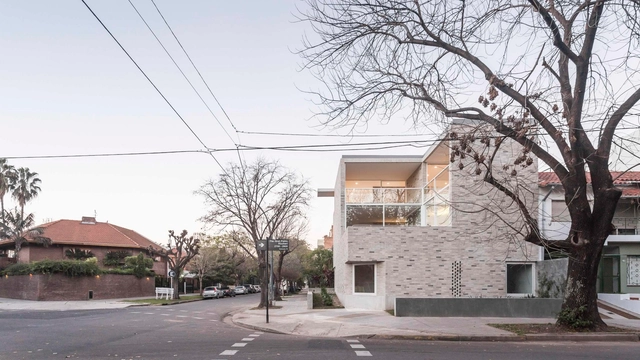
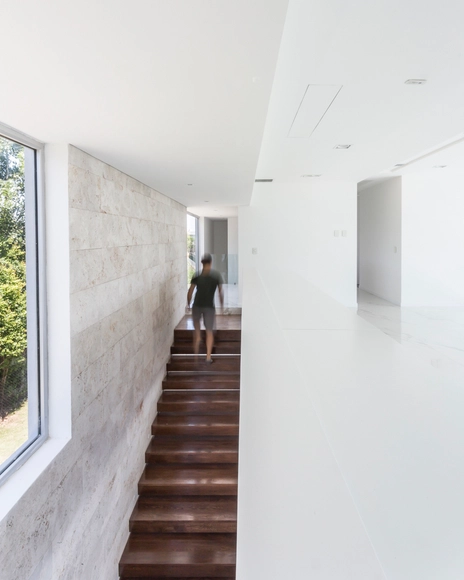
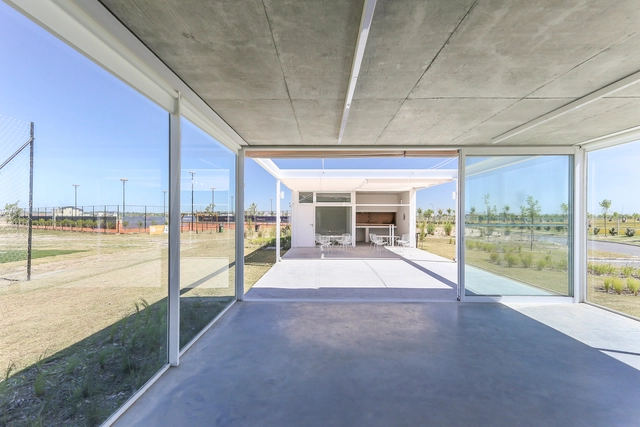
We are accustomed to seeing photographs in which architecture is recorded without any occupants, or perhaps captured only with models who give scale to the spaces shown. However, in recent years architectural photographers have increasingly decided to humanize the houses they document, presenting not only their architecture, but also those who inhabit these buildings. In this week's best photos, we present a selection of 15 houses captured by renowned photographers such as Luc Roymans, Adrien Williams and Fernando Schapochnik.
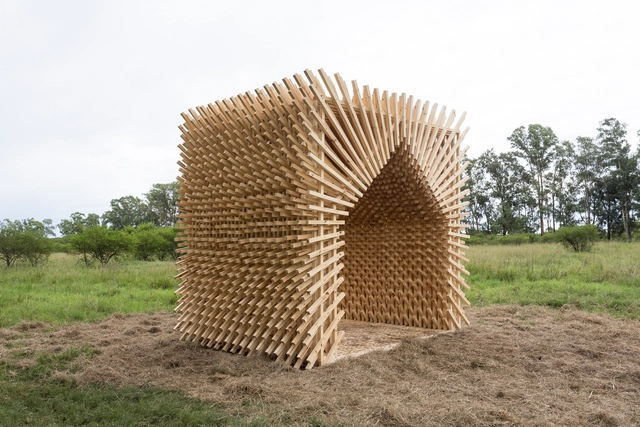
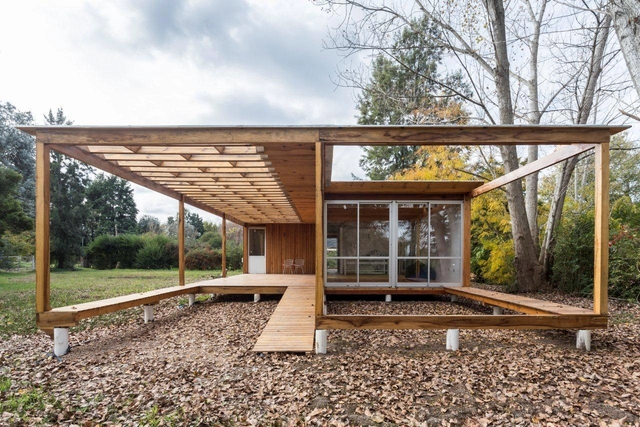
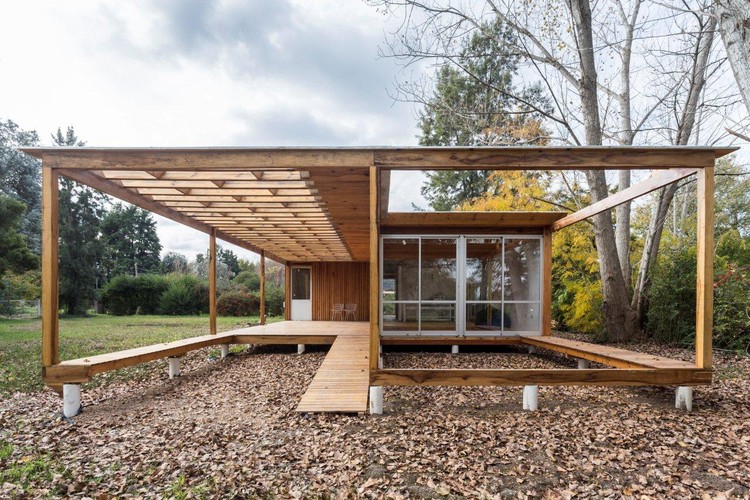
For the past seven years, Hungary-based Hello Wood has been gathering participants from across the globe for its summer camps to engage in a week-long curriculum about creating spaces, networks, and knowledge. However, this year the event has expanded its borders even further; organized with partners MANDARINA and TACADI, Hello Wood Argentina was the first local Hello Wood summer camp, drawing a group of 150 students, architects, and designers. Hello Wood focuses on socially-engaged concepts and turning architectural theory into practice with collaborative week-long design-build projects. As a complement to traditional university education, students get the chance to work and learn alongside famous international architects to bring their concepts to life.
The theme of Hello WoodArgentina’s first summer camp was "Con-Tacto" (Contact), located in Ceibas, Entre Ríos. Curator Jaime Grinberg selected applicants with strong concepts to generate spaces that encouraged connection, whether traditional, functional, utopian, or idealized. Concepts also needed to be simple, natural, and feasible for a team of students to produce in a week. Hello Wood’s educational platform focuses on achieving social benefits and improving the quality of life through architecture and design. See below for photos of the projects built at Hello Wood Argentina.
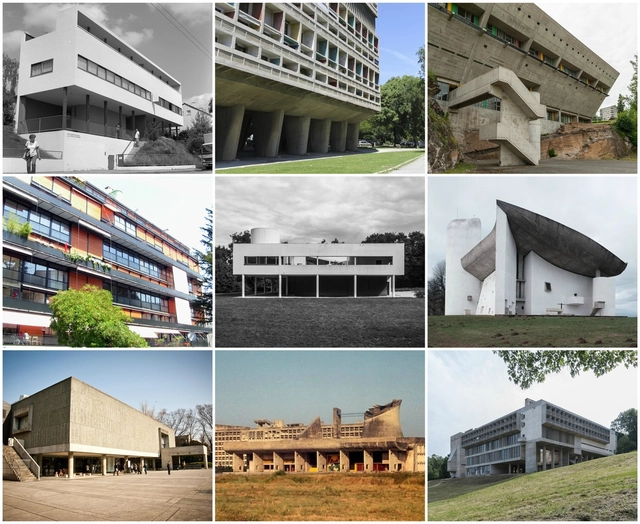
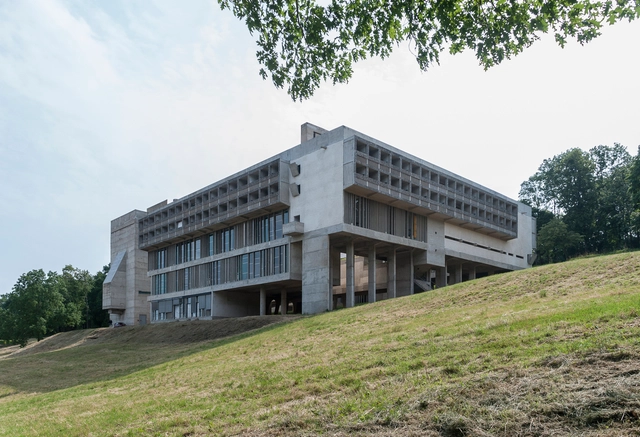
The UN Education, Scientific and Cultural Organization (commonly referred to as UNESCO) has named 17 projects in 7 countries by revolutionary Modernist architect Le Corbusier to their list of World Heritage Sites. Given to places of special cultural or physical significance, the designation will help to protect and preserve the buildings for future generations. Citing Le Corbusier’s inventive architectural language, UNESCO praised the collection of projects for “[reflecting] the solutions that the Modern Movement sought to apply during the 20th century to the challenges of inventing new architectural techniques to respond to the needs of society.”
“The inscription on the World Heritage List of 17 buildings of sites by Le Corbusier represents a strong encouragement to continue all along Le Corbusier's built work to maintain this living heritage and to hand it down to future generations,” said Fondation Le Corbusier President Antoine Picon in a statement. “It also contributes to the understanding of that complex and fragile legacy and helps its dissemination to the widest audience.”
Continue after the break for the full list of projects and images.