


-
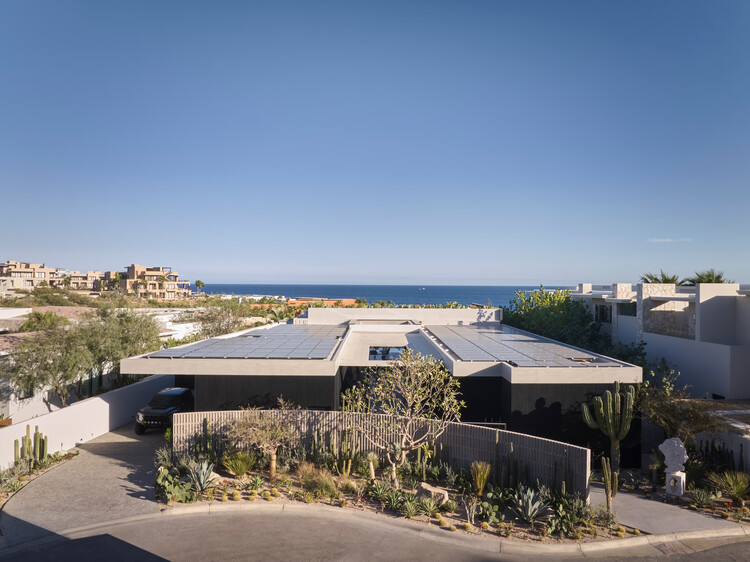
Architects: Ezequiel Farca Studio
- Area: 1110 m²
- Year: 2024
-
Manufacturers: Dornbracht, Cemex, Piacere, Sunbrella
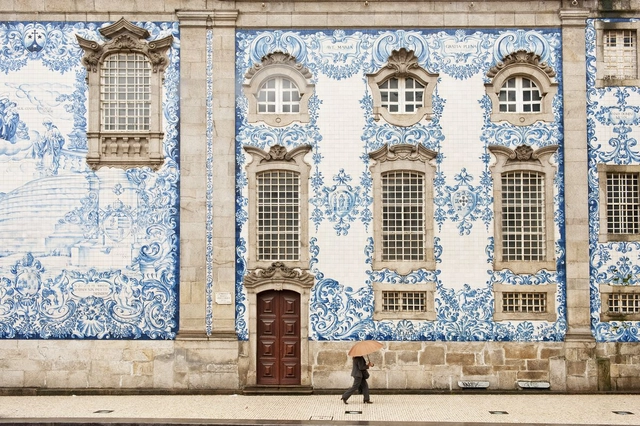
Historically, architecture has served as a canvas for artistic expression. Building elements have been adorned with relief-carved garlands, inscriptions, fresco murals, portrait busts, and classicizing figurative sculptures, all of which emphasize the unique and intentional nature of each component. However, the industrialization of the 19th century brought about a shift in ideals, that stripped architectural components of their decorative elements. Instead, it preferenced the search for beauty in standardization and the economic accessibility provided by mass-produced building elements.
But is there room for artistry within mass production? Can artists be involved in the industrial-making processes of building elements? And how can new technology facilitate artistic mass customization of building components? These questions prompt us to consider the potential for expression, communication, and reflection in the craft of building elements in both interior and exterior spaces.
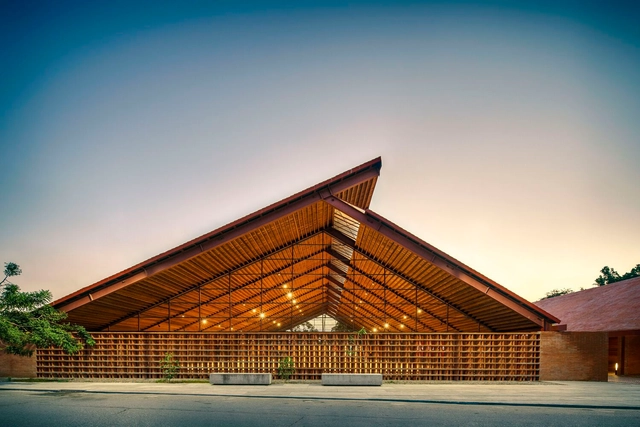
The relationship between architecture and music has existed throughout history and can be observed in various aspects. The way architectural spaces are designed can affect the sound quality and auditory experience of a musical piece. The acoustics of a place, determined by its shape, size, and materials used in its construction, can influence how sounds and music are perceived. That's why architecture plays an essential role in the design of auditoriums and concert halls. The aspects to consider include space distribution, seat placement, the shape of the venue, and acoustics to ensure an optimal sonic experience.

Mexico City is undoubtedly one of the most exciting and effervescent cities on the cultural and architectural scene in recent decades. Various authors have positioned it inside and outside the country through projects that make up a meeting platform for the creative community. LAGO/ALGO is part of the list of those resilient spaces that emerged from the pandemic, with the need to reimagine our current context by rethinking how we relate to the public and private space having the iconic Chapultepec Forest as a stage, an 810-hectare urban park that is divided into four sections which harbor some of the most important tourist sites in Mexico.
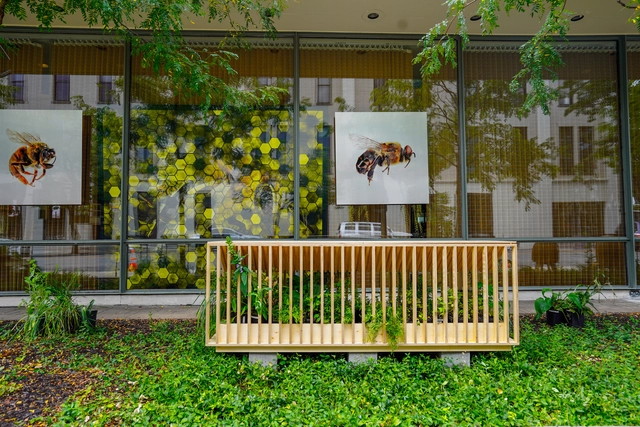
As part of an initiative by PienZa Sostenible, a group of architects comprising Alberto Kalach, Rozana Montiel, Tatiana Bilbao, and Manuel Cervantes joined forces with the design firm Pirwi to create a series of structures designed as bee habitats, thereby promoting population growth, care, and conservation. This project is supported by the work of Betsy de la Vega, who incorporates an interpretation of hand-woven textiles made by artisans from the León XIII Foundation, serving as a bridge connecting handmade craft with design requirements.




.jpg?1567436365&format=webp&width=230&height=230&crop=true)
.jpg?1567437604&format=webp&width=230&height=230&crop=true)


