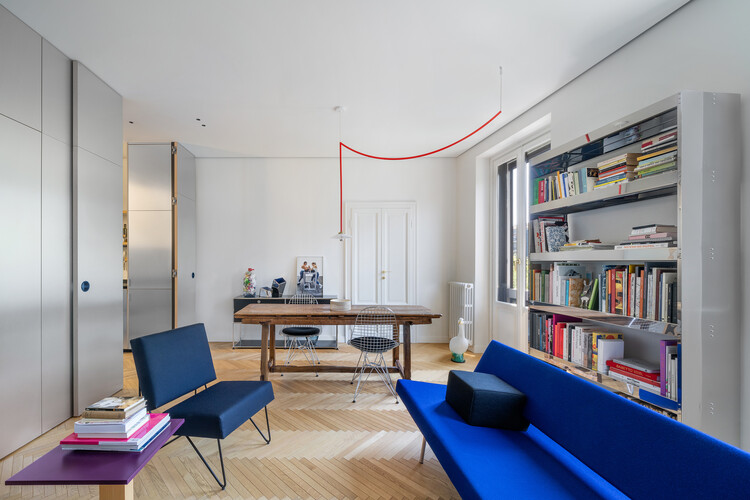
-
Architects: depaolidefranceschibaldan architetti
- Area: 80 m²
-
Manufacturers: Artemide, Moorman, Muller van Severen, NM3, Spectrum, +2
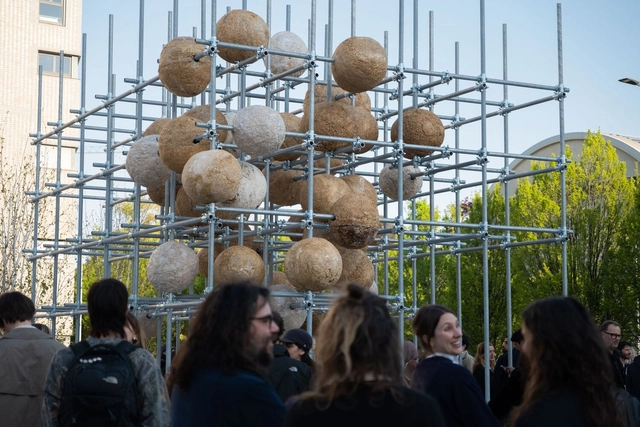
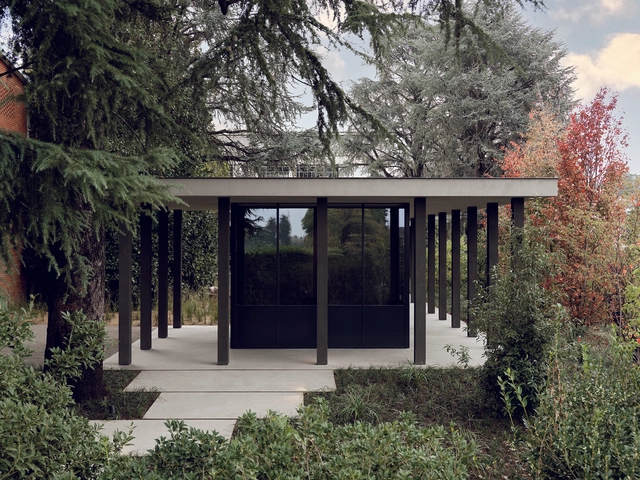
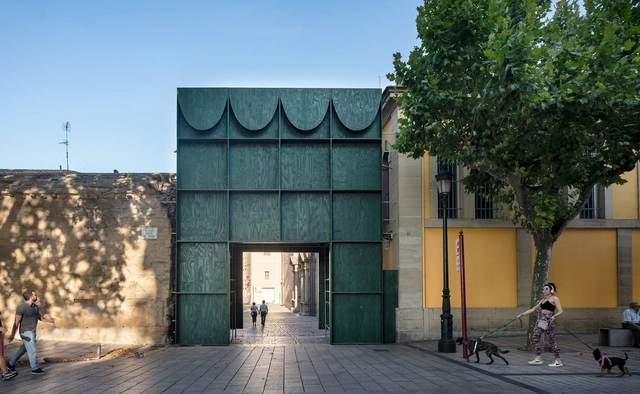
After two years of disrupted cycles of architecture events, due to the pandemic, 2022 has been witnessing a resurgence: biennials, triennials, design weeks, and festivals are back in the picture, with bigger interrogations and larger thematic approaches, aligned with the challenges of the world.
Relevant today more than ever, these happenings scattered around the globe are tackling climate-related issues, urban problems, as well as concerns engendered by covid-19 such as resilience, models of living, future of design, and the unknown.

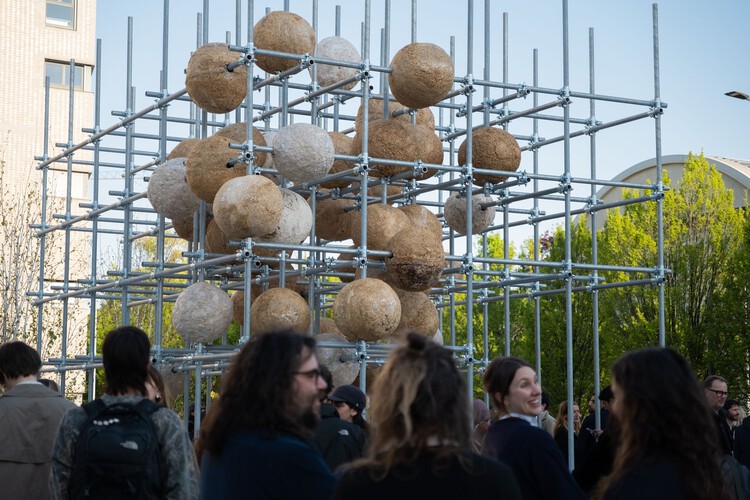
The 23rd Triennale Milano International Exhibition has officially opened its doors to the public today. Titled Unknown Unknowns. An Introduction to Mysteries, the Triennale is displaying a selection of artwork and installations designed by 400 international architects and designers, questioning "what we don’t know we don’t know". Celebrating 100 years since its foundation, this year's exhibition presents a new way of looking at the mysteries of the world, seeing it as an opportunity to investigate subjects such as the furthest universe to dark matter and the origin of our conscience.
The 2021 Venice Architecture Biennale finally opened its doors to the public, on May 22nd, despite all odds and after two postponements. Presenting 115 different responses to “How will we live together”, the architectural exhibition gathered innovative answers from across the globe, all arising from a common determination to change the status quo. Bringing people who face the same issues together to partake in a vital exchange of ideas, the 17th edition has amplified the role and status of the Biennale as the biggest platform for architecture.
Onsite, in Venice, ArchDaily had the chance to meet with curator Hashim Sarkis, to discuss once more the ever-growing relevance of the biennale, different overlapping scales and fields, recurring qualities, and the international language of architecture. Hoping that “people will walk out of the biennale with a stronger belief in architecture as being a medium that can make a difference”, Sarkis in his third interview talks of a collective imaginary that can inspire new spatial contracts.