DISSING+WEITLING Architecture

BROWSE ALL FROM THIS PHOTOGRAPHER HERE

Guardian Invites Readers to Submit the Best City Ideas for World Cities Day

With the first ever World Cities Day taking place on Friday, the Guardian is partnering with UN Habitat for the Cities Day Challenge, a day-long competition where representatives of 36 cities around the world will present their best city ideas, with the winner being selected for an in-depth article in the Guardian. Judged by Ivan Harbour of Rogers Stirk Harbour + Partners, Toronto City Planner Jennifer Keesmaat; Anna Minton, Dan Hill, Usman Haque and Adam Greenfield, the Guardian will be live-tweeting the entire day.

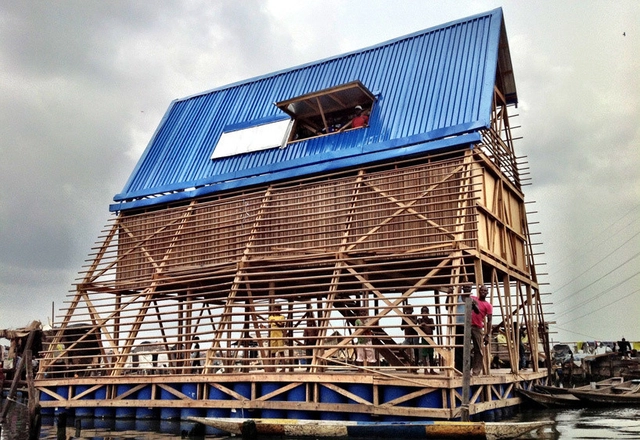
They are also reaching out to readers to "share your photos, videos and stories of something brilliant that your city does better than any other," some of which they will feature throughout the day. You can follow this link to contribute - or read on after the break as we take the opportunity to round up some of the biggest city ideas that have passed through the pages of ArchDaily.

Guardian Invites Readers to Submit the Best City Ideas for World Cities Day - Image 1 of 4Guardian Invites Readers to Submit the Best City Ideas for World Cities Day - Image 2 of 4Guardian Invites Readers to Submit the Best City Ideas for World Cities Day - Image 3 of 4Guardian Invites Readers to Submit the Best City Ideas for World Cities Day - Image 4 of 4Guardian Invites Readers to Submit the Best City Ideas for World Cities Day - More Images+ 7

How to Design Elevated Cycling Structures that Actually Work

Subscriber Access | 

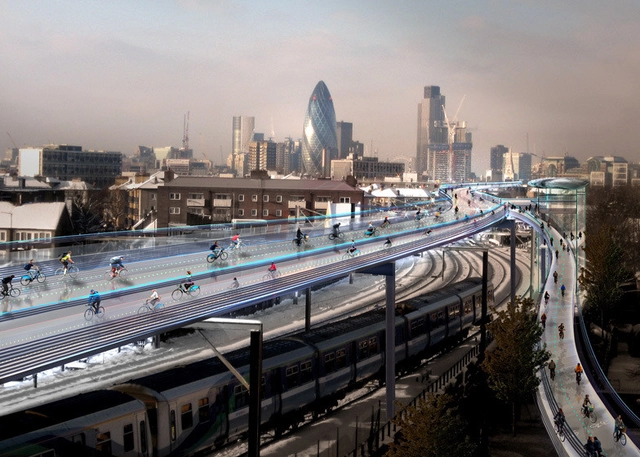
There's no doubt about it - cycling in cities is a big deal these days. But, while cycle lanes and bike-sharing schemes are all well and good for our cities, the cycling revolution hasn't yet brought us many examples of beautifully designed infrastructure to gawp at. This article, originally printed on The Dirt as "Do Elevated Cycletracks Solve Problems or Just Create More?" discusses two seemingly similar examples of high profile cycling infrastructure, examining why one is a success and the other a non-starter.

This year, two designs – one proposed and one built – for elevated cycletracks, which create bicycle highways above street level, have gained considerable media attention. They highlight questions at the heart of urban design: Should cities blend or separate transportation options? How can cities best mitigate the hazards created when cars, bikes, mass transit, and pedestrians mix? How can cities create low-cost transportation networks in increasingly dense urban cores?